The key facts
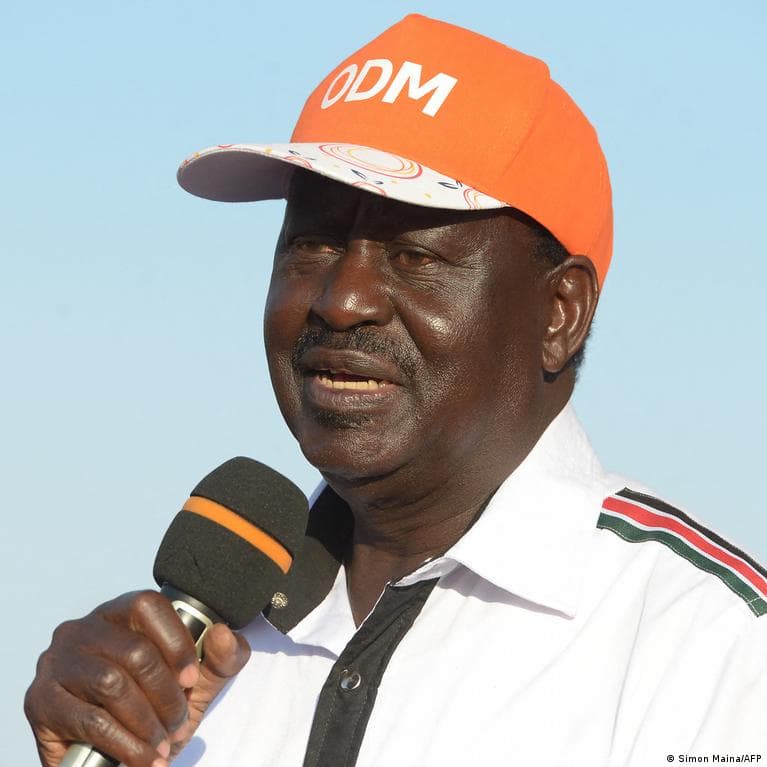
- Kenya marks the first anniversary of Raila Odinga's death, the former prime minister and ODM leader
- His 'handshakes' with Kibaki, Kenyatta and Ruto remain contested: critics, including Rigathi Gachagua, believe they weakened the opposition
- Winnie Odinga announced her candidacy for Nairobi senator in the 2027 elections
A Legacy That Sparks Debate
A year after the death of Raila Odinga, who served as prime minister of Kenya, the country remains divided in its assessment of his role. For many, he remains a symbol of the struggle for multiparty democracy and constitutional reform; others question his political alliances and what they meant for an independent opposition. As 20-year-old Nairobi resident Beatrice Chebet noted in a conversation with Deutsche Welle, she wants Odinga's legacy to 'live beyond the party': according to her, he strove for a Kenya founded on peace, democracy, constitutionalism and the rule of law.
A Path Through Struggle and Crises
Odinga's influence was shaped over decades of opposition politics, imprisonments and campaigns for democratic change. His role in the disputed 2007 presidential election was at the center of one of Kenya's most serious political crises: post-election violence claimed the lives of more than 1,100 people, and hundreds of thousands were forced to flee their homes. A power-sharing agreement, reached under the international mediation of former UN Secretary-General Kofi Annan, made Odinga prime minister in a coalition government with President Mwai Kibaki and launched a reform agenda, including constitutional reform. In 2010, Kenya adopted a new constitution with a devolved system of governance. Security and intelligence expert Byron Adera told DW that Odinga 'was an institution that shook institutions,' pushing for reforms for the good of the country.
'Handshakes' as a Subject of Criticism
One of the most controversial elements of Odinga's career was his policy of reconciliation: the 'handshakes' with Kibaki in 2008 and President Uhuru Kenyatta in 2018, as well as cooperation with President William Ruto in 2024. Supporters saw dialogue as a way to reduce tensions and advance national interests; critics asked what such arrangements meant for an independent opposition. Former vice president Rigathi Gachagua sharply criticized Ruto's rapprochement with Odinga: in May he called the 'handshake' process 'nonsense' and said it had undermined Kenyan democracy by weakening the opposition's ability to hold the government accountable.
The Future of the ODM Party
The debate over the legacy is especially acute within the Orange Democratic Movement (ODM), which Odinga founded and led for years. Edwin Sifuna, a potential presidential candidate in the 2027 elections, told DW that the party's identity and direction have fundamentally changed: 'We risk losing our core support — the people who believed in ODM's ideals, because we have always been a party of the people.' He added that Odinga's influence on national politics and public discourse is greatly missed. Meanwhile, seeking to keep Odinga's name in politics, his daughter Winnie Odinga announced that she will run for senator of Nairobi County in the 2027 elections.
A Test for Institutions and the New Generation
Chebet believes Odinga's legacy will be measured by whether future generations continue to defend the principles associated with his political path; Adera emphasizes the importance of institutional reforms and the ability to build bridges. These views reflect the central contradiction of the politician's legacy: a leader who expanded democratic possibilities, whose compromises remain contested. A year after his death, Odinga's influence is still evident in Kenya's political debates, divisions within parties, and public demands for democratic accountability. The main question is whether institutions, parties and the younger generation can carry these principles forward, and whether the democratic space that Odinga helped shape will endure without the man himself.


