The key facts
- Milburn's reform combines benefit cuts for some young people with a £5.8 billion a year rise in state employment support by 2036
- The claimed £13.8 billion saving over 10 years amounts to a net £200 million a year by 2036 after accounting for new spending
- The number of young health-related benefit claimants is rising: Pip claimants aged 16–24 have increased from 230,000 to 511,000 since 2020
The plan and its cost
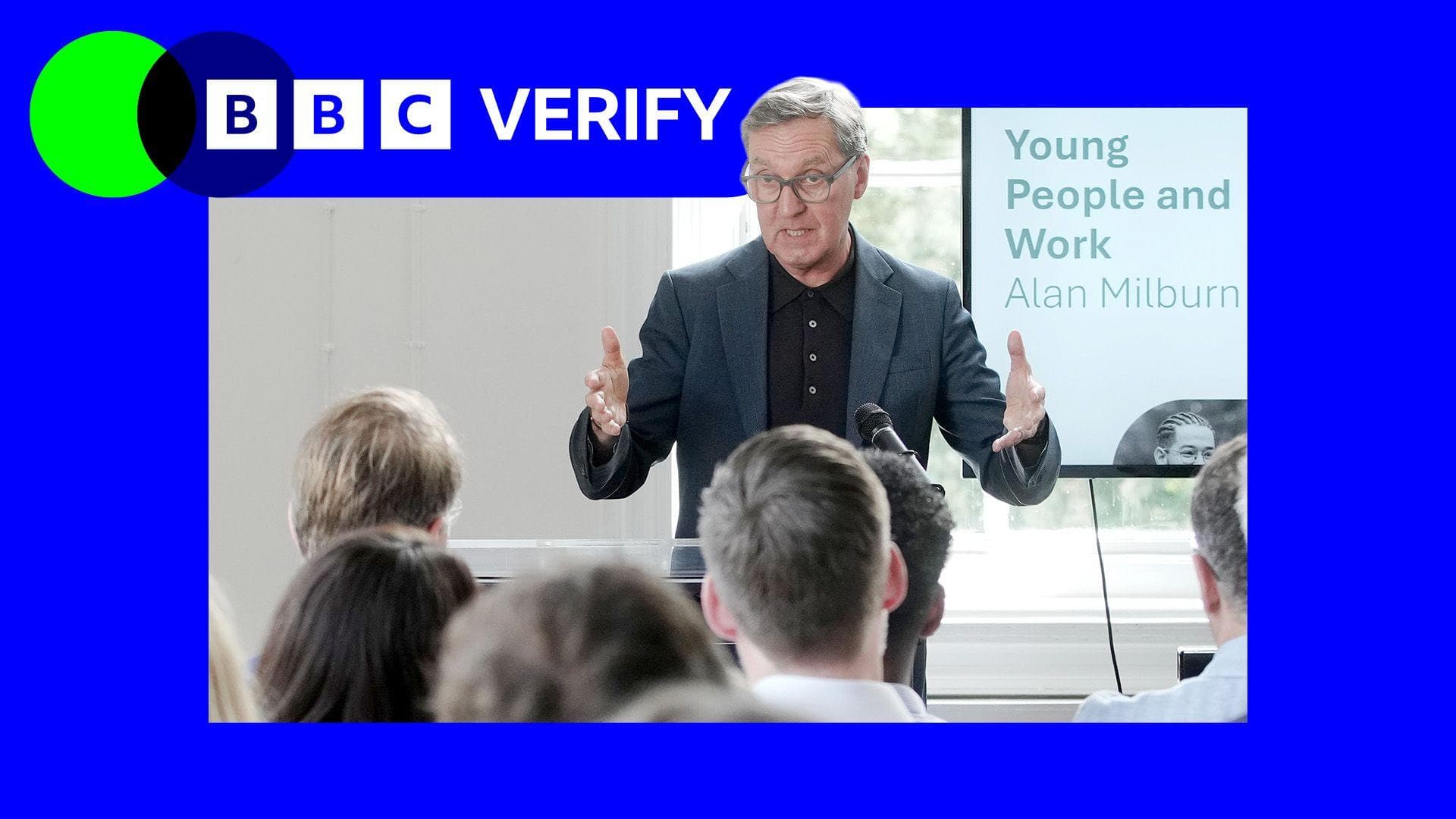
Alan Milburn's long-awaited plan to help young people who are not in education or work (Neets) sets out two interlinked measures: cutting benefits for part of this group and a substantial increase in government spending on employment. By 2036, an additional £5.8 billion a year is proposed for employment subsidies and mental health support, along with a new benefits system: a Youth Allowance replacing Universal Credit for under-25s and an Additional Cost Allowance replacing Pip payments.
Why the net savings are small
Milburn estimates the reform will reduce total benefit spending by £3.6 billion a year by 2036, with cumulative savings of £13.8 billion over a decade. To this is added £2.4 billion a year in extra tax revenue from higher employment. However, after deducting £5.8 billion in new annual spending, the net saving to the budget will be just £200 million a year by 2036 — around 1% of the current benefits budget. This figure is in today's prices and will be larger in nominal terms, depending on inflation.
The context of rising spending
The report estimates current spending on benefits directly for young people at roughly £8 billion a year: £4.6 billion on Universal Credit and £3.2 billion on Pip. According to the Department for Work and Pensions (DWP), the number of 16–24-year-olds in England and Wales receiving the health element of Universal Credit has risen from 105,000 in 2020 to 193,000 this year, while young Pip claimants have risen from 230,000 to 511,000; official forecasts suggest this figure will exceed 800,000 by 2037.
The scale of the overall system
The overall welfare system is forecast to cost £353 billion this year, with pension spending rising from £154 billion to £193 billion a year, and Pip and disability benefits from £40 billion to £57 billion. As a share of GDP the rise is more modest: from 11.1% this year to 11.3% by 2032 — below the peak of around 12% after the 2013 financial crisis. This has led some economists and researchers to question the claim that spending is 'out of control'. Milburn considers his diagnosis applicable to the whole of the UK, but education, health and local government are devolved to Scotland, Wales and Northern Ireland; he has called on devolved administrations to agree a 'common set of key outcomes'.
 Image source, BBC/PA