The key facts
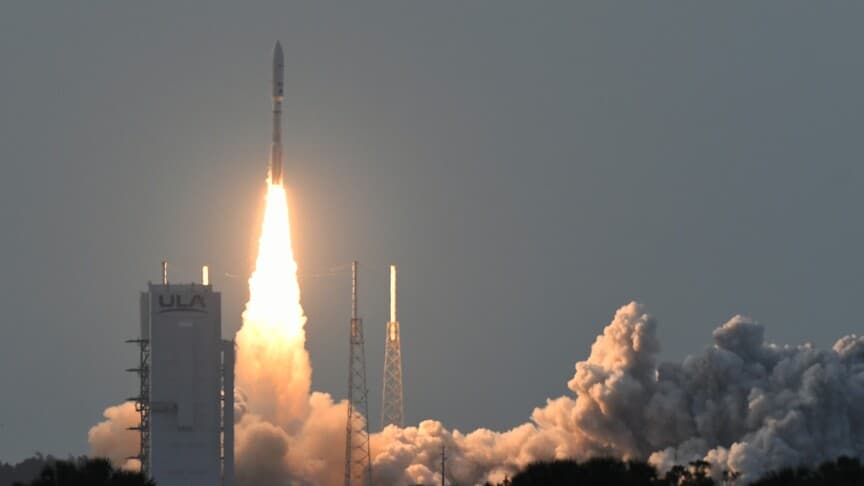
- Vulcan lifted off from SLC-41 at Cape Canaveral at 17:40 GMT, with the anomaly occurring around the 10th minute of flight
- 40 Amazon Leo satellites were not delivered to low Earth orbit
- ULA has no data on the causes; no timeline for return to flight has been given
Launch ended in loss of payload
The American company United Launch Alliance (ULA) reported that its heavy-lift Vulcan rocket failed to place 40 Amazon Leo broadband satellites into orbit. The launch took place at 17:40 GMT from Space Launch Complex 41 at Cape Canaveral Space Force Station in Florida. The rocket lifted off from the launch tower, but an anomaly occurred at approximately the 10th minute of flight. According to information obtained by the launch director, the payload was not delivered to low Earth orbit, where the satellites were supposed to arrive to expand Amazon's broadband constellation of the same name.
Causes unknown, company promises transparency
“Today we did not meet that standard,” ULA stated, referring to its criterion of mission success. The company, founded in 2006 as a joint venture between Lockheed Martin Space and Boeing Defense, Space & Security, acknowledged that it does not yet have technical details: “Since the anomaly just occurred, we do not yet have specific data to understand what happened today.” ULA promised full transparency and said it stands ready to work with Amazon and the relevant authorities to determine the root cause, implement corrective measures, and resume launches as soon as possible.
Amazon's reaction and mission status
Amazon Leo confirmed the failure but expressed confidence in its launch provider, noting that risk accompanies any spaceflight, especially in debut missions such as LV-01. “ULA has been a reliable partner for Amazon, and we believe they will learn from this mission and fulfill their long-term plans for Vulcan,” the company said in a statement. This flight was Vulcan's first launch in nine months. The exact technical cause of the failure and a revised schedule for the rocket's return to flight have not yet been disclosed.