The key facts
- The IFC positions Istanbul as a sustainable finance hub for Europe, Central Asia, the Middle East and North Africa against the backdrop of COP31
- Turkey has launched a pilot emissions trading system (ETS) and green taxonomy regulation
- Financial investors are promised 100% tax incentives on exports of financial services until 2047 and a 20-year exemption from fees for financial activities
Istanbul vies for the role of a climate finance center
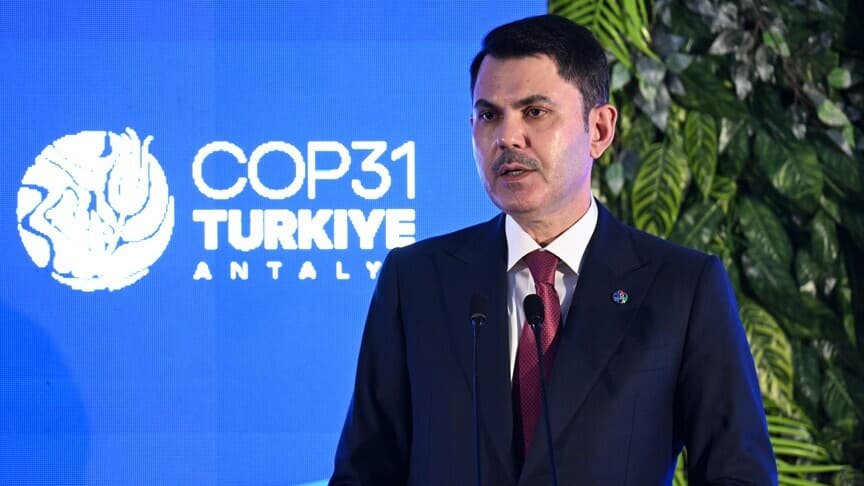
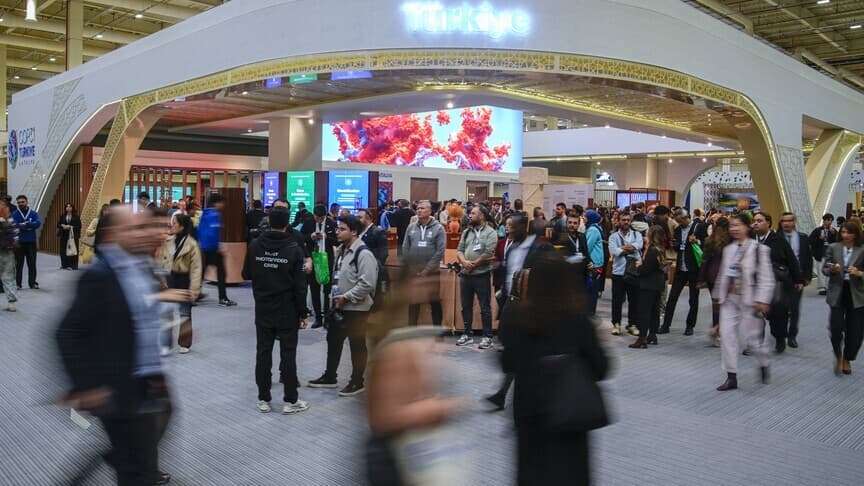
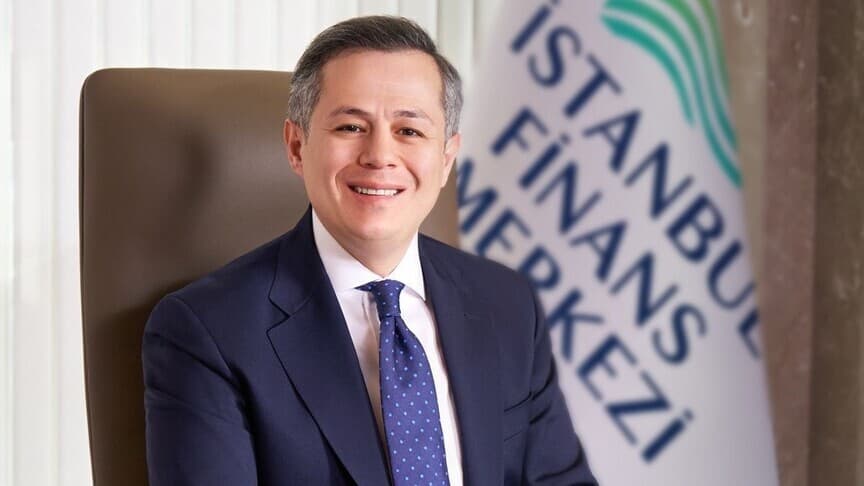
The Istanbul Finance Center (IFC) is working to turn the metropolis into a leading sustainable finance hub for Europe, Central Asia, the Middle East and North Africa. The main argument cited is Turkey's role as host country of the 31st UN Climate Change Conference (COP31), which IFC head Ahmet Ihsan Erdem called a significant global platform for demonstrating the country's investment readiness and green industry potential.
What has already been done and what has been promised to investors
According to Erdem, the launch of a pilot emissions trading system (ETS) and the introduction of green taxonomy regulation have cemented the low-carbon transition as a priority for Ankara. The IFC aims to connect Turkey's emerging green finance ecosystem with global institutions and investors; among its medium-term goals is the creation of an IFC Green Finance Academy to train sustainable development specialists.
Incentives and the geographic argument
Investors are offered competitive incentives: 100% tax incentives on exports of financial services until 2047 and a 20-year exemption from fees for financial activities to ensure long-term predictability. Erdem emphasized that global investors operating from Istanbul, within a four-hour flight radius, gain access to a market worth 30 trillion dollars and a population of 1.3 billion people. Looking ahead, the IFC plans to develop ESG benchmarks, regional sustainability indices and carbon credit markets to strengthen Istanbul's position in the global financial system.