
The key facts
- Japarov stated that certain political forces are discussing inciting ethnic hatred in order to derail the election on January 27, 2027
- The president linked these plans to the China — Kyrgyzstan — Uzbekistan railway project
- No specific evidence or names of organizers were given
What the president said
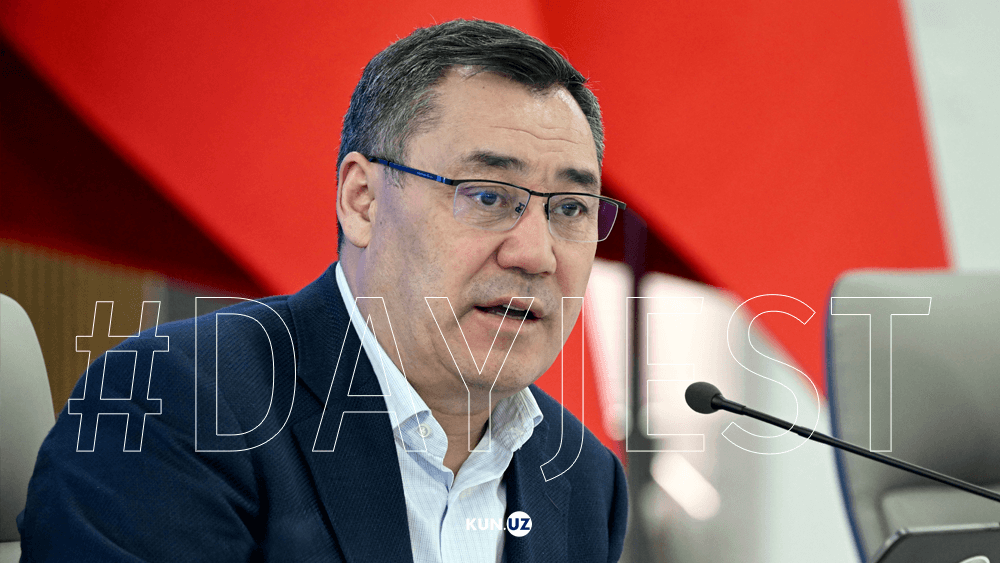
On November 12, in an address to citizens, President of Kyrgyzstan Sadyr Japarov said he had received information about plans to provoke a conflict between Kyrgyz and Uzbeks in the south of the country. According to him, certain political forces are discussing the possibility of inciting ethnic hatred in order to trigger mass unrest and derail the presidential election scheduled for January 27, 2027. “So far they are only talking about it. However, there is a possibility that these provocative plans could be carried out,” Kun.uz quoted from his address.
Link to the railway and the absence of evidence
Japarov linked the alleged plans to the construction of the China — Kyrgyzstan — Uzbekistan railway: in his view, since attempts to organize protests on the China theme failed, these forces may now try to set Kyrgyz and Uzbeks against each other. At the same time, the president did not name who stands behind the plans and provided no specific evidence. He also emphasized that the state has enough forces to suppress any conflict within one or two days, but that “casualties in such a case are inevitable,” and noted that law enforcement agencies can detect unlawful actions through tens of thousands of surveillance cameras across the country.
Appeal to the memory of the tragedies and the reaction
The president recalled the tragedies of the 1990s and 2010, when both Kyrgyz and Uzbeks died in interethnic clashes. He called on citizens, regardless of nationality, not to give in to provocations, and urged the older generation to explain to young people, who did not witness those events, their consequences. After the address, Melis Myrzakmatov, former mayor of Osh in 2010, also called on citizens to remain vigilant: in his view, a major interethnic conflict cannot be organized without outside help, such attempts remain local, and law enforcement structures are capable of suppressing them in time.