The key facts
- On 10 November 2026, the European Court of Auditors published a special report on the effectiveness of sanctions against Russia
- The sanctions have noticeably reduced the volume of EU–Russia trade and restricted direct supplies of goods that could be used in Russia's defence industry
- Part of the trade ties persists, and sanctions circumvention remains a serious problem due to unclear rules and their uneven application across EU countries
Findings of the EU auditors
On 10 November 2026, the European Court of Auditors (ECA) published a special report, in which it concluded that the EU's trade sanctions against Russia, due to legal uncertainties and differing application across member states, are not working at their full potential. According to the auditors' assessment, the sanctions and anti-circumvention measures have nevertheless noticeably reduced the volume of trade between the EU and Russia, and the possibilities for direct supplies of goods that could be used in Russia's defence industry are limited. At the same time, part of the trade ties persists, and attempts to circumvent the sanctions remain a serious problem.
Where the auditors see the problem
The report stresses that EU sanctions and customs legislation contains vague rules open to different interpretations, and the competent authorities of the member states apply them in different ways. This gives companies the opportunity to conduct trade operations through countries with relatively weak controls — a practice known in legal circles as 'forum shopping', that is, choosing the most convenient jurisdiction with soft legislation and oversight. According to the report, individual companies can organise the movement of goods through EU countries where sanctions requirements are monitored less strictly.
The ECA's position
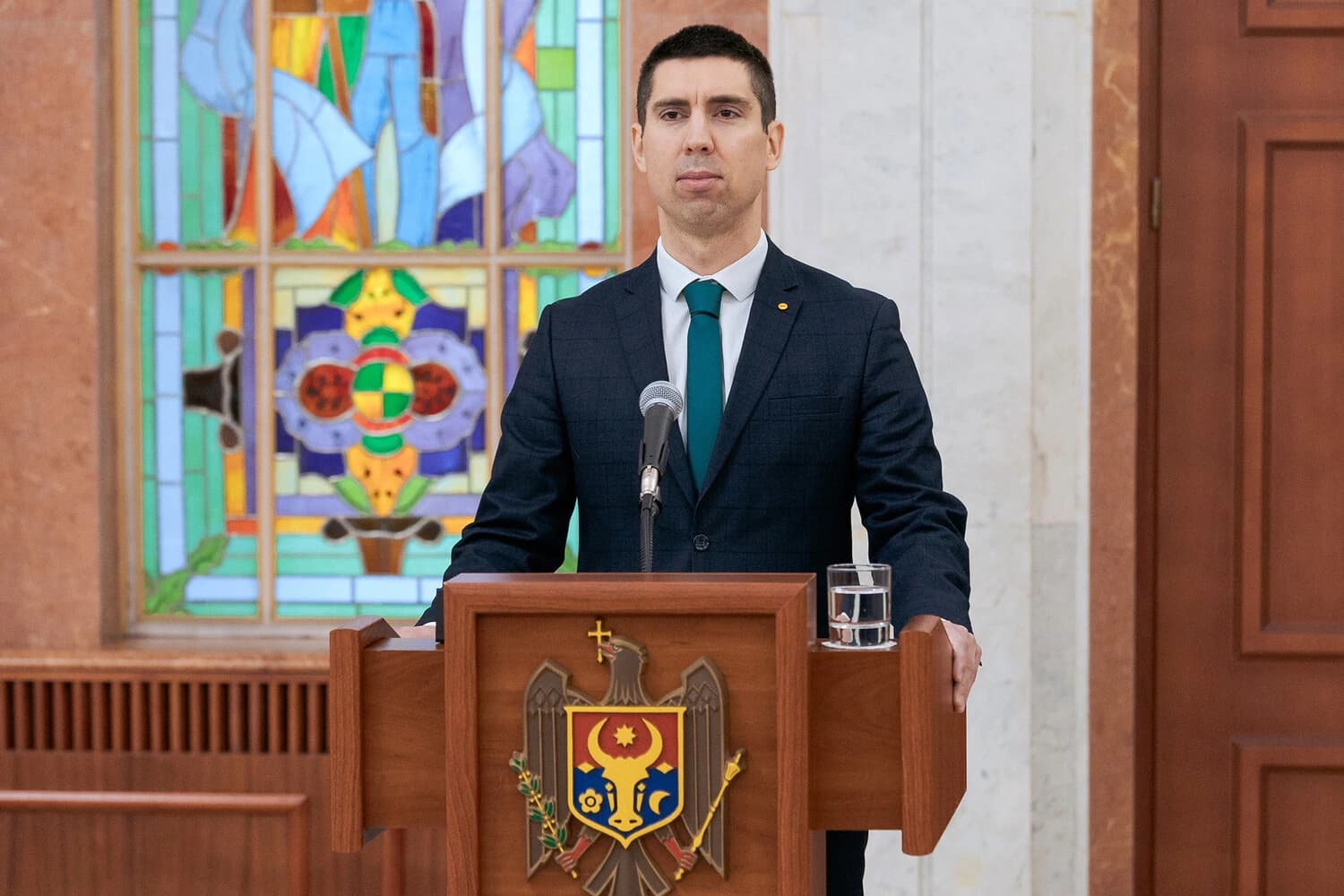
'Vague rules and shortcomings in the practical application of the legislation reduce the effectiveness of the sanctions and make it easier to circumvent them,' said Mikails Kozlovs, the member of the European Court of Auditors responsible for preparing the report. In his words, restrictive measures can fully achieve their goals only if they are applied uniformly and in a coordinated manner across all countries of the European Union.
What remains unclear
The auditors' report identifies problems but does not automatically mean a change in sanctions policy: the ECA's conclusions are advisory in nature, and the available material does not disclose the auditors' specific recommendations or the reaction of the EU institutions. It is also unknown which member states are mentioned as channels with weakened controls — the report describes the problem in general terms.