The key facts
- Talks in Abu Dhabi will take place on November 10–11 — the first round in nine months with US mediation.
- Ukraine is again led by Foreign Intelligence Service head Rustem Umerov; the delegation's lineup has barely changed.
- Russia has for the first time sent Deputy Foreign Minister Sergey Ryabkov, who oversees relations with the US and arms control.
The first round in nine months
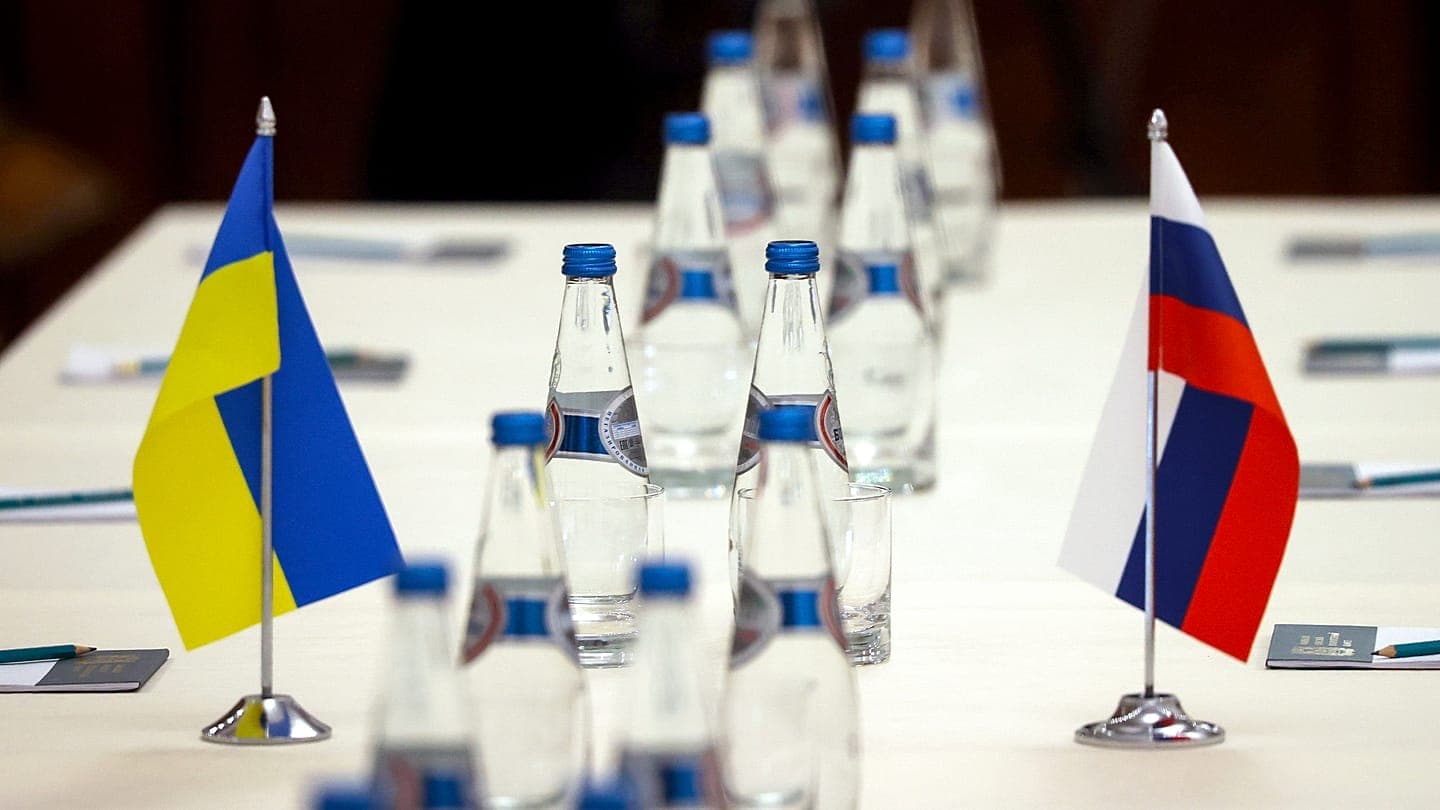
New talks between Ukraine and Russia will take place in Abu Dhabi on November 10–11 — the first round mediated by the United States in nine months, Euronews reports. According to the outlet, the composition of the delegations offers hints about the parties' intentions: Kyiv is betting on continuity and a ceasefire regime, while Moscow has brought a broader team of diplomats and military officials.
The Ukrainian delegation: the same team
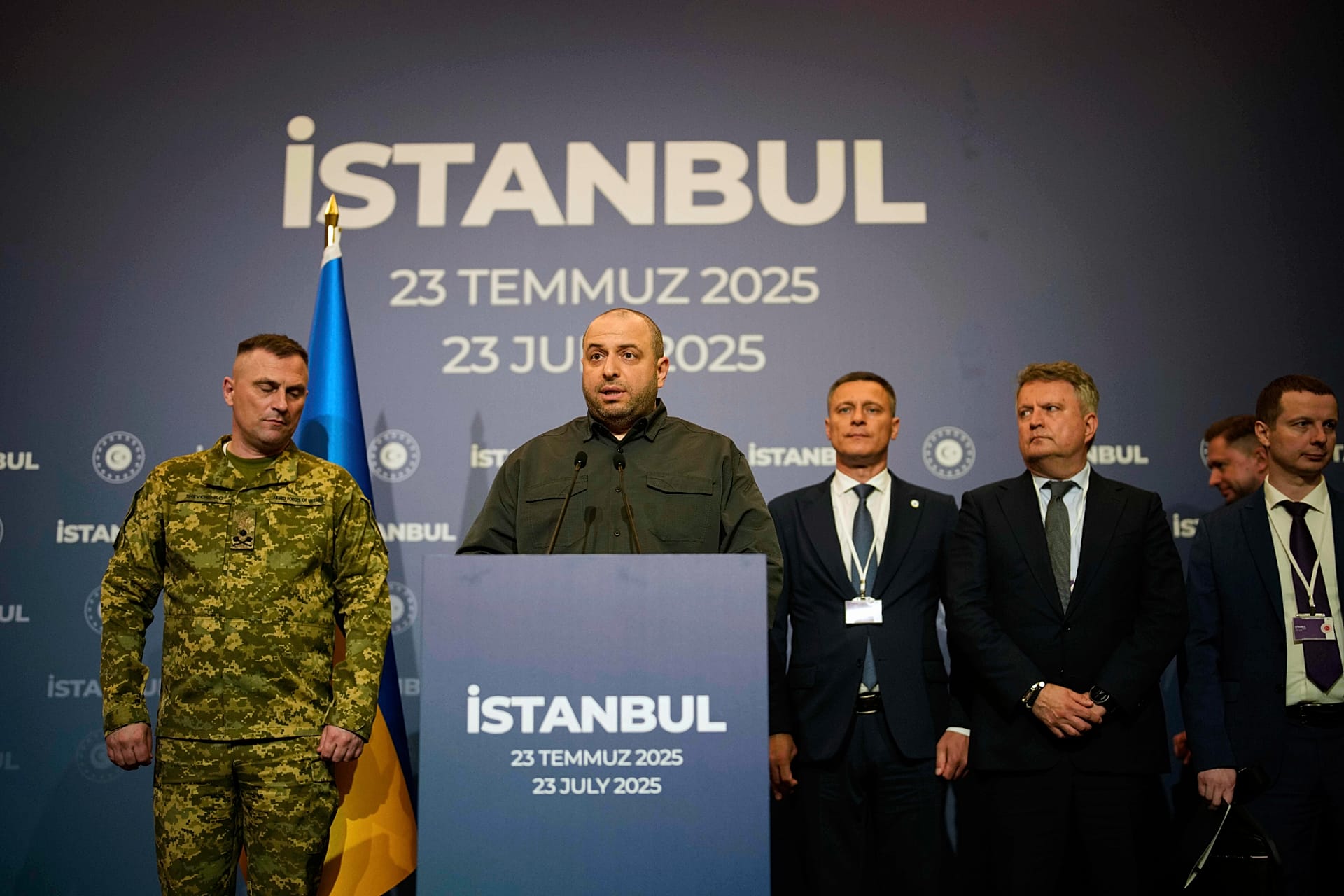
Ukraine is once again led by the head of the Foreign Intelligence Service, Rustem Umerov, who played a central role in previous rounds. The delegation also includes the head of Volodymyr Zelensky's office, Kyrylo Budanov, the leader of the Servant of the People faction, David Arakhamia, and the first deputy head of the presidential office, Serhiy Kyslytsia — all four took part in earlier rounds. According to Euronews, the unchanged team indicates that Kyiv intends to keep its previous approach: seeking a ceasefire as a first step toward a broader agreement and guarantees against a resumption of aggression, without revising its position. The outlet also notes Arakhamia's recent visit to Washington for a meeting at the White House held on Thursday after a humanitarian pause in the occupied Oleshky.
The Russian delegation: Medinsky and a new face
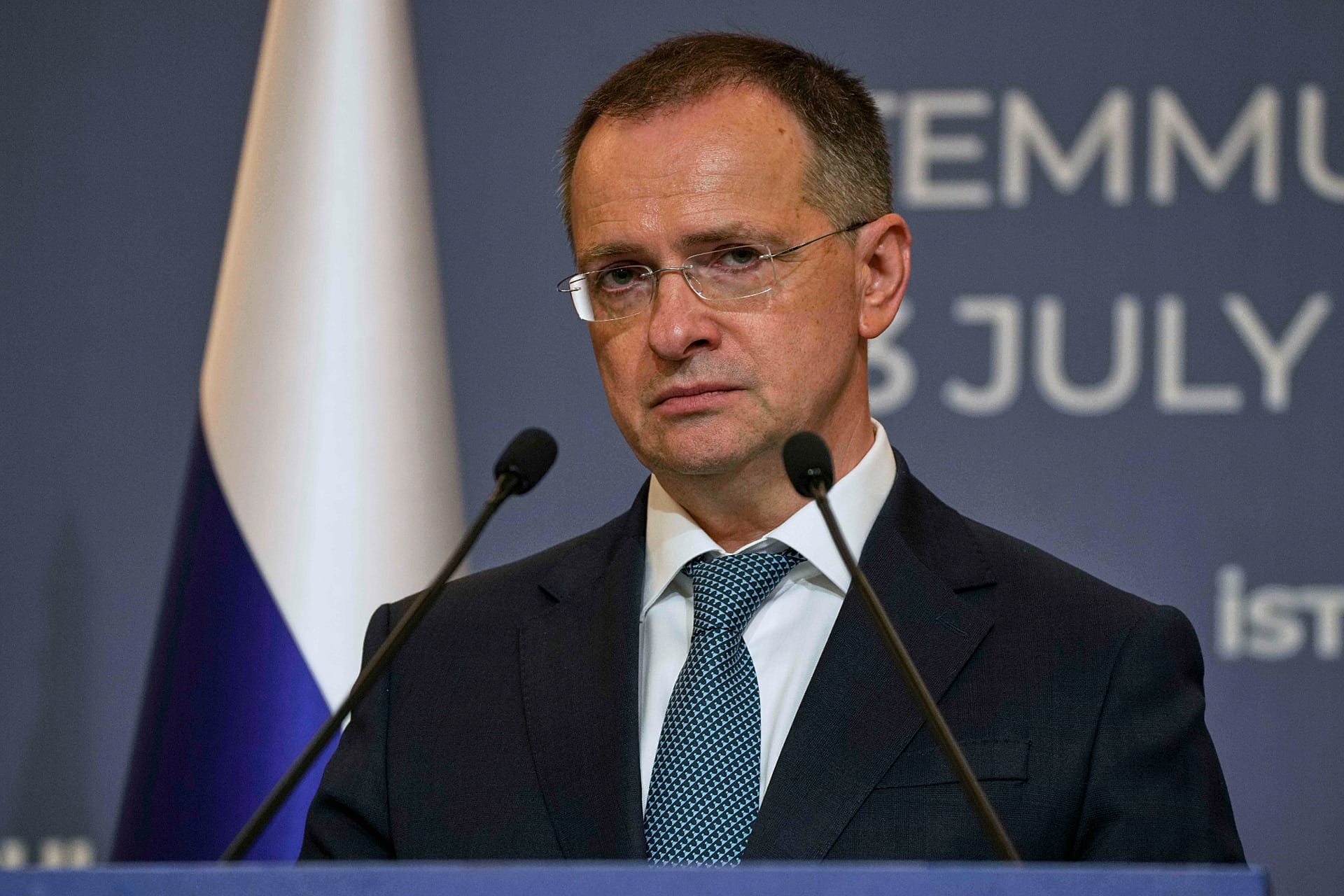
The Russian delegation is again led by presidential aide Vladimir Medinsky, who represented Moscow in previous talks. The key difference is the participation of Deputy Foreign Minister Sergey Ryabkov, who is joining the Ukraine talks for the first time. Ryabkov oversees relations with the United States, arms control and non-proliferation; he took part in drafting Russia's demands to Washington and NATO in December 2021, including halting the alliance's expansion, limits on NATO's military presence in Eastern Europe, and restrictions on exercises and missile deployments. Euronews also notes that the delegation includes Yuri Zhigarovsky, deputy head of the Main Operational Directorate of the General Staff, which is responsible for military planning; the delegation met with Vladimir Putin on Friday at a Security Council session partly devoted to preparing for the talks.
What may be on the table
The Institute for the Study of War (ISW) suggested that Moscow may use Ryabkov's expertise to undermine Kyiv's efforts to obtain postwar security guarantees; analysts also pointed to the negotiating records of Medinsky and Deputy Foreign Minister Mikhail Galuzin, who previously insisted on addressing the 'root causes' of the war, and concluded that there are doubts about the Kremlin's readiness for substantive talks. Ryabkov's participation came days after Donald Trump met with Russian envoy Kirill Dmitriev at the White House on Thursday, where the US president said: 'There will be an agreement. It will be a big agreement, and it will affect more than Ukraine,' adding that it could cover all of Europe. Neither Washington nor Moscow has clarified whether broader NATO security issues will be on the agenda, and it remains unclear whether Moscow is ready to make concessions on its long-standing demands.