The key facts
- The new GOST for bus stops has been in effect since November 10, 2026, but it does not establish a mechanism for evicting 'undesirable' visitors as standards are applied voluntarily.
- The lawful solution is to call the police via 102 or 112, or use an emergency button if installed at the stop.
- Fines of 500–1500 rubles apply for drinking alcohol in public or appearing intoxicated in public; hooliganism can lead to arrest for up to 15 days.
What changed on November 10 and what did not
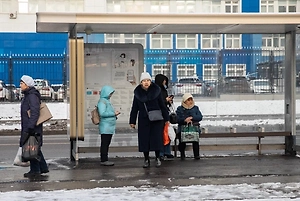
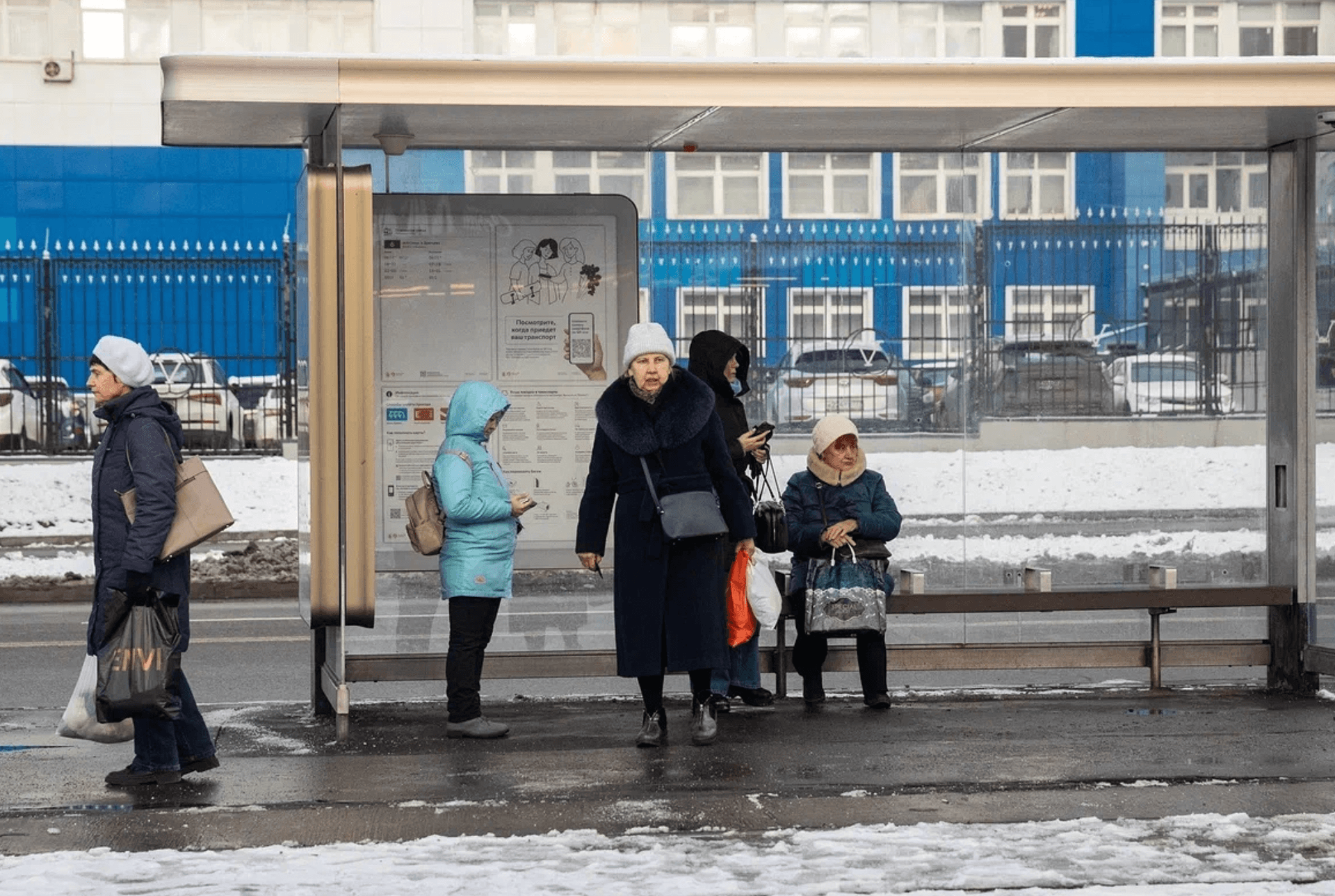
Since November 10, 2026 a new GOST for bus stops came into force in Russia, which, as Life.ru previously reported in detail, sets requirements for safety, passenger comfort, and modern infrastructure elements such as lighting, surveillance cameras, and other conveniences. However, the introduction of the new standard does not change the rules regarding people's presence in the shelter: it does not create a separate mechanism for 'evicting' undesirable visitors. Angelina Bakanova, a lawyer from the law firm 'Mikhaltchik and Partners YK' Angelina Bakanova reminded in a comment to Life.ru that national standards are generally applied voluntarily unless legislation stipulates otherwise.
When police intervention is lawful
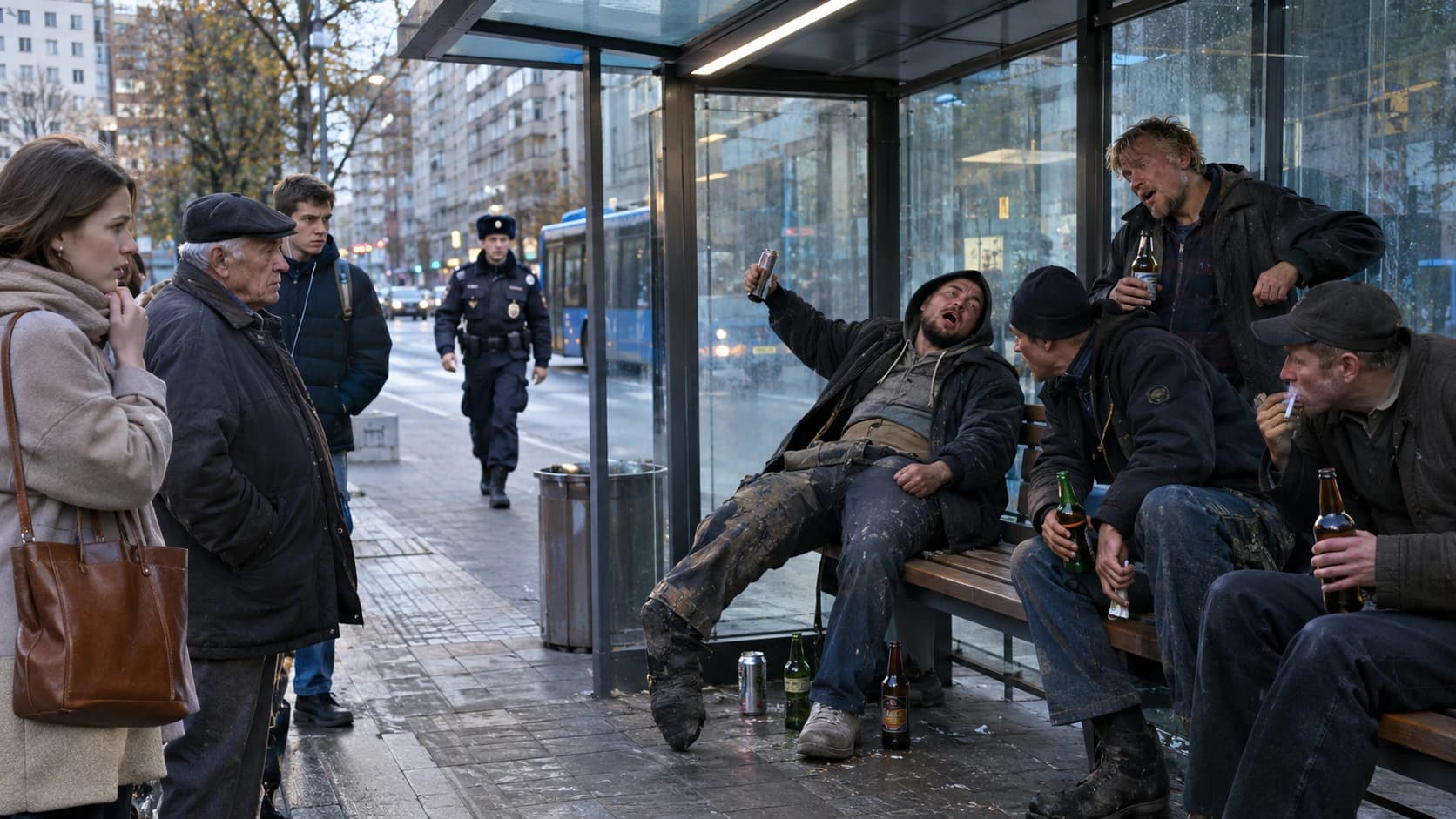
According to Bakanova, neither passengers nor municipal service employees have the right to independently decide who is allowed to be at the stop. 'Russian legislation contains no provision allowing a person to be held accountable merely for being in a public place, including a bus stop, due to a 'marginal appearance' or lack of a fixed residence. Homeless citizens of the Russian Federation possess the same constitutional rights to freedom of movement and rest as everyone else,' the lawyer emphasized. Grounds for intervention are not a person's appearance but specific unlawful acts: drinking alcohol in prohibited places (Article 20.20 of the Code of Administrative Offenses of the Russian Federation, fine of 500–1500 rubles), appearing in a public place in a state of intoxication offensive to public morality (Article 20.21 of the Code of Administrative Offenses of the Russian Federation, fine of 500–1500 rubles or arrest for up to 15 days), as well as petty hooliganism under Article 20.1 of the Code of Administrative Offenses of the Russian Federation—for example, harassing passengers, using obscene language, or damaging property.
How passengers should act
The lawful way to restore order is to call the police at 102 or 112 or use an emergency button if one is installed at the stop. The lawyer advises informing the dispatcher exactly what is happening: whether alcohol is being consumed, whether others are being threatened, whether use of the stop is being obstructed, or whether equipment is being damaged. If an intoxicated person has lost the ability to move or orient themselves independently, the police may arrange for their transport to a medical or specialized organization. If the problem lies with the condition of the shelter itself—broken windows, damaged benches, litter—this falls under infrastructure maintenance: the bus stop is part of the road equipment, and its upkeep is the responsibility of the road owner; for urban streets, this is usually the municipality or the region. Complaints should be directed to the local administration or road service, and if there is inaction, to the district prosecutor's office.