The key facts
- Dmitry Bakanov announced the development of bioregenerative systems at the «KurchatovGenTech-2026» forum in Moscow
- Existing systems already purify the air and recover water, but food is still delivered from Earth
- A combination of photobioreactors and plant-growing installations is planned; in parallel, scientists in St. Petersburg are working on baking bread in orbit
A closed cycle instead of supplies from Earth
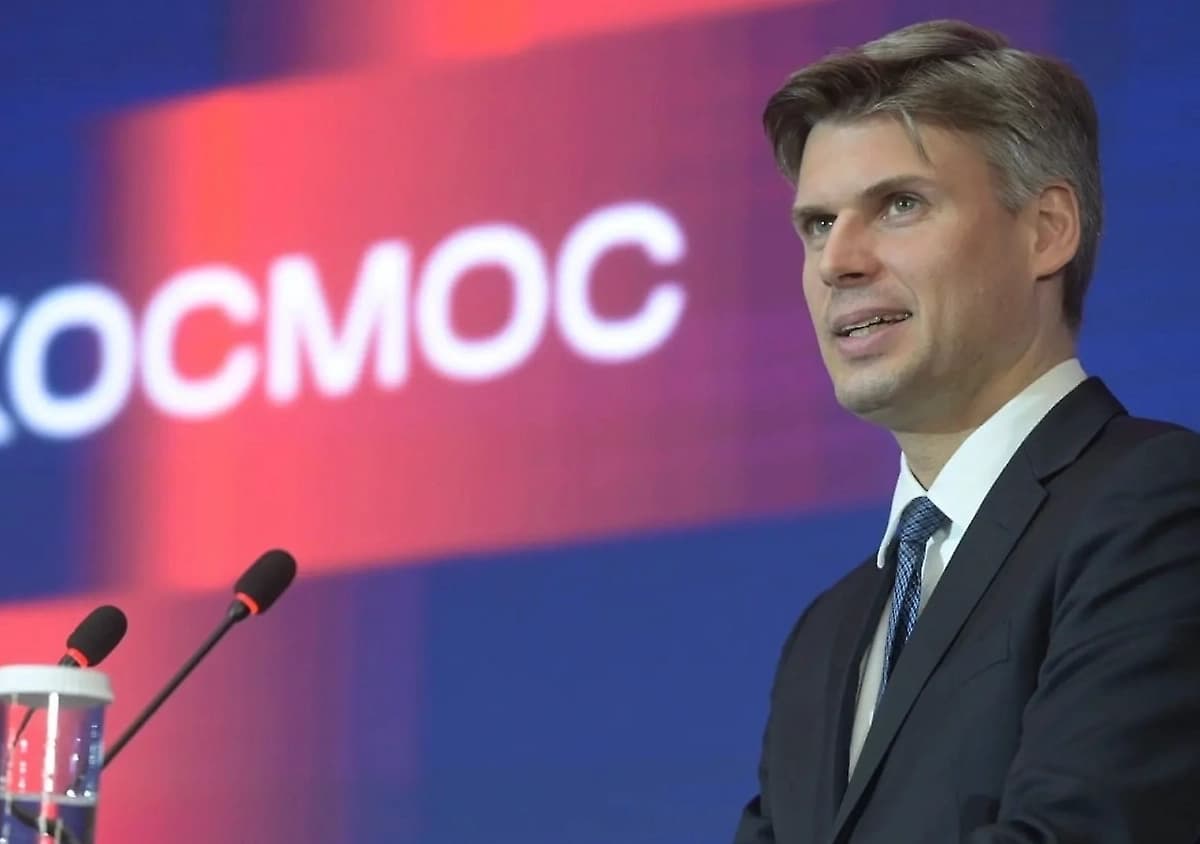
Roscosmos is developing bioregenerative systems that will make it possible to reproduce the key natural processes directly aboard spacecraft. This was announced by the head of the state corporation, Dmitry Bakanov, at the Kurchatov Genome Forum «KurchatovGenTech-2026» in Moscow, as reported by Life.ru.
What today's systems lack
According to Bakanov, existing systems already make it possible to purify the air, recover water supplies and maintain the necessary conditions for the crew. However, this is not enough for flights into deep space: food still has to be delivered from Earth, and organic waste requires processing. «That is why we are developing bioregenerative systems. Their task is to reproduce the main processes of the Earth's biosphere in space,» the publication quotes the head of Roscosmos as saying.
Photobioreactors and plants on board
One promising solution is a combination of photobioreactors and installations for growing plants. Photobioreactors are expected to process carbon dioxide, release oxygen and produce protein biomass, while plants would diversify the cosmonauts' diet and create a more familiar living environment. The development is based on the idea of a maximally closed life-support cycle: instead of constantly replenishing supplies, future systems should ensure the reuse of resources and the production of some of the products the crew needs. This is especially important for long interplanetary expeditions.
Bread in orbit
Life.ru also recalls a related development: scientists in St. Petersburg are working on a technology for baking fresh bread directly in space — by preparing a starter culture in orbit using special strains of yeast and bacteria. The first tests of lactic acid bacteria in space showed that after returning to Earth they retained their properties.