The key facts
- Mirziyoyev's visit to Astana has concluded; he was seen off by the President of Kazakhstan, Kassym-Jomart Tokayev
- Discussions covered AI security, the fight against terrorism and extremism, and new digital threats
- Meetings were held with King Abdullah II of Jordan and the presidents of Kazakhstan, Tajikistan and Turkmenistan
The visit to Astana has concluded
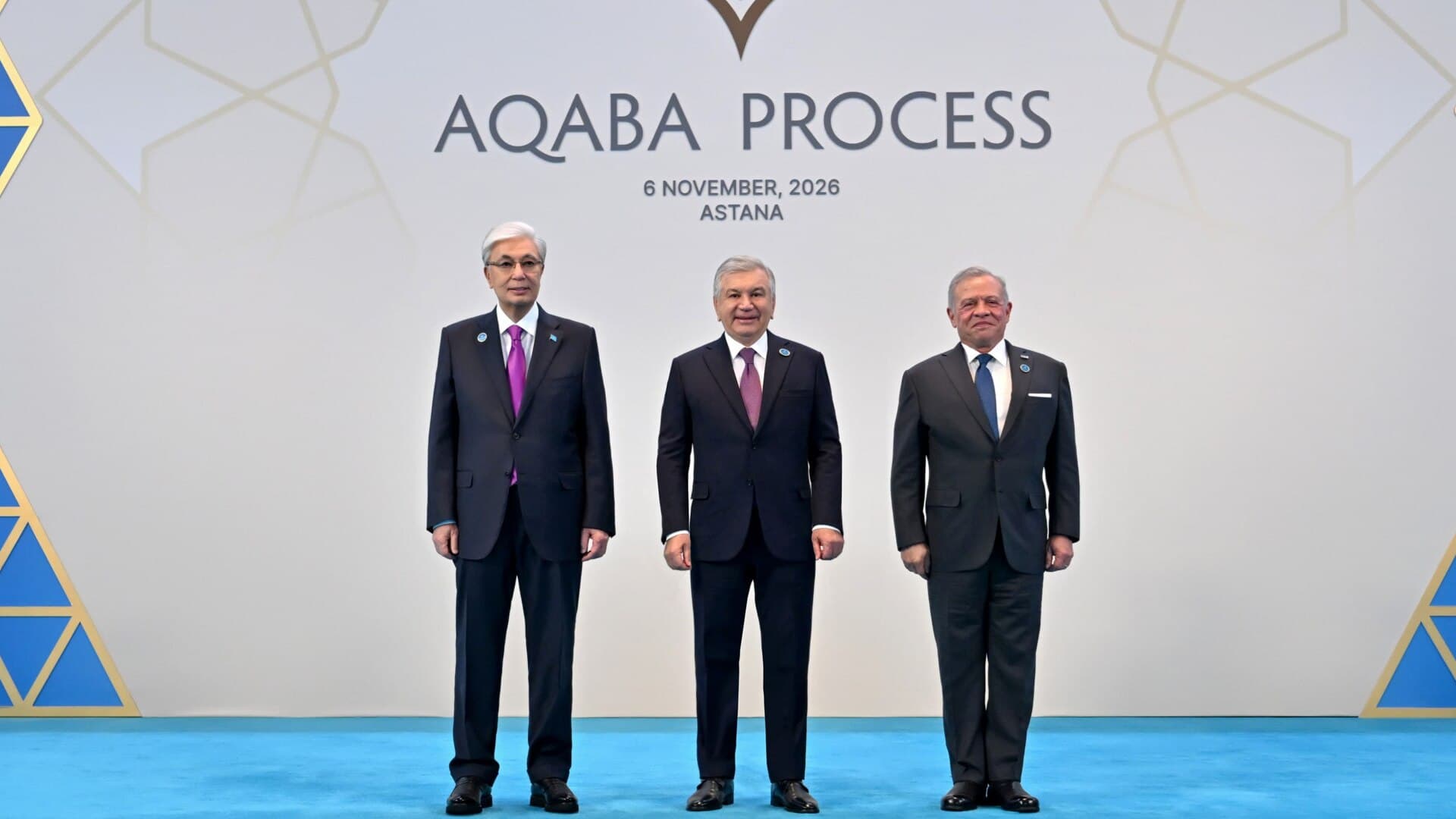
President of Uzbekistan Shavkat Mirziyoyev has concluded his working visit to Astana, the Zamon.uz outlet reported. The purpose of the trip was a meeting of the leaders of Central Asian states on artificial intelligence security issues, held within the framework of the Aqaba Process. According to the publication, the venue addressed ensuring international and regional security, the fight against terrorism and extremism, as well as joint counteraction to new risks and threats associated with the development of digital technologies.
Whom the president met with
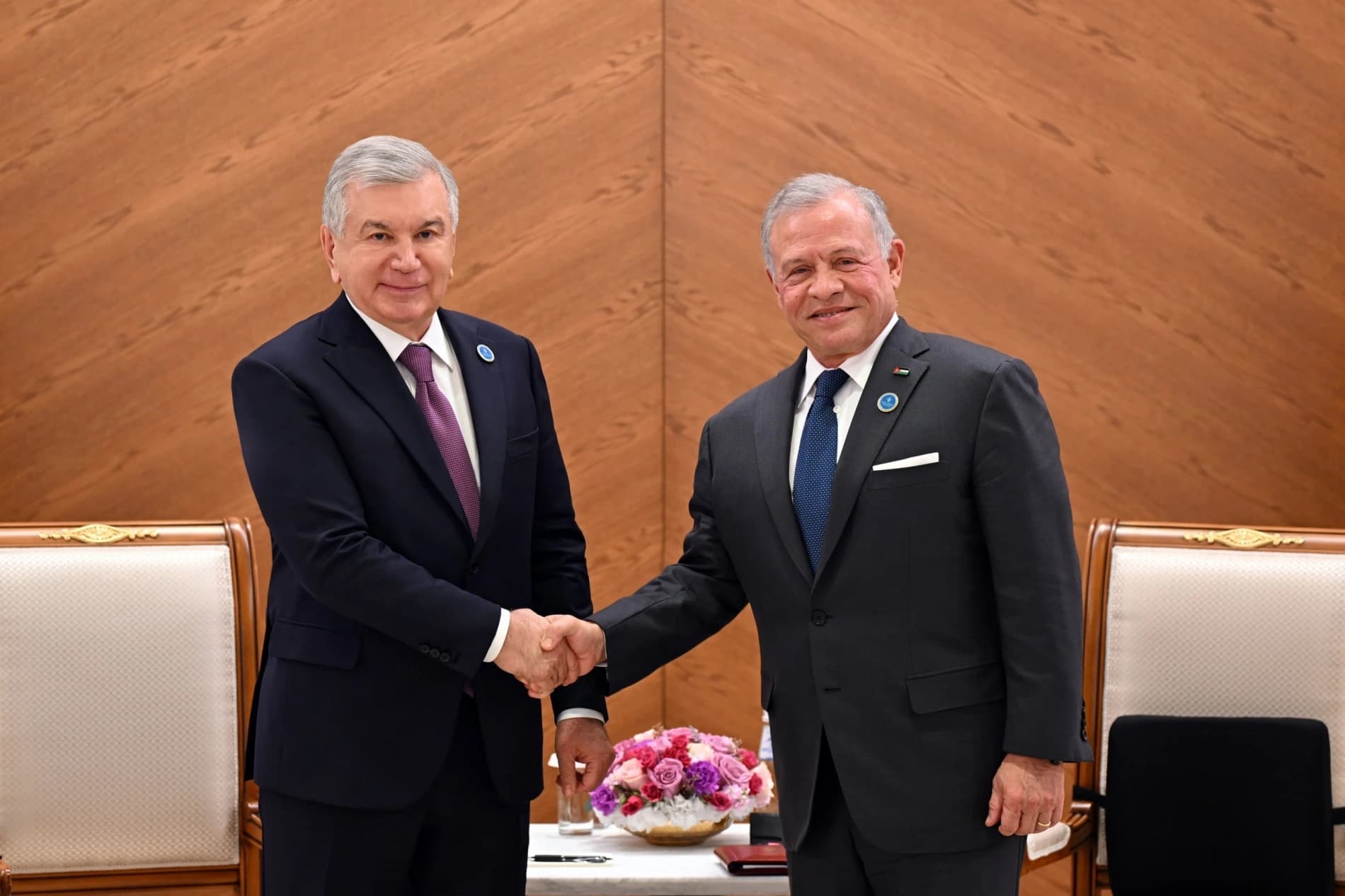
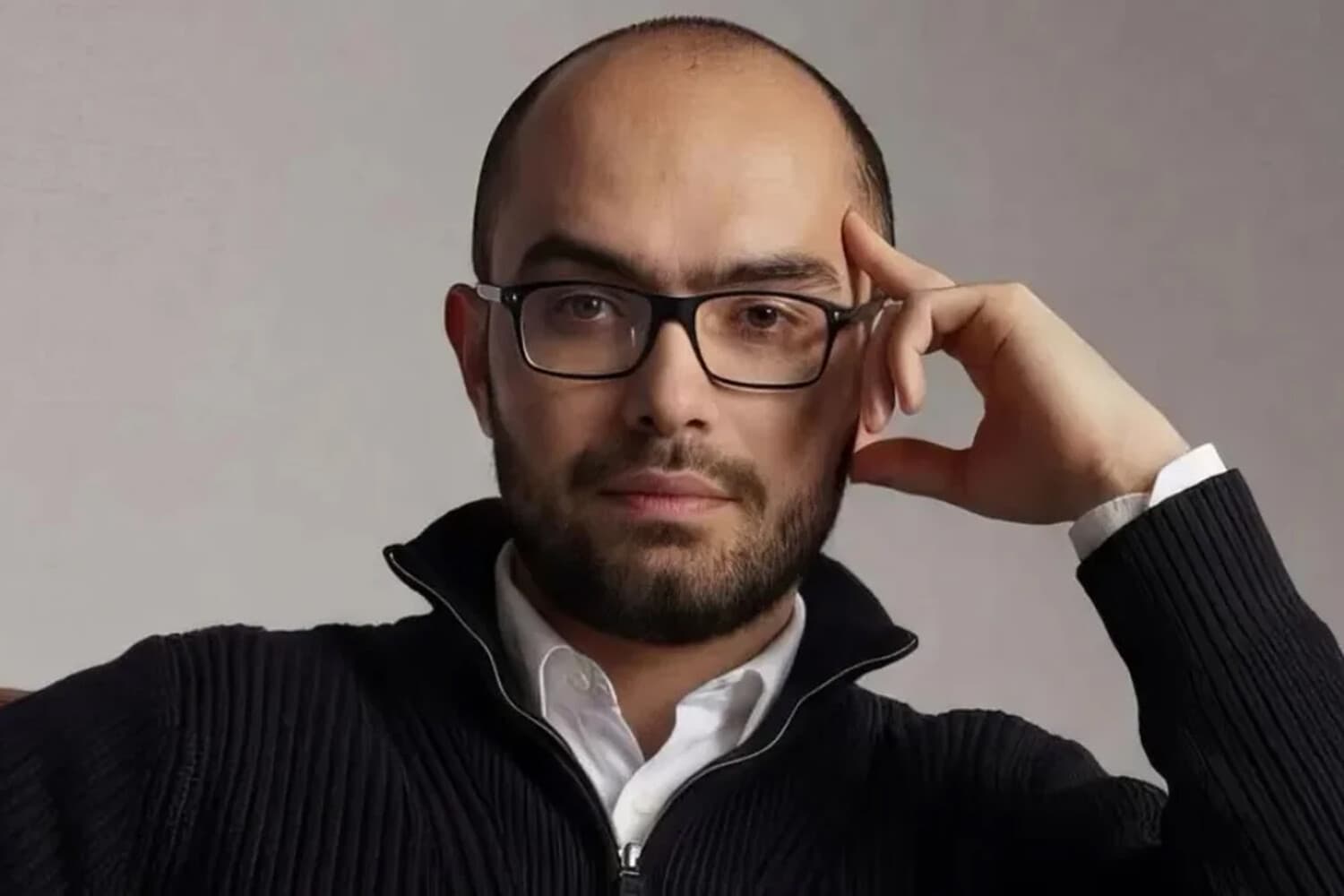
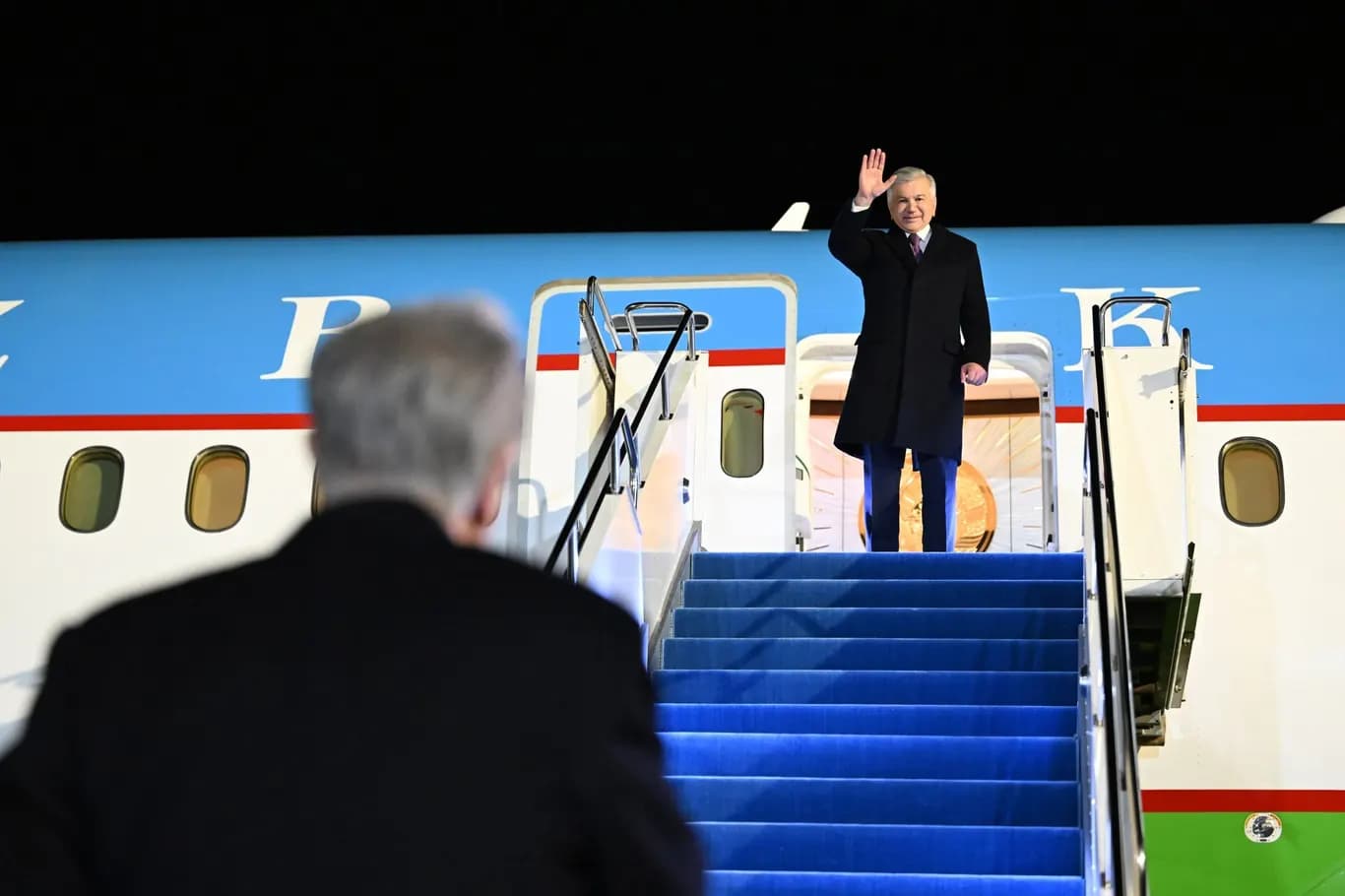
As part of the event, Mirziyoyev held a meeting with King Abdullah II of Jordan. Talks also took place with the presidents of Kazakhstan, Tajikistan and Turkmenistan, high-ranking representatives of Azerbaijan and Kyrgyzstan, and with the moderator of the Aqaba Process. At Astana International Airport, the President of Uzbekistan was seen off by the President of Kazakhstan, Kassym-Jomart Tokayev, after which the head of state departed for Tashkent. The conclusion of the visit is also reported in materials on the website of the President of Uzbekistan.
What is known and what remains undisclosed
The publications confirm the very fact of Uzbekistan's participation in the regional AI security format and list the bilateral contacts, but they do not disclose the content of any agreements reached, if there were any, and do not cite statements from the meeting participants. The composition of participants shows that, in addition to the five Central Asian states, Jordan — the initiator of the Aqaba Process — and Azerbaijan were represented in the discussions; at the same time, according to the outlet, Kyrgyzstan and Azerbaijan were represented not by heads of state but by high-ranking representatives.