The key facts
- On November 6, the first expert-level 'SCO Plus Dialogue on Security' began in Samarkand
- In 2026, the State Security Service identified more than 49,000 extremist and terrorist online resources — 14% more than in 2025
- Uzbekistan ranked 96th in the Global Terrorism Index for 2026
First expert dialogue opens in Samarkand
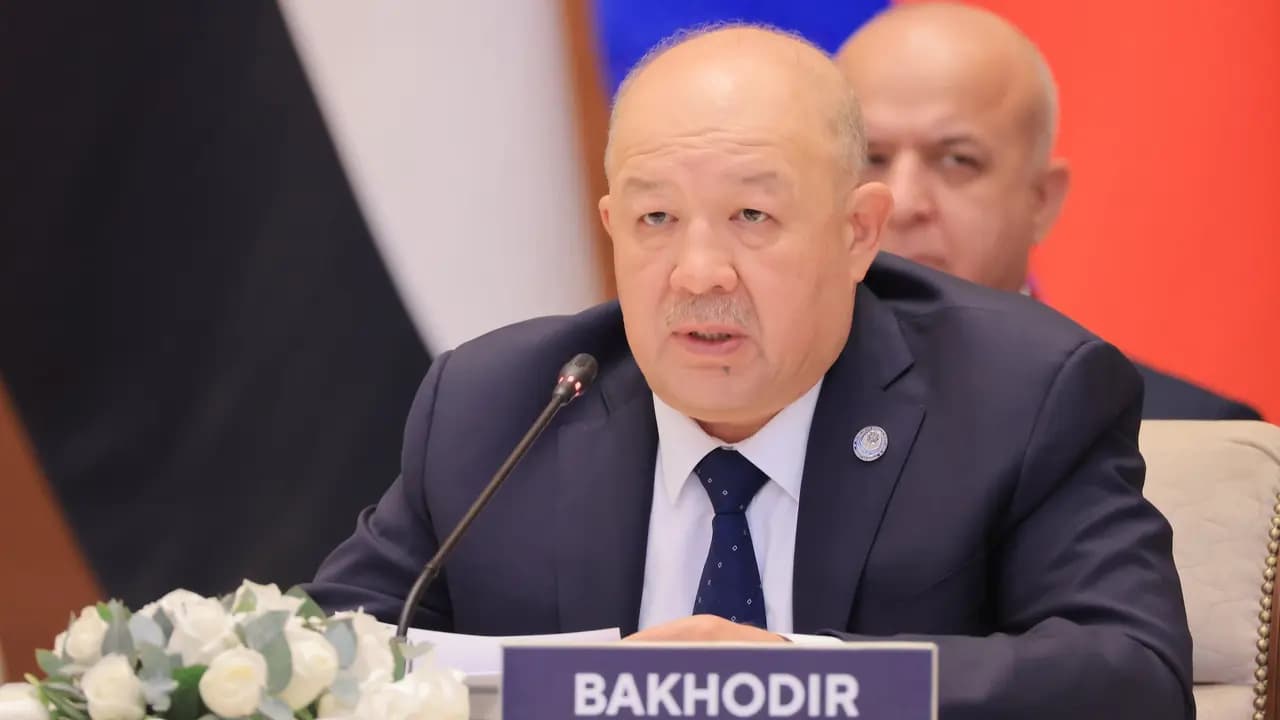
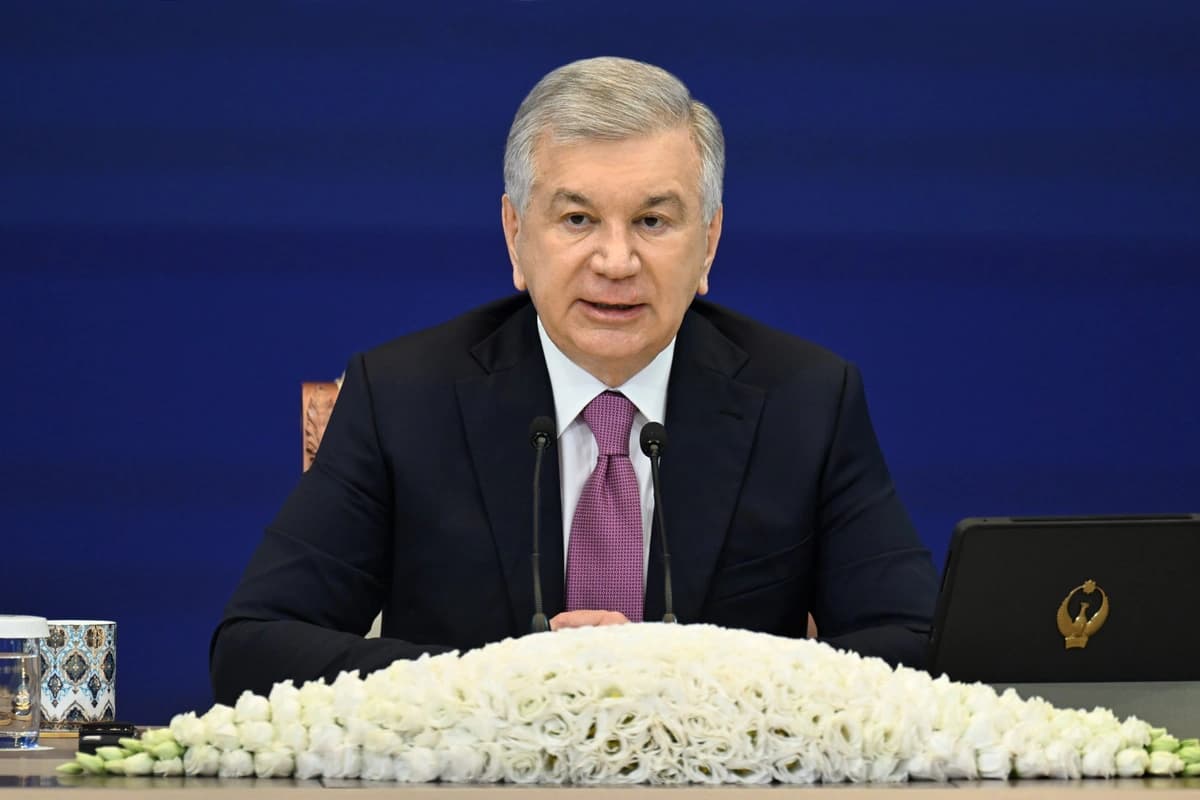
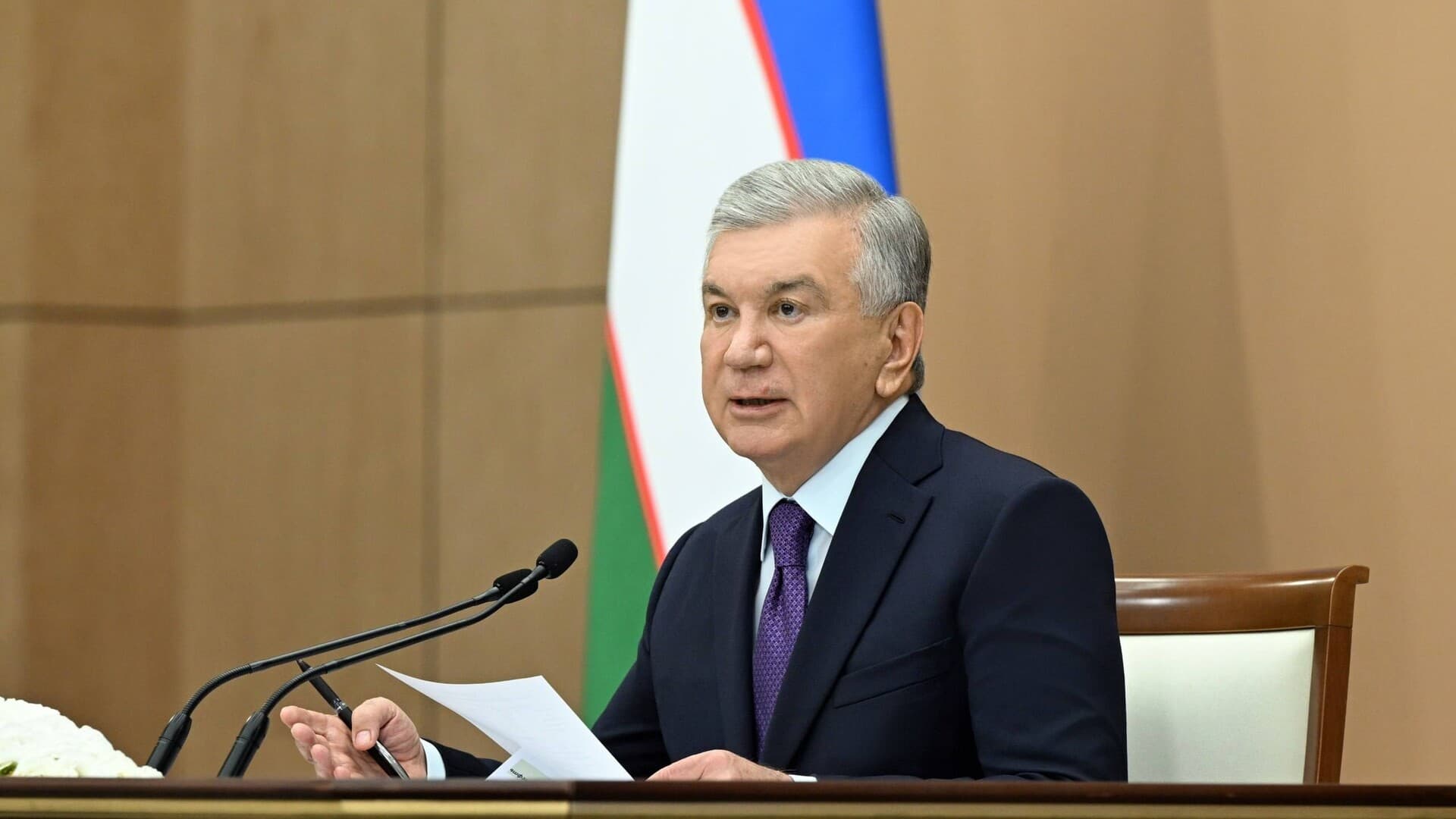
On November 6, Samarkand hosted the first expert-level 'SCO Plus Dialogue on Security'. The meeting was opened with a welcome address by the Chairman of the State Security Service of Uzbekistan, Colonel General Bahodir Qurbonov, while the participants were also addressed by President Shavkat Mirziyoyev — his address was published on the official website of the head of state.
Rising number of dangerous online resources
Bahodir Qurbonov drew the participants' attention to the fact that terrorist and extremist organizations are actively using digital technologies to spread ideology, recruit, finance, plan and carry out terrorist attacks. According to him, this year the State Security Service identified more than 49,000 online resources of an extremist and terrorist nature — 14% more than the comparable figure for 2025. He viewed this trend as evidence of the growing use of the global network to promote radical narratives.
International rankings and a call for cooperation
According to UzNews.uz, Uzbekistan's performance in the security sphere is also reflected in international rankings: in the Global Terrorism Index for 2026, the country ranked 96th, which corresponds to a low impact of terrorism. In his address, President Shavkat Mirziyoyev noted the growing geopolitical tension and the transformation of the nature of transnational threats: in his words, cyberspace has become a key arena of confrontation, where network attacks, manipulation of public consciousness and disinformation are employed, while online platforms have turned into a tool for promoting radical ideology and recruitment. He singled out young people as a particularly vulnerable group, targeted deliberately by destructive forces. The head of state stressed the need to act preemptively — to identify risks, exchange information and develop coordinated approaches. 'We are convinced that no state alone can fully counter threats that know no borders', he concluded.