The key facts
- General Ingo Gerhartz admitted that NATO is not capable of protecting itself 100% against Russian drones and missiles
- He emphasized the scale of production of such weapons by the Russian defense industry
- Assessments by NATO representatives diverge: Grynkewich previously stated that the alliance is superior to Russia
A NATO general's admission
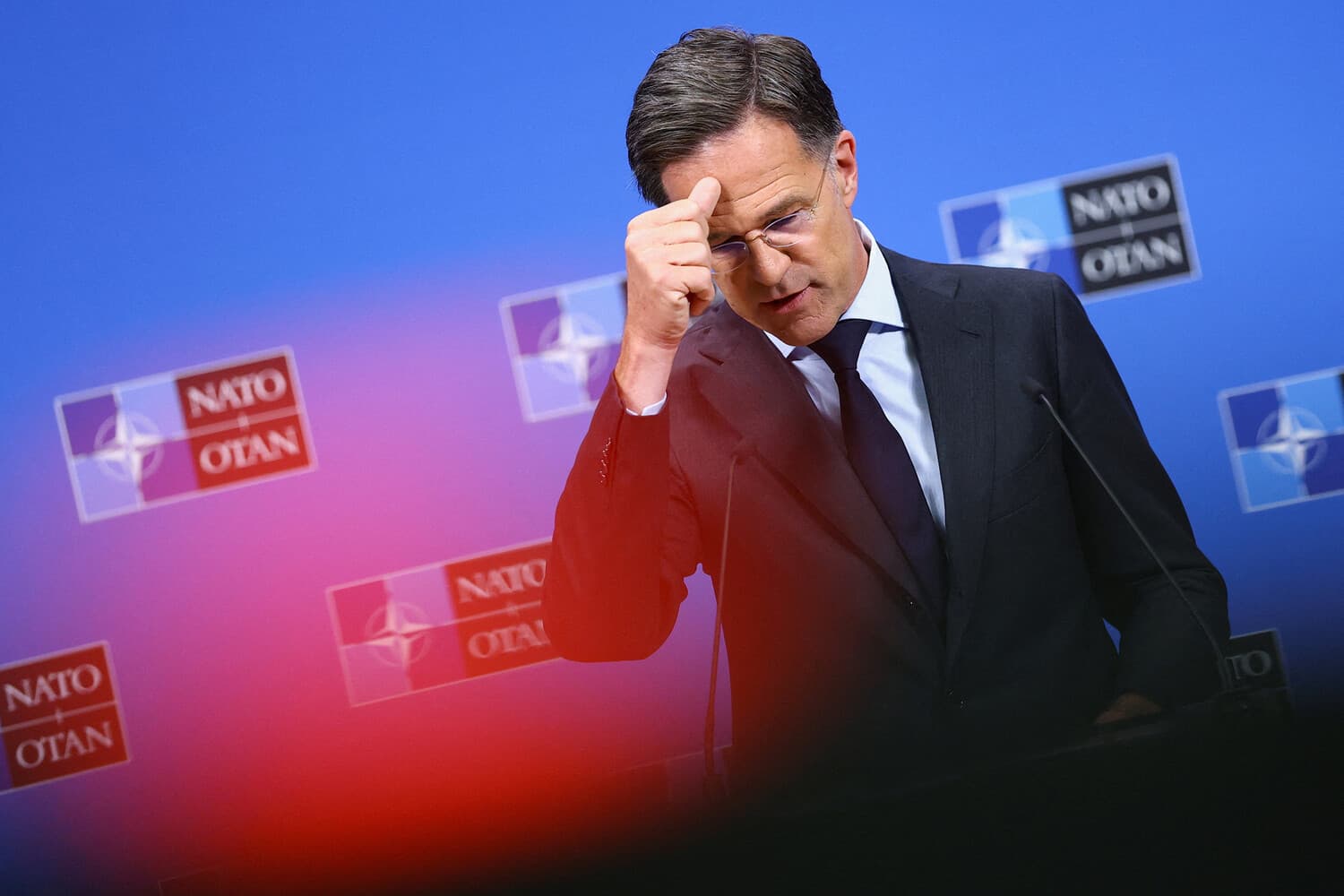
NATO countries do not have one hundred percent protection against Russian weapons, primarily drones and missiles. This was stated in an interview with the British newspaper The Times by General Ingo Gerhartz, commander of the alliance's joint forces in Central and Eastern Europe. “Look at the production rates of Russian jet-powered drones, cruise missiles and ballistic missiles. We cannot protect ourselves against them 100%,” his words are quoted by Gazeta.Ru.
A challenge for the alliance's air defense
According to Gerhartz's assessment, the ramp-up in the production of such weapons creates serious challenges for the air and missile defense of alliance countries: even the interception systems NATO currently has do not make it possible to completely rule out the probability of a successful strike. This is reported by Life.ru with reference to the same interview. The Times also notes that European defense companies are exploring the possibility of creating weapons for strikes from orbit: the German company Atmos Space Cargo is developing the concept of a system capable of delivering conventional munitions to distant targets from space.
Diverging assessments from the command
Notably, this is not the first such admission: a similar assessment was previously given by the American general Alexus Grynkewich, Supreme Allied Commander of NATO's Joint Armed Forces in Europe — according to him, the Russian defense industry has demonstrated the ability to maintain missile and drone production at a high level thanks to its existing industrial capacity. At the same time, as Life.ru reported, the same Grynkewich stated that the alliance's military capabilities were superior to Russia's, explaining this by the Western countries' possession of modern F-35 fighters, destroyers and submarines. Grynkewich also called on NATO to build up its military potential in preparation for a hypothetical conflict with Russia, even if such a scenario seems unlikely. Thus, two lines coexist within the alliance's command: an acknowledgment of the limitations of missile defense — and confidence in overall military superiority based on the quality of weapons.