The key facts
- Russian President Vladimir Putin and Secretary of Iran's Supreme National Security Council Mohsen Rezaei discussed Russian gas supplies to Iran and infrastructure construction.
- Rezaei said the gas could cover Iran's fuel shortage and later be supplied to neighboring countries.
- The North–South corridor was a separate topic: Iran's roads minister will soon sign the executive contract for the Rasht–Astara railway.
Meeting at the Kremlin: gas, infrastructure and security
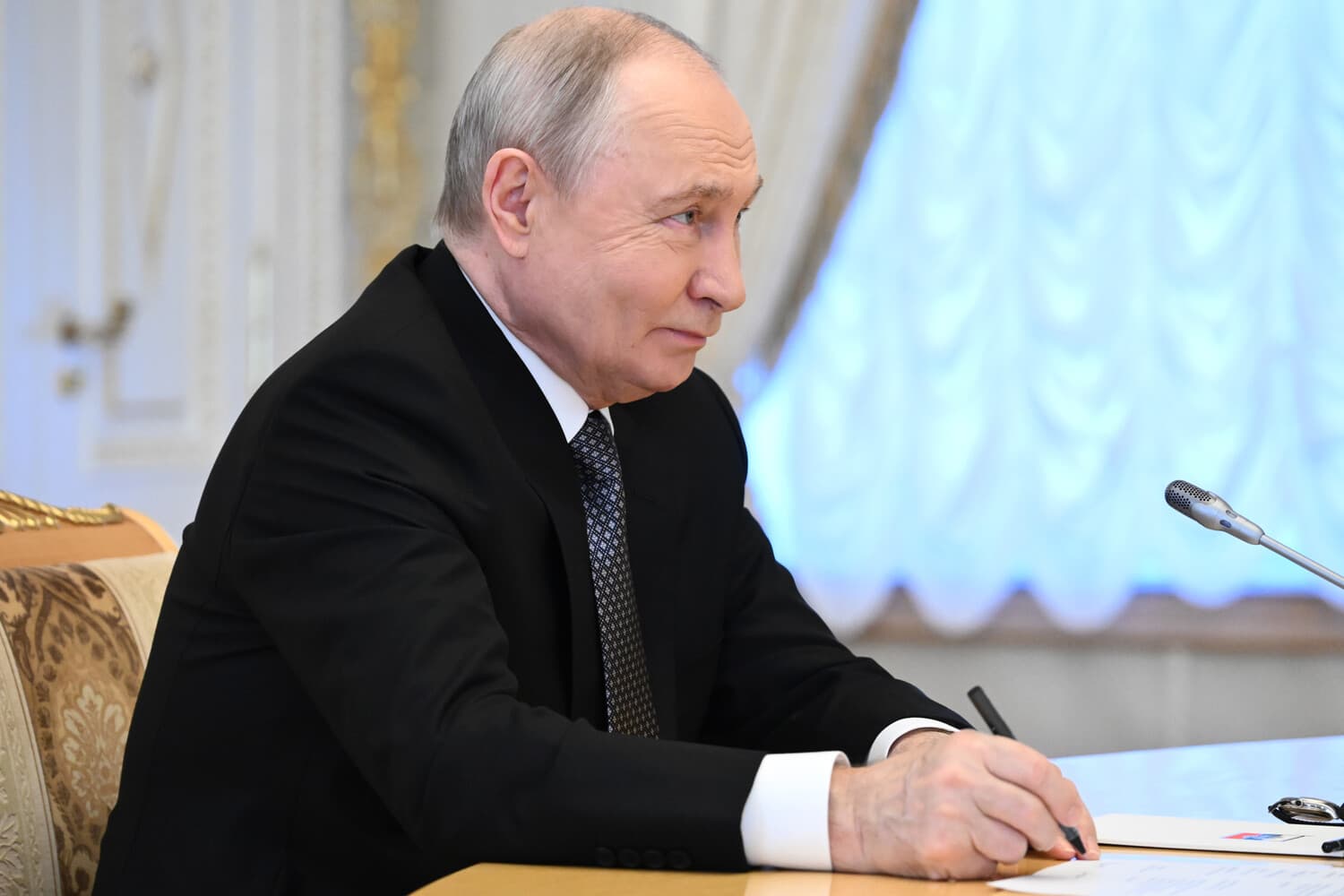
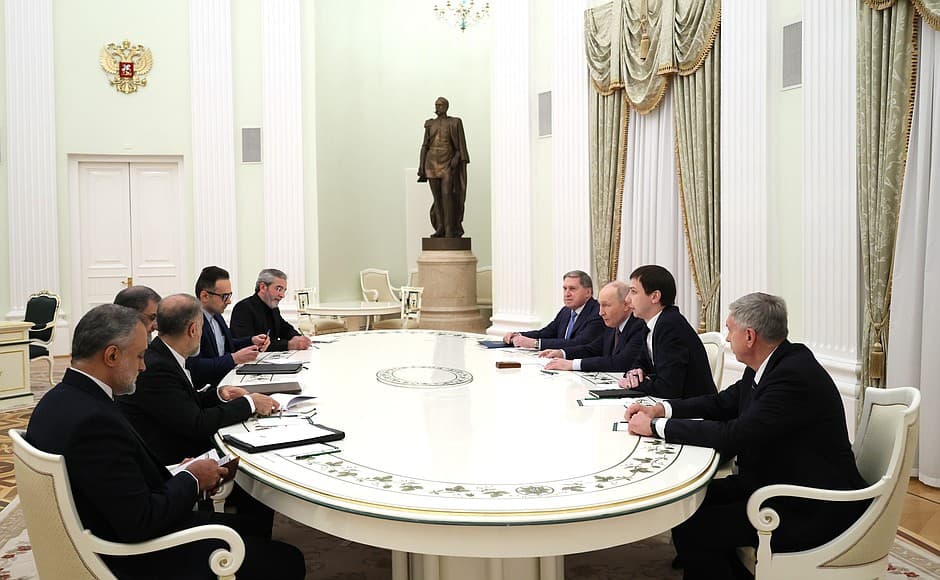
Russian President Vladimir Putin and Secretary of Iran's Supreme National Security Council Mohsen Rezaei discussed supplies of Russian gas to the Islamic Republic and the construction of the infrastructure needed for this. This was reported by Rezaei himself, whose remarks were quoted by Iranian state television IRIB (as reported by Life.ru).
What is proposed regarding gas
According to Rezaei, the sides considered the possibility of laying gas pipelines from Russia to Iran. The supplies should help Tehran cope with its fuel shortage, and later make it possible to sell Russian gas to neighboring states. “The construction of gas pipelines from Russia to Iran was also discussed, so that Iran could eliminate its gas shortage, and so that we could sell Russian gas to the surrounding countries,” Life.ru quoted him as saying, citing IRIB.
The North–South corridor and regional security
Another topic of the talks was the international North–South transport corridor, in particular the construction of the Rasht–Astara railway. Rezaei said that Iran's minister of roads and urban development would sign the executive contract for this project in the near future. In addition to the economy, the interlocutors discussed regional security: the Iranian representative spoke about consultations on the situation after the war and possible mechanisms for ensuring stability in the region.
Why Iran needs gas
An earlier Life.ru article provides context for the meeting: Igor Yushkov, an expert at the National Energy Security Foundation, noted that with the onset of cold weather, fuel consumption in Iran is growing, and it is difficult for the republic to quickly increase its own production — hence its interest in Russian supplies. No practical details — timelines, volumes or gas pipeline routes — are given in the reports so far; the signing of the Rasht–Astara contract also remains a stated plan rather than an accomplished fact.