The key facts
- Ronaldo announced his departure from the national team on November 5; over 23 years he played 234 matches and scored 146 goals
- Ronaldo announced his departure from the national team on November 5; over 23 years he made 234 appearances and scored 146 goals
- The conflict with Jesus began with a broken agreement about the training camp plan and his failure to come on as a substitute against Norway
- Psychologist Abravitova calls the departure an attempt to preserve control and agency; the national team, she says, lost two million followers
- Psychologist Abravitova calls the departure an attempt to preserve control and agency; the national team, according to her, lost two million subscribers
A departure that was first announced, then denied, and then confirmed again
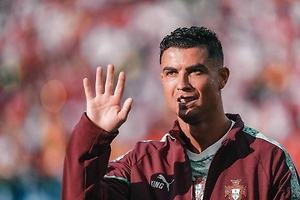
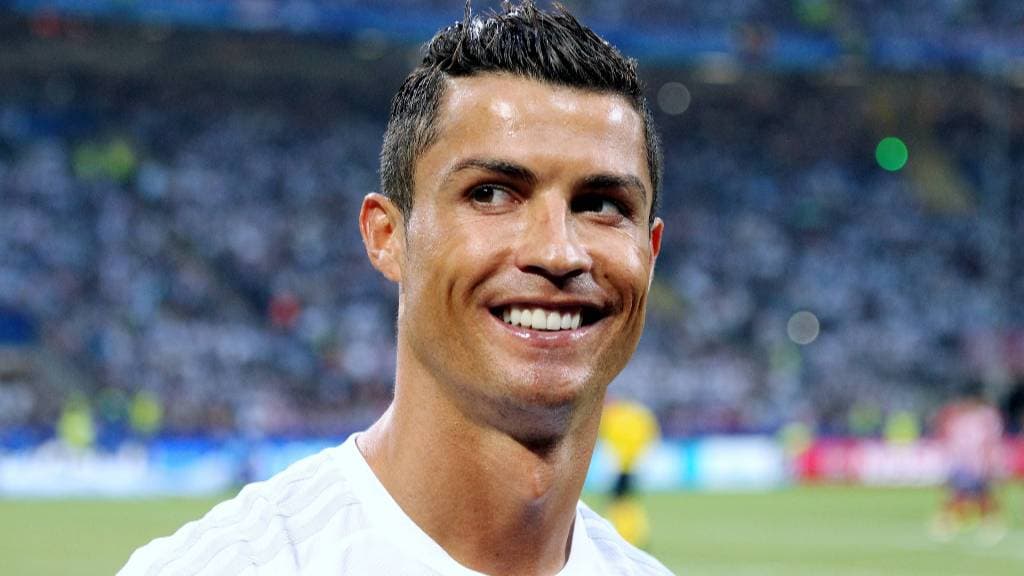
Cristiano Ronaldo has officially ended his career with the Portugal national team: the 41-year-old footballer announced his decision on November 5. Over 23 years with the national team, he played 234 matches and scored 146 goals, setting world records. This was reported by Life.ru.
What led up to the decision
Psychologist Marianna Abravitova, commenting on the footballer's departure, described the timeline of the conflict with head coach Jorge Jesus. According to her account, based on Ronaldo's own words, the conflict began not with the match against Norway, but with a broken agreement: the plan for the training camp stipulated that Ronaldo would skip away matches to recover, but before the game the coach asked him to come on for at least half an hour. Ronaldo agreed at the expense of his own preparation plan, warmed up and waited to enter the pitch, but was never brought on. The second blow, according to the psychologist, was the coach's unfulfilled promise to publicly explain the situation, even though the text of the apology, according to Ronaldo, had already been agreed upon.
A psychological interpretation: the inability to step into the shadows
Abravitova assessed what happened not as a quarrel over a substitution, but as a clash of 'two incompatible worldviews.' In her view, the decision to end his national team career — which Ronaldo first announced, then denied, but ultimately confirmed — was a 'final attempt to preserve control and dignity' in a situation where, for the first time, he could not dictate the terms. She linked the footballer's behavior to perfectionism and a 'narcissistic organization of personality': the shift from unconditional leader to 'joker' is perceived as a loss of status, while a demonstrative departure is a way to regain agency and remain in the spotlight. The unauthorized departure and subsequent suspension, she noted, confirm Ronaldo's fear: he is no longer irreplaceable.
Consequences for the national team
According to Abravitova, the Portugal national team lost two million followers after Ronaldo's departure, but 'institutionally survived and did not collapse.' She contrasted this departure with Lionel Messi's farewell, in which he accepted the role of a departing yet still embraced leader — against that backdrop, the psychologist believes, Ronaldo's departure looks like a 'psychological inability to let go.' It is important to note that this is the assessment of an invited expert, not confirmed facts: the footballer's own motives are presented in the publication only through the psychologist's retelling of his words.