The key facts
- Scammers create AI images of missing pets and demand rewards, including gift cards
- In 2025, scammers stole almost £1.3 billion in the UK, and AI-enabled fraud is growing
- In 2025, scammers stole nearly £1.3 billion in the UK, with AI-enabled fraud on the rise
- Experts advise demanding a video or video call and meeting in person before handing over money
AI photos instead of a real find
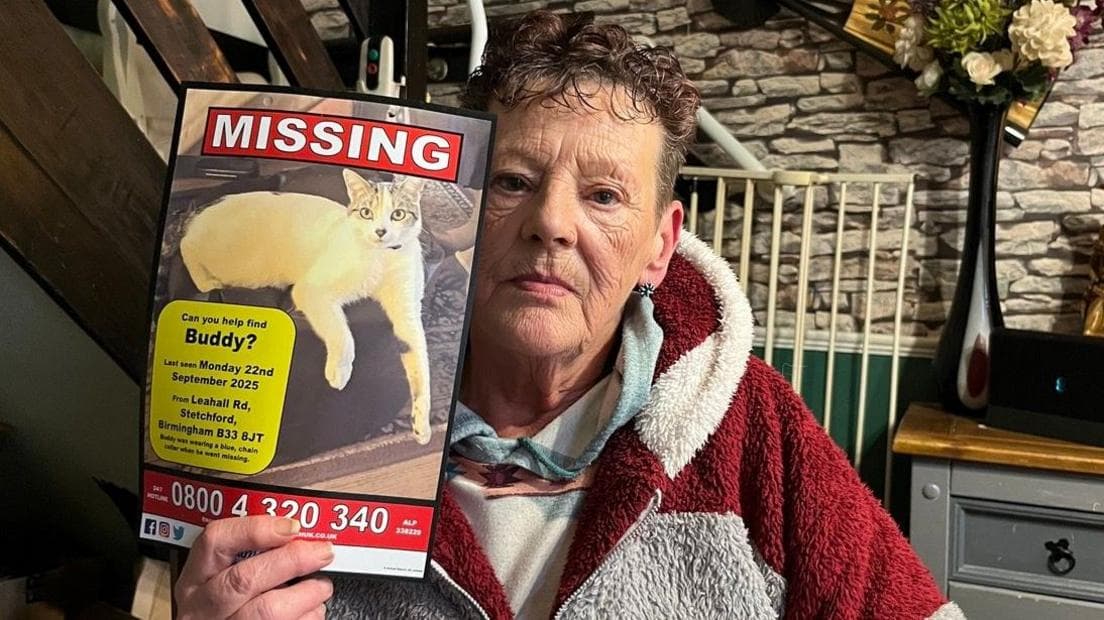
When Stephanie Young from Birmingham lost her cat Buddy last September, she posted notices on shelter websites and social media groups. Soon a woman named Melissa sent a photo of the cat and said she had been feeding him, asking for a reward for her autistic grandchildren. Young was '100% sure' she had found her pet and was already withdrawing cash at the bank, but the 'finder' did not show up to the meeting, refused to accept cash and demanded 100 Apple gift cards. When Young suspected a fake, threats to 'sell or kill' the cat followed — the images turned out to be AI-generated. This is reported by a BBC News investigation.
Similar schemes with different victims
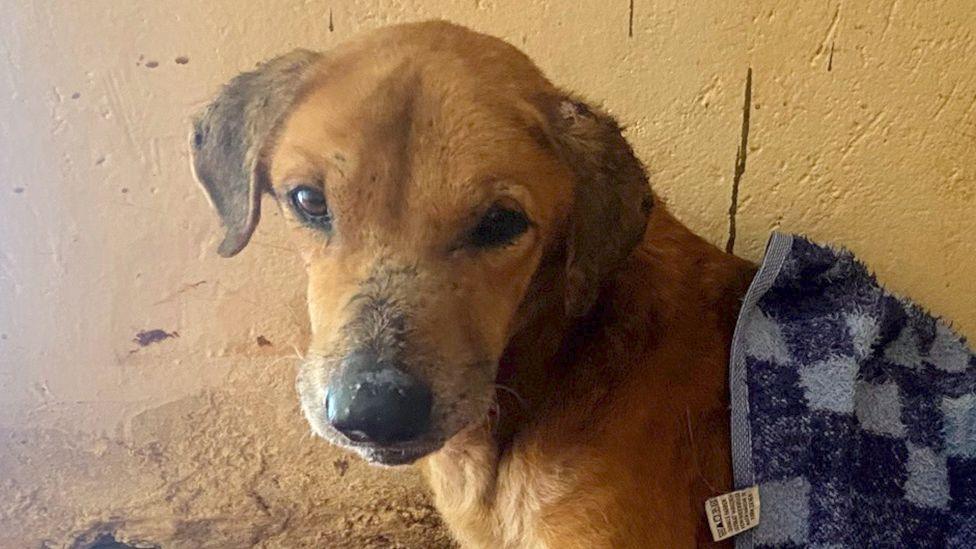
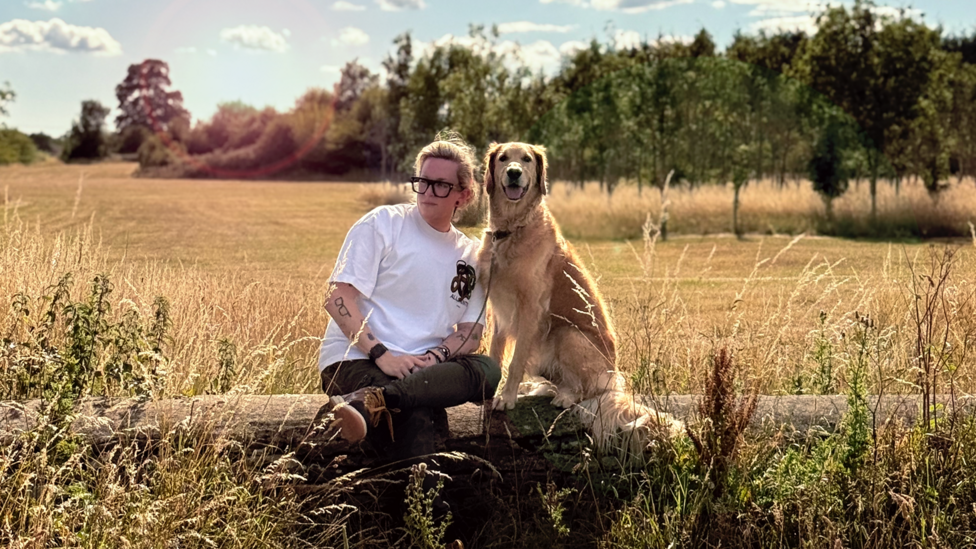
A similar story happened to Cam Chauhan from Wednesbury: nine months after her cat Creed went missing, she was sent an 'exact picture' of the cat in someone else's back garden and was demanded an Apple gift card worth £200. She agreed to a meeting, but the scammer refused to come until the cards were bought and sent by text message; Chauhan refused and has been waiting for her cat ever since. Sarah Robinson from Northampton, two weeks after her cat Cookie went missing, received a call from a 'finder' named Kherson H, who at first seemed 'vague about the location' and then demanded £40,000 via a money transfer link and threatened to kill the cat without payment. All three owners reported the cases to Report Fraud, a service run by the City of London Police.
Context: AI fraud is growing
The BBC notes that fraud cases in the UK have risen sharply amid the availability of AI: in 2025 criminals stole almost £1.3 billion. Rasha Kasem, a senior lecturer at Aston University, explains that AI plays a 'major role' in online fraud because what used to be technically difficult is now 'super easy, accessible and free'; she is concerned about the lack of public awareness of such schemes. According to her, criminals create a sense of urgency, so one should not rush to transfer money, but rather gather as much information as possible and report to the authorities; she does not recommend negotiating with extortionists.
How 'finders' are verified
Pawboost, a platform that helps search for lost pets, advises demanding concrete proof: a short video or video call, ideally showing the animal's unique feature. It is also recommended to arrange a meeting in a safe public place to verify identity and to ask questions that only a genuine finder would know — for example, what collar the pet was wearing or what its personality traits are — that is, details not visible from public notices. The Report Fraud service advises seeing the pet in person before handing over any money. This is a story about events in the UK; the report provides no data on similar schemes in Uzbekistan.
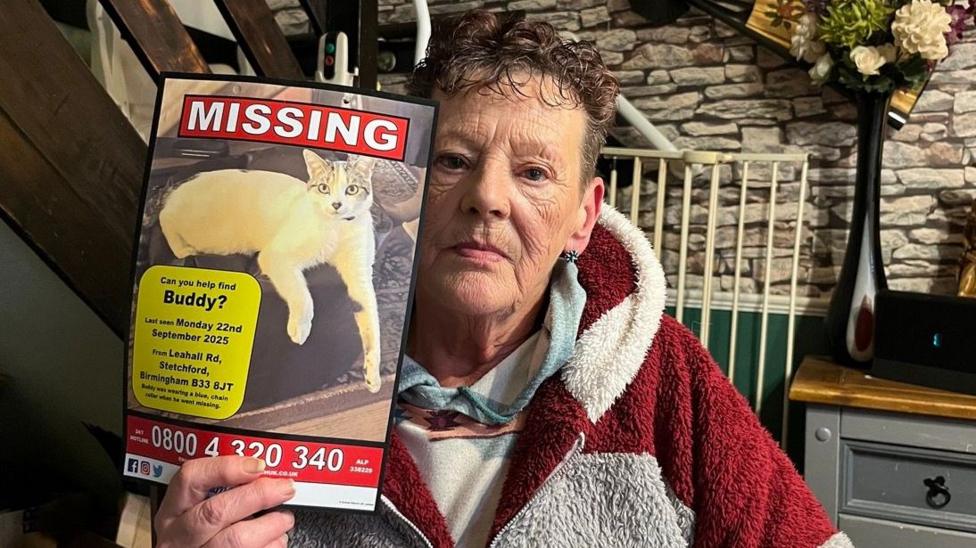
Stephanie Young said she was shocked anyone could be 'so evil' after receiving threats to murder her cat, Buddy
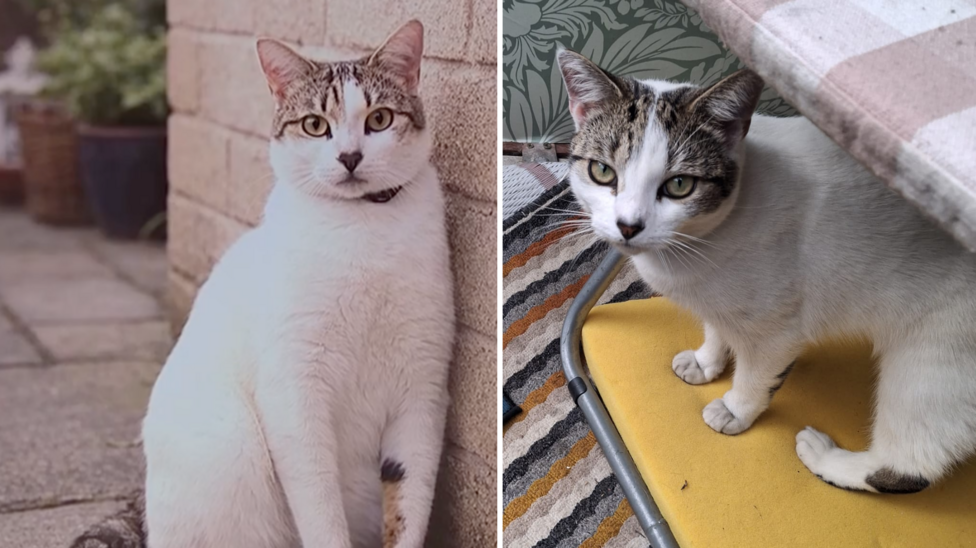 Image source, Handout/ Stephanie
The AI-generated picture of Buddy sent to Young (left) and a genuine picture of him (right)
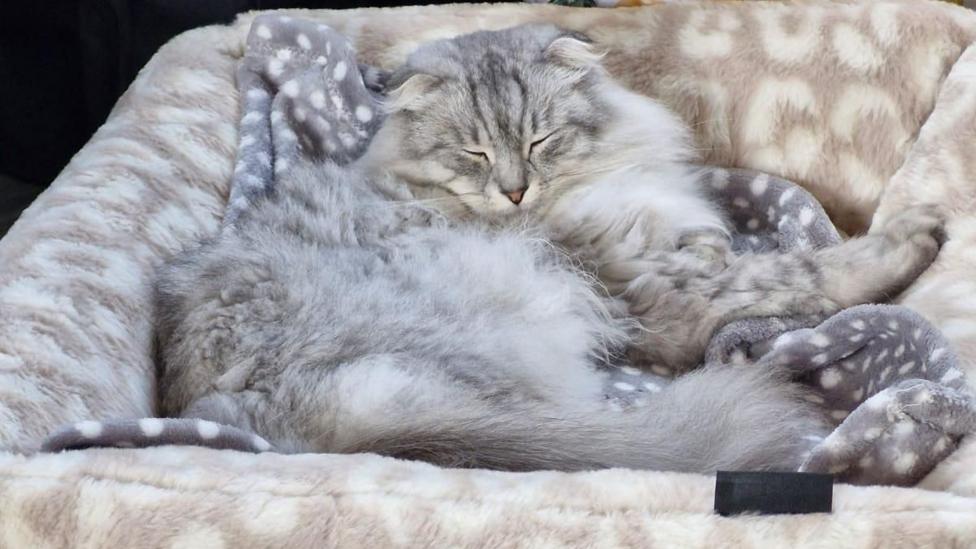 Image source, Cam Chauhan
Cam Chauhan said she really missed her cat Creed, who would sleep all day
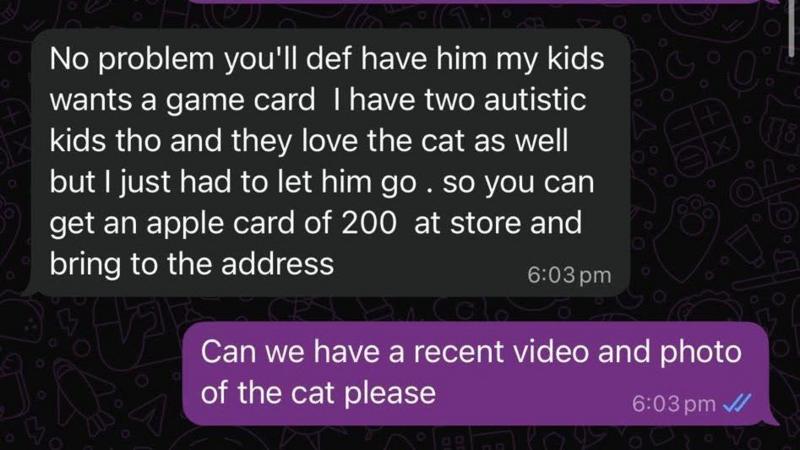 Image source, Cam Chauhan
Chauhan's scammer asked for a £200 Apple gift card for their autistic children
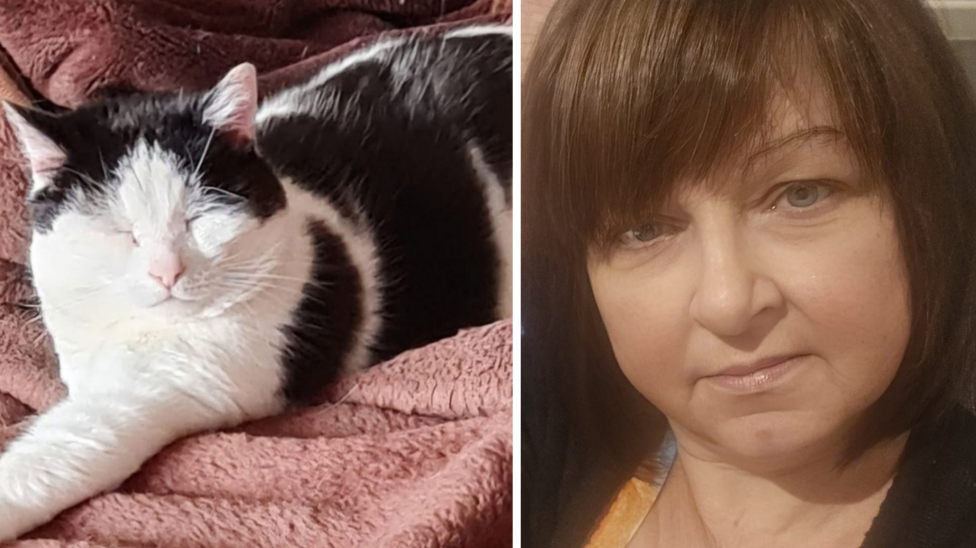 Image source, Sarah Robinson
Sarah Robinson received threats after a scammer demanded £40,000 to return her cat
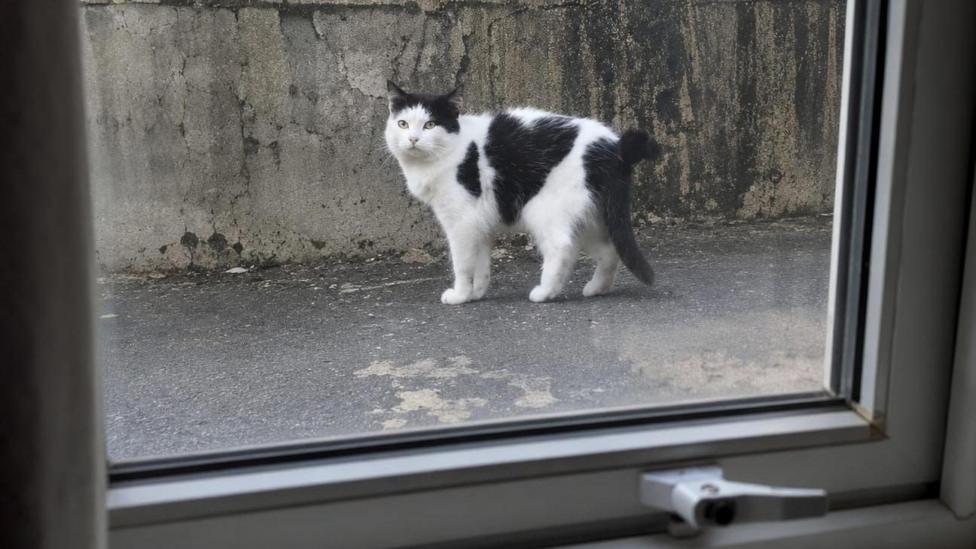 Image source, Sarah Robinson
Scammers sent Sarah Robinson AI-generated pictures of her cat appearing to be outside a window