The key facts
- Japan is considering financial assistance to the ICC, which was added to the US sanctions lists on October 9
- Tokyo is consulting with the court's president Tomoko Akane — a Japanese national
- Akane called on UN member states to take concrete measures to protect the court
Tokyo is studying support measures for the court
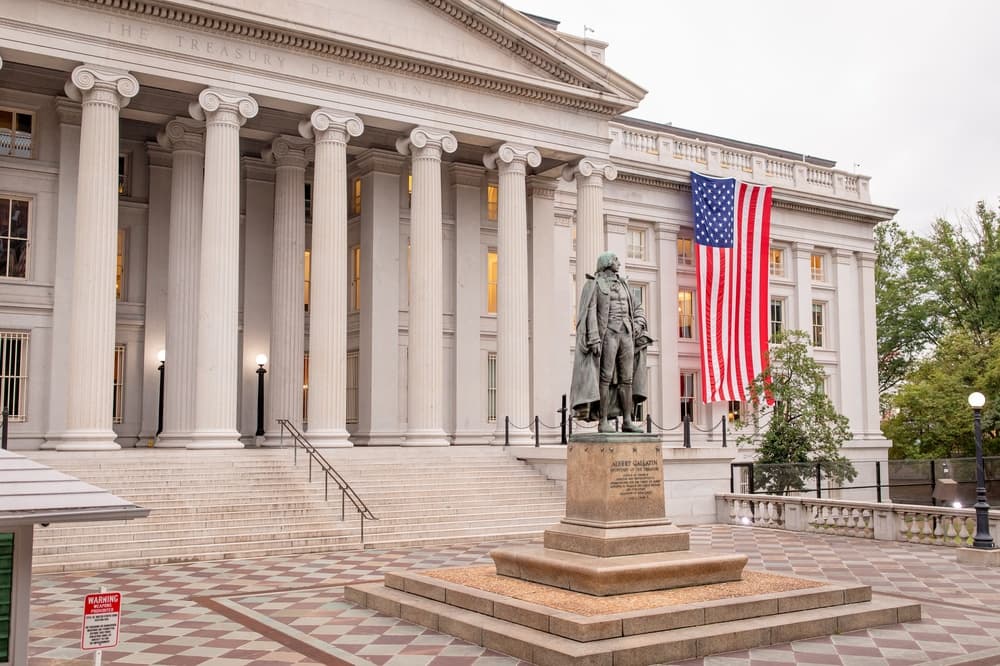
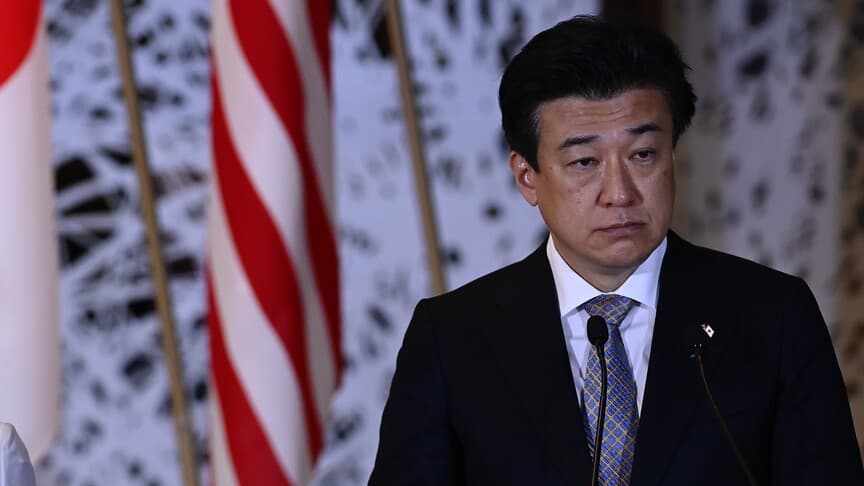
Japan is considering the possibility of providing financial assistance to the International Criminal Court (ICC) against the backdrop of sanctions imposed by the administration of US President Donald Trump. The country's government announced this on Wednesday, Anadolu reports. Japan's Chief Cabinet Secretary Minoru Kihara said at a press conference that Tokyo is studying possible financial measures, while maintaining consultations with the court's president, Tomoko Akane — a Japanese national — and other countries. He also confirmed Japan's commitment to supporting the court and international law.
Context of the sanctions and the parties' positions
The statement came after Akane, in her annual address to the UN General Assembly on Monday, criticized the American sanctions, warning that the restrictions threaten the court's judicial independence, and called on member states to take concrete measures to protect the court. Sanctions against the ICC itself were imposed by Washington on October 9; earlier, the restrictions had targeted the court's judges and prosecutors, including Akane herself. According to the publication, the United States opposes ICC investigations involving the US and has declared its intention to 'dismantle' the court; the pressure is taking place against the backdrop of arrest warrants for Israeli Prime Minister Benjamin Netanyahu and his former Defense Minister Yoav Gallant on charges related to strikes on Gaza. The ICC, headquartered in The Hague, investigates genocide, war crimes and crimes against humanity when national authorities are unwilling or unable to conduct their own prosecutions. The United States is not a member of the court, whereas Japan — one of its largest financial donors — continues to support the institution despite its close security alliance with Washington.