The key facts
- Palestinian diplomats are cooperating with British officials on implementing September sanctions against trade with the settlements
- In response, Israel downgraded the status of the British Consulate-General in Jerusalem
- An expansion of bilateral trade is being discussed, including technology and renewable energy
Cooperation on sanctions despite pressure
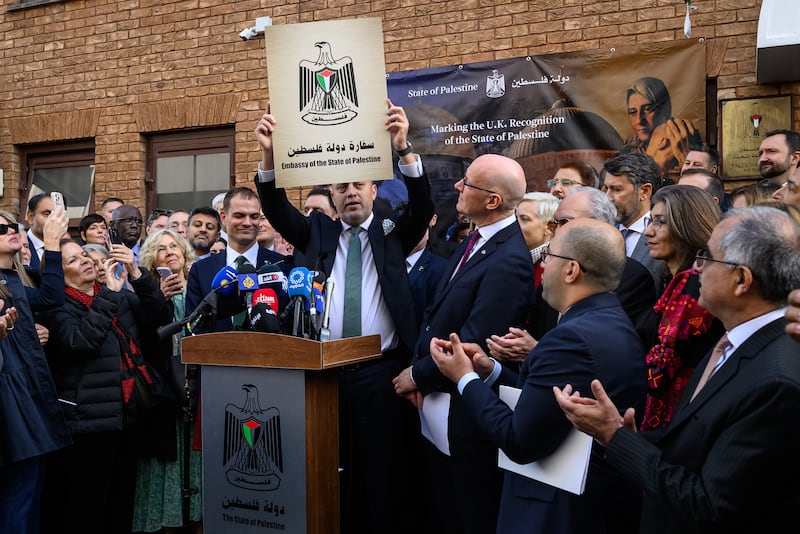
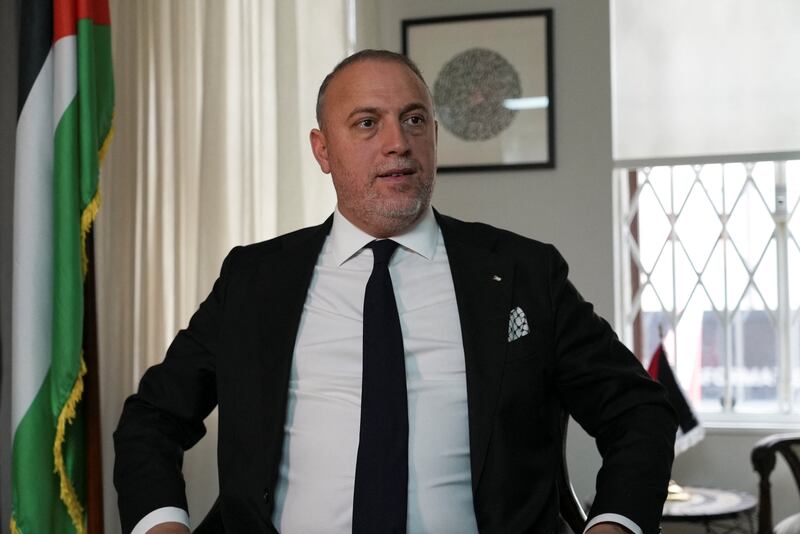
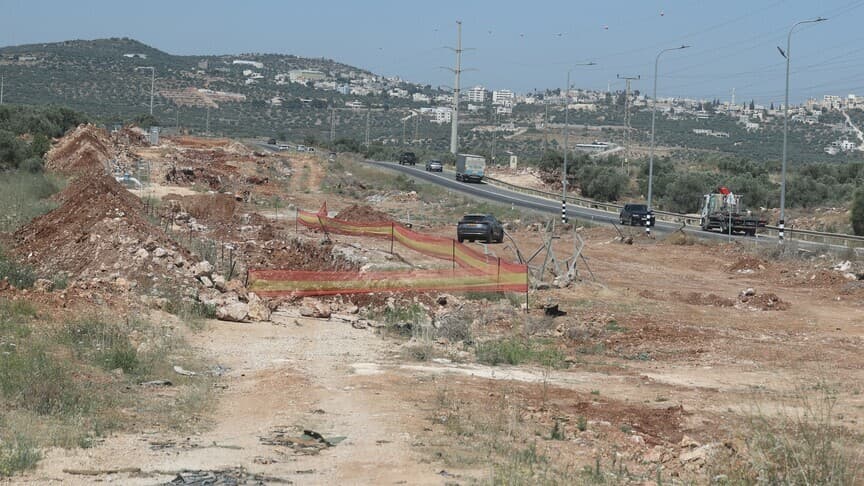
Relations between Palestine and the UK government are able to withstand pressure from Israel, as the two sides are working together to implement British sanctions against trade with settlements in the West Bank, the Palestinian ambassador to the UK said Husam Zomlot in an interview with The National. In September, the UK announced a new sanctions regime banning trade in goods and services from 'illegal settlements', and since then, according to the ambassador, he has been meeting regularly with British officials to ensure the regime effectively covers the settlements. Zomlot called the sanctions important for countering Israeli pressure on the Palestinian economy and reducing risk to the West Bank amid attempts at 'engineering annexation and collapse'.
Economic vulnerability and a second track of relations
The ambassador explained why external sanctions matter so much to Palestine: almost all Palestinian exports pass through Israeli checkpoints and customs channels, and Palestinian banks are required to work through a small number of Israeli banks for international payments. 'They are strangling our economy. The only throat we breathe through is a system controlled by Israel,' Zomlot said. Alongside the sanctions track, he is discussing with the British side measures to strengthen trade relations — based on an agreement signed last year by Palestinian Prime Minister Mohammad Mustafa and former Foreign Secretary David Lammy. In addition to promoting agricultural products in Europe, he said, negotiations are under way on larger-scale exchanges in technology and renewable energy knowledge. At the same time, Zomlot stressed that the sanctions track is 'still at the beginning', and Palestinian officials, together with British campaigns, are pushing for a full arms embargo on Israel and sanctions against Israeli state institutions that facilitate settlement expansion: 'settlements are a crime. Israel is the criminal. You cannot sanction only the crime and not punish the criminal'.
Conflict over the consulate in Jerusalem
Last month, Israel responded to the British ban on trade with the settlements by downgrading the status of the British Consulate-General in Jerusalem. This did not stop cooperation on the ground: Zomlot said that Palestine is working 'with all relevant bodies' to ensure that the British presence in Jerusalem is preserved and its status unchanged. He called Israel's decision 'completely and absolutely illegal', noting that Israel has no sovereignty over occupied Jerusalem, and that the consulate serves as 'Britain's address serving the Palestinian people'. According to him, 'this is piracy and diplomatic terror', and the Israeli government's plan is 'to cleanse Jerusalem of any international representation'. Meanwhile, British Foreign Secretary Ed Miliband said last week that the new rules would allow the government to add individuals and organisations to sanctions lists on human rights grounds more quickly.