The key facts
- At the Yasenki center in Podolsk, SVO veterans' rehabilitation has been supplemented with family support provided by municipal services
- The recovery program includes a pool, therapeutic diving, the first adaptive karting school in the Moscow region and voice-controlled exoskeletons
- In the first nine months of 2026, more than 23,000 people sought employment assistance from the Defenders of the Fatherland Foundation, and over half found jobs
Rehabilitation combined with family support
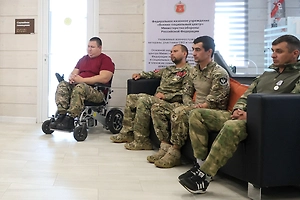
At the Yasenki center in Podolsk, the recovery of SVO participants has been combined with support for their families: while veterans undergo rehabilitation, municipal services help relatives resolve everyday, medical and legal matters. This was reported by RIAMO.
How the system works
Support begins the moment a service member enters the center. Social coordinators work with the specific needs of the family — from housing repairs to arranging children's education. The municipality has become a permanent curator of the facility and has taken charge of improving the surrounding area, including equipping the forest park zone with specialized outdoor exercise machines.
Recovery methods
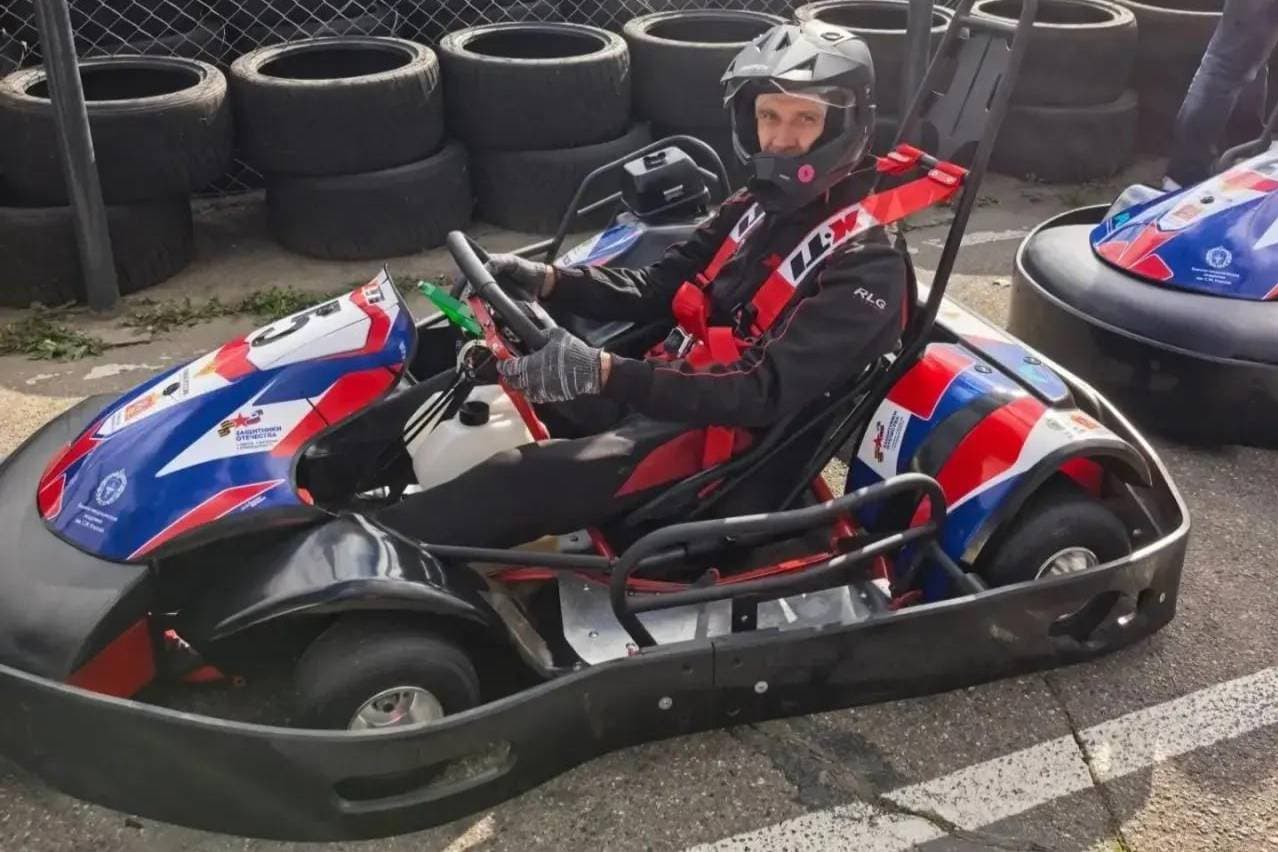
For physical recovery, Yasenki uses a specialized pool and therapeutic diving — the sessions are aimed at developing coordination and strengthening muscles. Veterans with severe wounds also train at the first adaptive karting school in the Moscow region and test domestic exoskeletons with voice control and built-in electromyography.
Nationwide context
Earlier, the Defenders of the Fatherland Foundation summed up the results of veteran support for the first nine months of 2026: more than 23,000 people sought employment assistance, and over half have already found jobs. Among other areas of assistance, the foundation cites adapting housing for veterans with disabilities, rehabilitation, psychological support and adaptive sports.