The key facts
- The fatality rate exceeds 50%, with more than 10,000 people infected
- 5,372 deaths in the DRC, two each in Kenya and Uganda
- Kenya and Nigeria reported Ebola cases for the first time in October
The scale of the outbreak
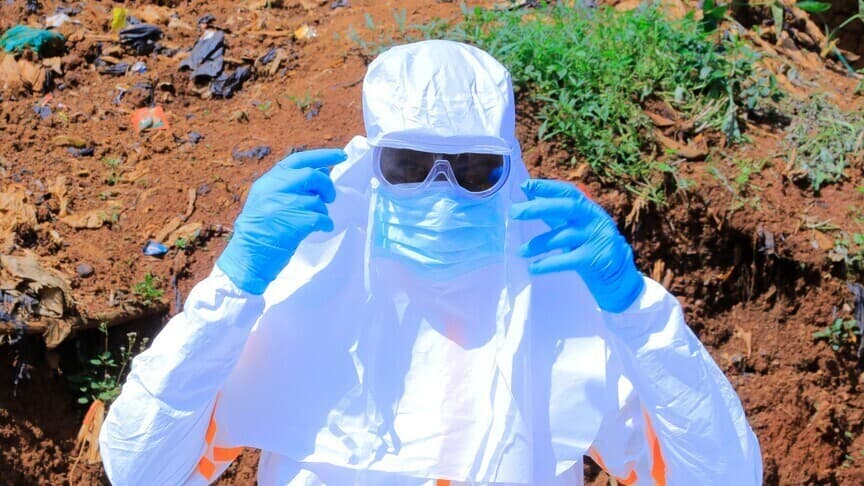
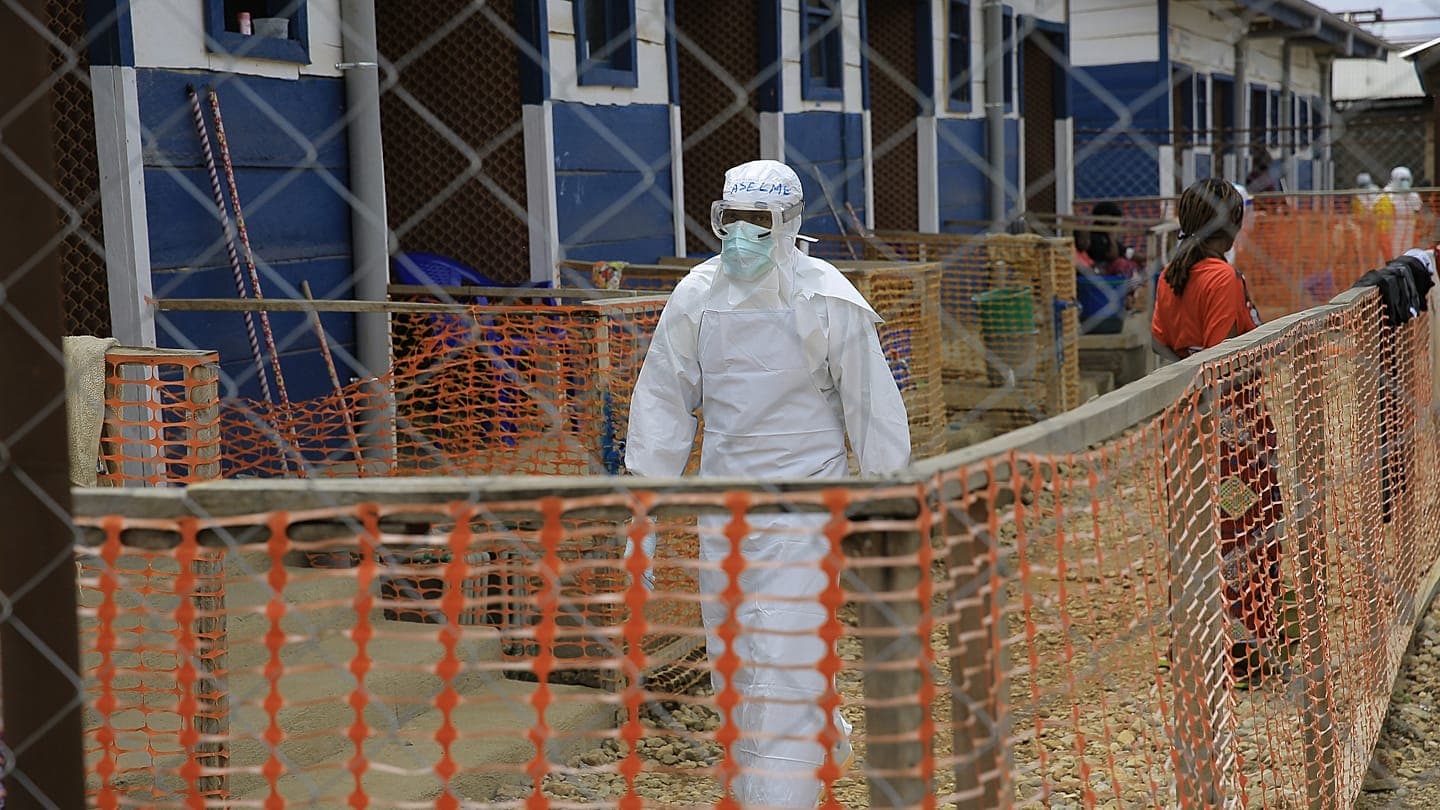
The Ebola outbreak that began in May in the Democratic Republic of the Congo has become the fastest-spreading and largest recorded epidemic of this disease. The Africa Centres for Disease Control and Prevention (Africa CDC) told the AFP agencythat the death toll has reached 5,376 people: 5,372 in the DRC and two each in Kenya and Uganda. According to the latest country data as of October 31, more than 10,000 people have been infected, and the fatality rate exceeds 50%. This is reported by Euronews.
Spread beyond the DRC
The virus has spread beyond the DRC, although most cases outside the country are linked to travel from the epidemic zone. Uganda recorded 20 cases — almost all in people who arrived from the DRC — and was declared Ebola-free in August. In October, Kenya reported nine infections: these are the first Ebola cases in the country's history. In the same month, Nigeria, Africa's most populous country, recorded a case in a 42-year-old Swiss citizen whose husband works at his country's embassy in Abuja; before returning home, the couple had travelled to Uganda.
Characteristics of the virus and treatment efforts
The outbreak is caused by the rare Bundibugyo virus, for which there is not yet an approved vaccine or treatment. The virus is transmitted through contact with bodily fluids and causes haemorrhagic fever. According to Euronews, in recent weeks clinical trials have begun of the Ervebo vaccine, which previously showed effectiveness against the more widespread Zaire strain of Ebola — meaning its efficacy specifically against the Bundibugyo virus has not yet been confirmed.