The key facts
- Ali al-Zaidi assumed the duties of head of the Iraqi National Intelligence Service after a visit to its headquarters in Baghdad.
- Hamid al-Shatri, appointed in December 2024, was dismissed without a public explanation of the reasons.
- Since May, al-Zaidi has already replaced the national security adviser and the heads of several security agencies.
Prime Minister takes personal charge of intelligence
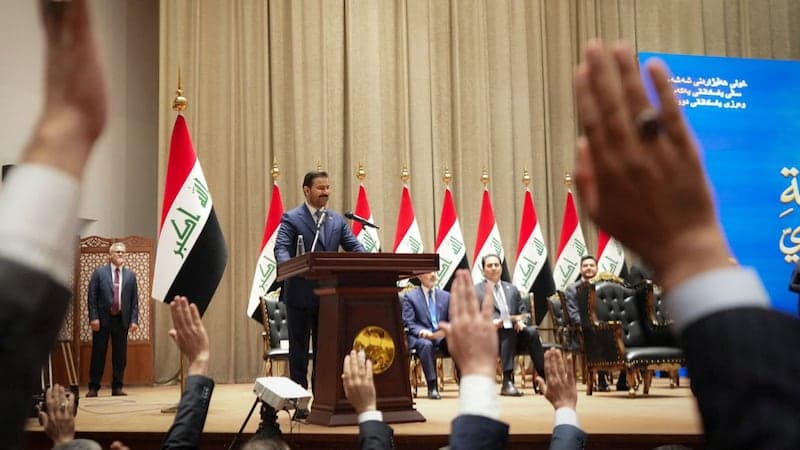
Iraq's Prime Minister Mohammed Shia al-Sudani's successor, Ali al-Zaidi, has taken the Iraqi National Intelligence Service under his personal control just days after dismissing its head. As government spokesman Sabah al-Numan reported, al-Zaidi, who also serves as commander-in-chief of the armed forces, assumed the duties of the service's head after a visit to its headquarters in Baghdad. The National reports this.
Al-Shatri's dismissal and its context
Hamid al-Shatri was removed from his post this week; the authorities did not publicly explain the reasons for his dismissal. In an official statement, the prime minister's decision to take charge of the service is linked to the
Who is al-Shatri and what is happening around him
Al-Shatri was appointed head of intelligence in December 2024 by then-Prime Minister Mohammed Shia al-Sudani; before that, he headed the National Security Service. After last November's parliamentary elections, he was mentioned as a possible candidate for prime minister during the protracted coalition negotiations that ended with al-Zaidi's appointment. As head of intelligence, al-Shatri led several delegations to Syria on counterterrorism and border security issues — while al-Zaidi has now taken over the service after his own visit to Syria, where he held talks with President Ahmed al-Sharaa.
Purge in the security apparatus
The reshuffle comes amid a deteriorating situation in Iraq and the region, including attacks on security facilities and renewed attention to the role of non-state armed groups. Baghdad is seeking to strengthen state authority and limit the influence of formations operating outside government control; the publication also notes pressure from the United States, which is demanding that the prime minister rein in pro-Iranian militias and fight corruption. Al-Zaidi has held the post since May, and in that time has already replaced the national security adviser as well as the heads of the National Security Service, the Counter-Terrorism Service, and the federal police.