The key facts
- The DPRK launched about 12 short-range missiles from the Wonsan area, with a range of about 250 km (according to South Korea's Joint Chiefs of Staff)
- On October 23 Seoul proposed military talks: joint verification of the demarcation line, restoration of communications, and measures against accidental clashes; no response has been received
- Background: a September 21 mine explosion wounded three South Korean servicemen; the UN Command recorded an armistice violation
Missile launches against the backdrop of a talks offer
North Korea launched about a dozen short-range ballistic missiles toward the sea on Thursday, October 29, South Korea's military ministry reported. According to the Joint Chiefs of Staff, the launches were made from the eastern coastal area of Wonsan at around 12:30 local time, and the missiles flew about 250 kilometers. Seoul has stepped up surveillance in case of further launches and is sharing information with the United States and Japan. This is reported by the English-language and Russian-language versions of Euronews.
Seoul's offer and Pyongyang's lack of response
The launches came a day after Seoul once again called for talks to prevent accidental clashes along the heavily fortified border. South Korea first proposed military talks on October 23: a joint verification of the position of the Military Demarcation Line, the restoration of military communication lines, and agreement on measures against unintentional incidents. Unification Minister Chung Dong-young repeated the call on Wednesday at a forum in Goyang: “The South and the North must align their positions on the MDL through dialogue”. North Korea has not yet responded to the offer.
The mine incident and the state of the demarcation line
The offer of talks followed mine explosions in the Demilitarized Zone on September 21, in which three South Korean servicemen were wounded, two of them seriously. Seoul accused the North Korean military of laying mines south of the demarcation line; Pyongyang denies involvement and stated in a letter to the UN Security Council that the incident was fabricated. The US-led UN Command, which monitors the armistice, reported that a joint investigation with South Korea found an active North Korean mine south of the line and classified this as a violation of the armistice.
Why Seoul speaks of the risk of accidental clashes
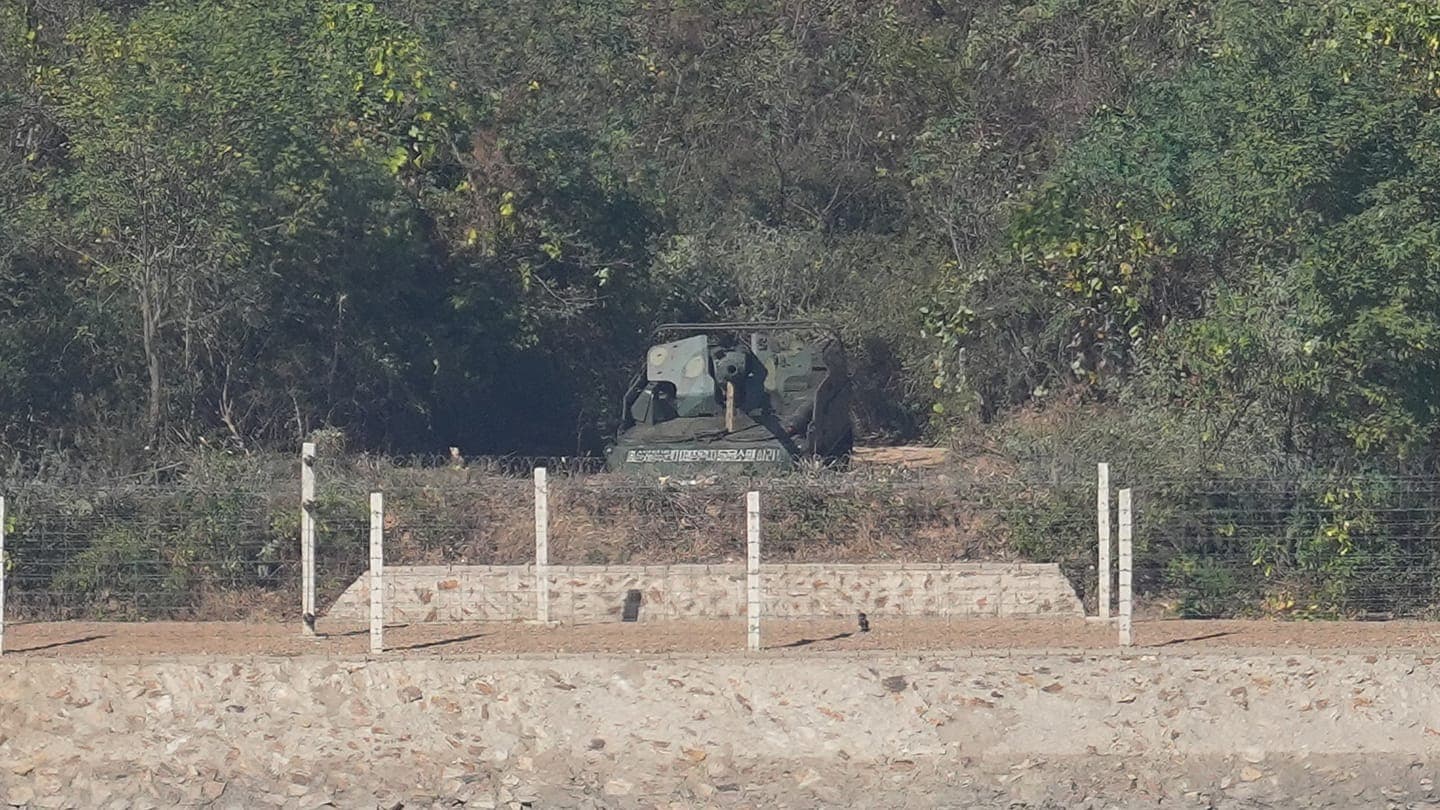
According to South Korea, the North Korean military is fortifying the border — building roads and fences and laying mines — and during this work they have repeatedly crossed the demarcation line, forcing the South Korean side to fire warning shots and broadcast audio warnings. Seoul warns that discrepancies in the interpretation of the border could lead to unforeseen clashes: according to Yonhap agency data cited by Euronews, of the original 1,292 border markers established under the 1953 armistice agreement, only about 200 can now be identified. Direct military communication channels between the two Koreas have been cut; the UN Command maintains a separate channel with the North Korean military.