The key facts
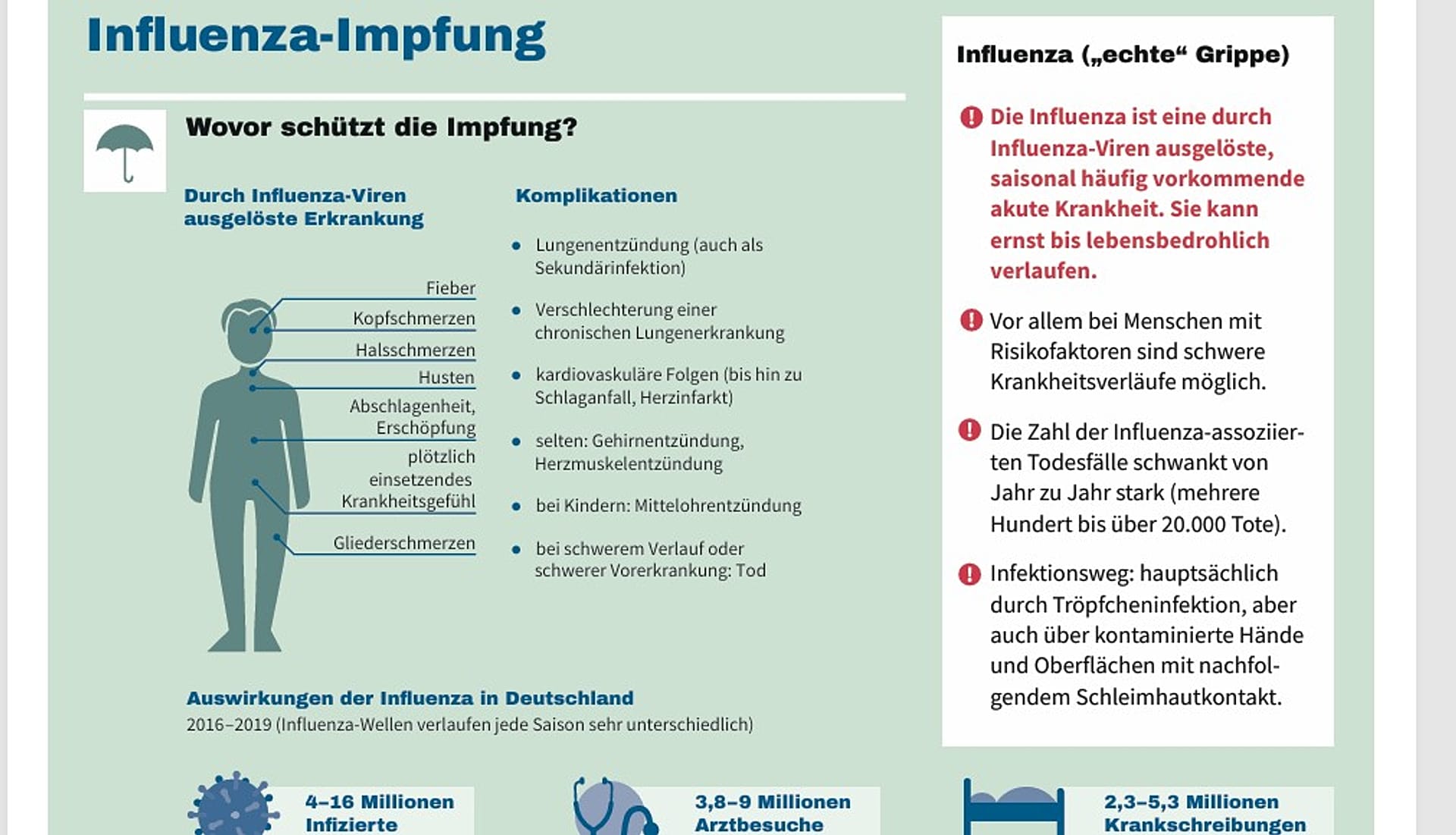
- Flu vaccination coverage among people 60+ in Germany in 2025 was 34% — the lowest level in 17 years (Ärzteblatt citing RKI).
- The COVID-19 vaccination recommendation has been narrowed: it is not fully reimbursed for all insured patients; in 2025 only 16% of people over 60 received a booster.
- In addition to flu, older people are recommended pneumococcal and shingles vaccinations; RSV vaccination should be discussed with a doctor.
Vaccination coverage is declining
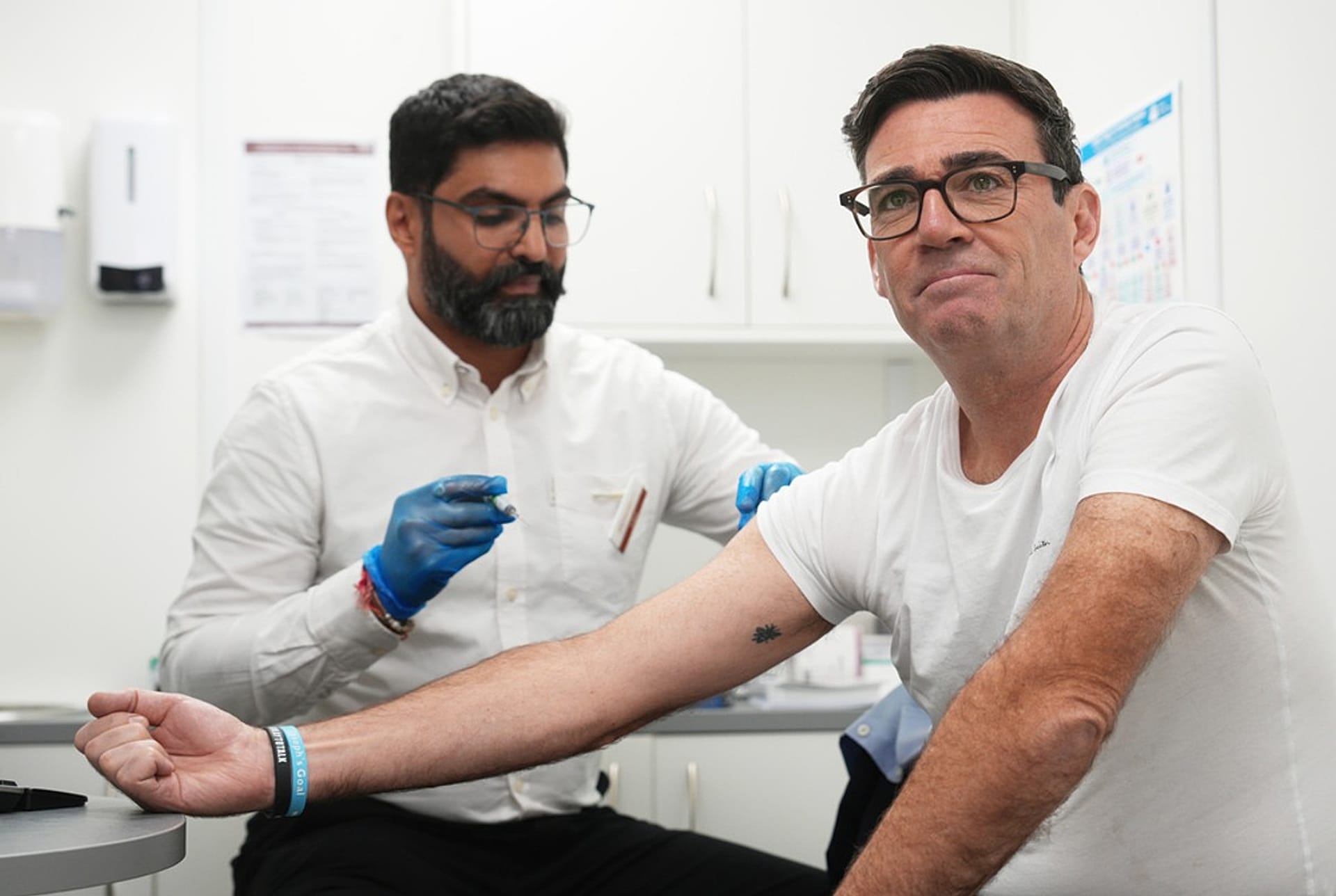
In autumn 2026, flu vaccination campaigns are making notable progress in the UK and the US: Prime Minister Andy Burnham (56) got his shot publicly in front of cameras, and New York Mayor Zohran Mamdani (35) appeared as early as the beginning of October wearing an 'I got my flu shot' badge. In Germany, by contrast, there is no such buzz: according to the medical journal Ärzteblatt, citing the Robert Koch Institute (RKI), in 2025 only 34% of people aged 60 and over were vaccinated against flu — the lowest figure in 17 years.
Who is recommended to get vaccinated, and against what
According to RKI recommendations, flu vaccination is indicated for people aged 60 and over, everyone with chronic illnesses, residents of care homes, medical staff, pregnant women, and also those who have contact with certain animals, such as pigs or poultry. For older people, in addition to the flu shot, Germany recommends immunization against pneumococci and shingles (herpes zoster); the question of vaccination against the respiratory infection RSV should be discussed with a doctor.
COVID-19: recommendations narrowed
Coronavirus vaccination is now recommended only for people over 75 and members of risk groups — for example, patients with weakened immune systems and healthcare workers; immunization is also indicated for pregnant women with health risks. Because of the narrowed recommendation, COVID-19 vaccination is now not fully reimbursed for all patients with statutory health insurance. According to RKI, as early as 2025 only 16% of Germans over 60 received a COVID-19 booster.
The childhood vaccination schedule and measles
For infants and young children in Germany there is a separate vaccination schedule: it provides for immunization, among other things, against RSV, tetanus, diphtheria, whooping cough, polio, hepatitis B, meningitis, measles, rubella and mumps. The Measles Protection Act requires proof of vaccination or immunity for children before admission to kindergarten or school, as well as for staff born after 1970 at childcare and medical facilities. Against the backdrop of outbreaks of severe measles cases in the US caused by insufficient vaccination protection, this requirement remains relevant in Germany.
Effects beyond protection from disease
A number of studies suggest that vaccination may also provide benefits beyond protection against a specific infection. Research is underway into how far the flu shot protects against cardiovascular complications and which vaccines may help prevent dementia. Deutsches Ärzteblatt reports on data on so-called heterologous (non-specific) effects, in which vaccination also alters the immune response to other pathogens and diseases.