The key facts
- Resolution PQ–387 of October 27, 2026 introduces a 50% incentive on land and property tax for tourism at reservoirs
- Customs payments for GPS equipment, rescue and sanitary equipment can be deferred or paid in installments over 120 days
- Entrepreneurs are required to organize a rescue service and local treatment facilities
Tax and customs incentives
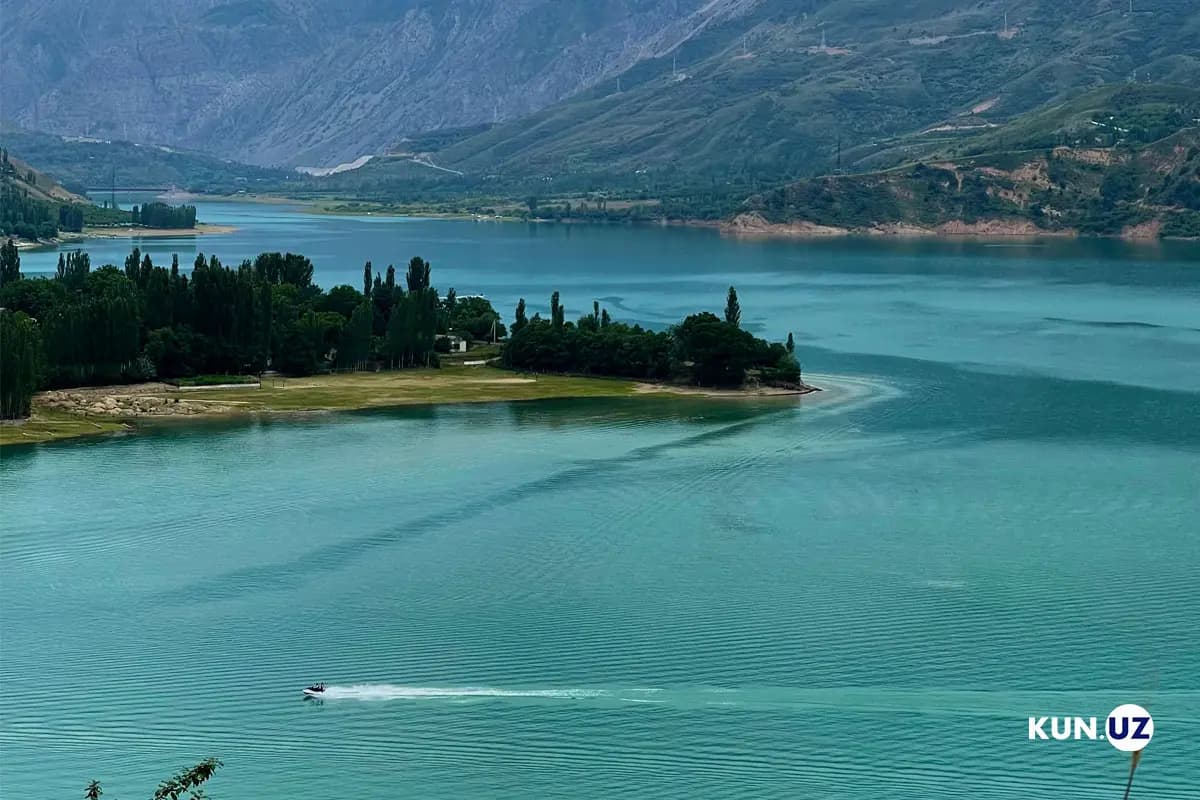
On October 27, 2026, the President of Uzbekistan signed resolution PQ–387 as reported by Kun.uz with reference to the published document. The document provides for support of tourism on the shores of reservoirs, including a 50 percent incentive on land and property tax for entrepreneurs operating in this sector.
Equipment with deferred payments
When importing GPS devices intended for use on water, rescue and protective gear, as well as modern sanitary facilities, into Uzbekistan, customs payments may be deferred or split into installments for a period of 120 days. This measure reduces entrepreneurs' initial costs for equipping their facilities.
Mandatory safety and environmental requirements
The incentives come with mandatory conditions. Tourism facilities at reservoirs must be equipped with means to ensure visitor safety, protect health, and prevent emergencies. Entrepreneurs are required to organize their own rescue service or conclude an agreement with professional rescue organizations and arrange duty shifts; they must also comply with requirements for the safe use of small vessels and buildings for their storage.
Requirements for wastewater and waste
On the environmental side, facilities must comply with the requirements established for water protection zones and coastal areas. To prevent the discharge of wastewater into water bodies, internal sewage networks and local treatment facilities become mandatory. Household waste generated at tourism facilities must be disposed of in accordance with established procedures.
What this changes in practice
Thus, resolution PQ–387 links financial incentives — the land and property tax incentive and the deferral of customs payments — with specific safety and environmental obligations. For entrepreneurs already operating or planning to operate at reservoirs, this means both a reduction in the tax burden and the emergence of new expenses for a rescue service and treatment facilities, which are now mandatory for obtaining the right to operate in this sector.