The key facts
- Rubio demands the electoral infrastructure be replaced «quickly,» not in 2–10 years
- He called the Supreme Tribunal and the National Electoral Council instruments of fraud under Maduro
- Venezuela remains under sanctions but operates on the basis of US authorizations
Demand for rapid replacement of the electoral system
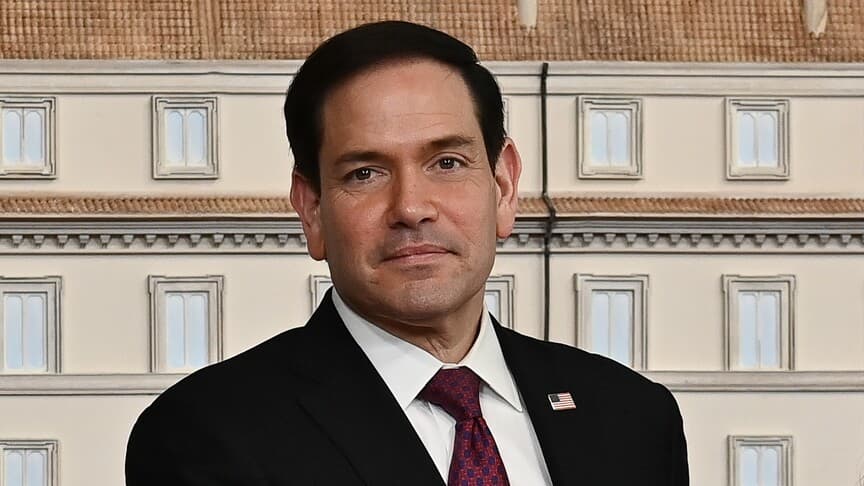
US Secretary of State Marco Rubio said on Monday that Venezuela must replace the electoral infrastructure created during the Nicolás Maduro era «quickly» — only then can future presidential elections be considered valid. «This infrastructure needs to be replaced for the elections to be legitimate. Not in 10 years, not in five, not in two — it must happen quickly, within the timelines we have set,» he said during a teleconference with journalists, reports Anadolu.
Who, according to Rubio, controls the elections
Rubio claims that the current electoral system was «designed by the Maduro regime to rig elections,» citing in this context the Supreme Tribunal of Justice and the National Electoral Council. «How can legitimate elections be held in Venezuela when the Electoral Council is controlled by people loyal to one side?» he said.
Timelines, sanctions and risks of derailing the transition
He warned that the transitional authorities cannot drag out the process: «No one will wait while we stall.» According to him, the timelines have been agreed upon, and so far the Venezuelan side has met each of them. At the same time, Rubio noted, Venezuela remains under heavy sanctions and operates on the basis of US authorizations and general licenses. He also cautioned that derailing the agreed political transition could lead to a return of authoritarian rule or a resumption of armed conflict, but expressed confidence that the transitional authorities will maintain cooperation: «If the transitional authorities try to harm this process or stop fulfilling the conditions, we will have problems. But I do not expect that.»
Trust in Rodríguez and Machado's return
Answering a question about trust in the head of the transitional authorities, Delcy Rodríguez, Rubio said that Washington judges her «not by rhetoric but by actions,» and gave an example: Venezuela extradited Alex Saab — a close associate and former minister in the Maduro government, who «pleaded guilty and is now a cooperating witness.» Regarding the return to the country on Sunday of opposition leader María Corina Machado, Rubio said that Washington had told the transitional authorities several weeks ago that she «should be allowed to return,» and they replied that «she will not be bothered.»
Context of the transition process
Talks about the transition are underway following the US military operation in Caracas on January 3, during which Nicolás Maduro and his wife Cilia Flores were captured and taken to New York to face drug trafficking charges. At the time, President Donald Trump said the US would help «run the country until a safe, proper and sensible transition of power takes place.» On January 5, then-Vice President Delcy Rodríguez was sworn in as interim president before the National Assembly — two days after Maduro's capture.