The key facts
- Poland and the UK signed a three-year defence cooperation plan at a meeting in Warsaw
- Key areas: new technologies, AI, drones and counter-drone systems, deterrence capabilities, exercises
- The ministers declared unity on Ukraine; Streeting called Russia's hybrid attacks «state terrorism»
A three-year plan as a continuation of the treaty
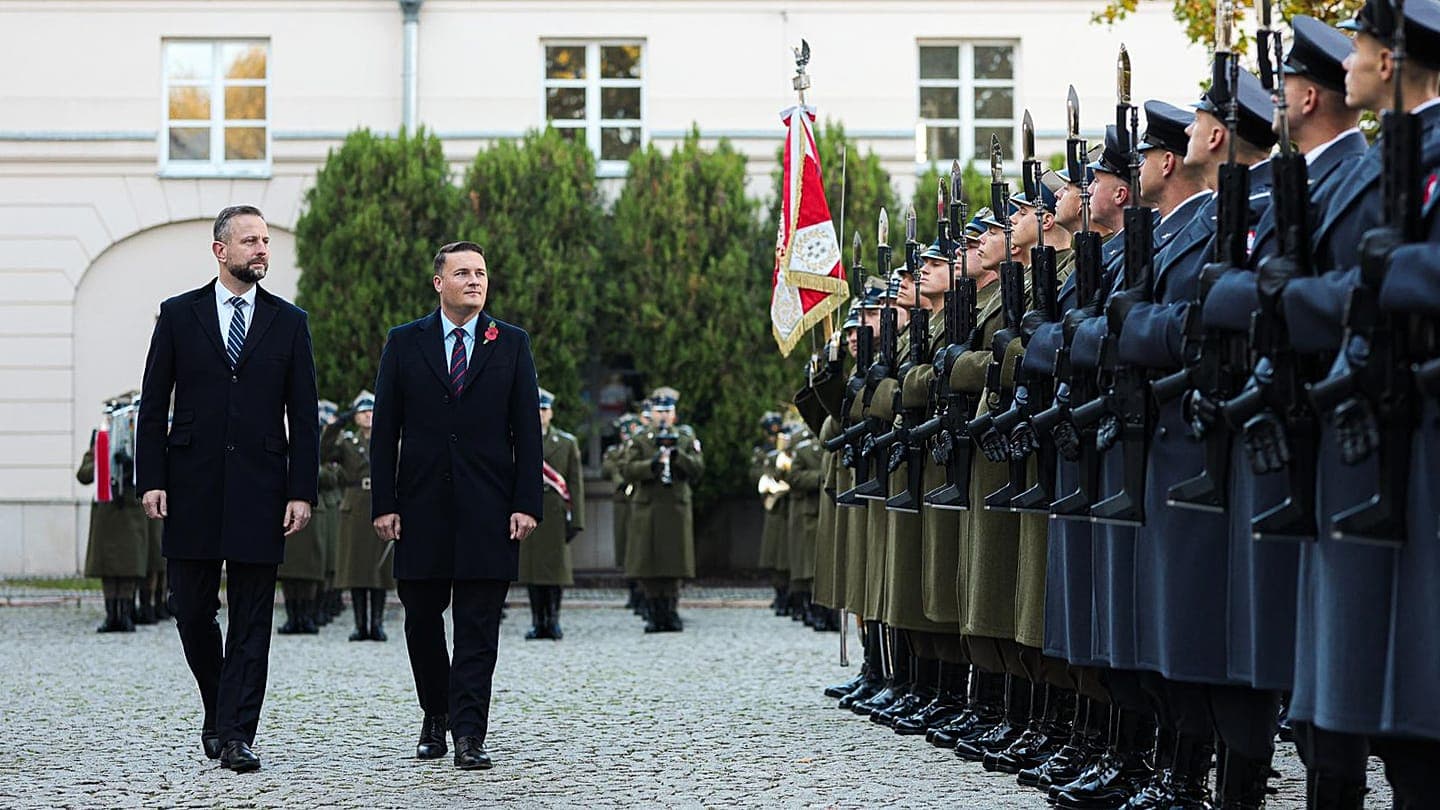
On Tuesday in Warsaw, a bilateral meeting took place between Deputy Prime Minister and Minister of National Defence of Poland Władysław Kosiniak-Kamysz and UK Defence Secretary Wes Streeting, following which the two countries signed a three-year defence cooperation plan. According to euronews, the Polish Ministry of National Defence stresses that the plan is the result of the Polish-British treaty approved several months ago — that is, it is not a one-off initiative but the practical implementation of an already adopted document.
Areas of cooperation
Kosiniak-Kamysz named the main areas of joint work: new technologies, artificial intelligence, drones and counter-drone systems, modern deterrence capabilities, as well as traditional exercises to practice interoperability in various conditions. He also listed specific joint initiatives: the Miecznik programme, which, in his words, is on schedule, the creation of an integrated air defence system (the Narew, Pilica and Pilica+ programmes) and a project for an independent production line for 155 mm ammunition.
Ukraine, hybrid attacks and the position on the US
The ministers declared complete unity and coordination between the two countries on the issue of supporting Ukraine. Streeting touched on Russia's hybrid attacks against Poland, directly calling them terrorism: «I prefer to call it simply state terrorism — the daily mobilisation of your forces and air defences in connection with drone incursions», — euronews quotes him as saying.
Relations with the US and the context of the Ukraine talks
Relations with the United States were a separate topic. Kosiniak-Kamysz stated that both countries stand for strengthening the transatlantic alliance and building up Europe's own capabilities, but not for independence from the US. The interlocutors also discussed the diplomatic track on Ukraine: the new round of talks will be the fourth organised by the Trump administration, after the round in Geneva in February. According to a Kremlin spokesman, the next talks will probably take place in Abu Dhabi around mid-November. Western governments supporting the peace initiative are looking for a way out of the deadlock, acknowledging that territorial and security issues remain unresolved; the European Commission and the Council of the EU are working on establishing a joint group that will represent the European Union's position.