The key facts
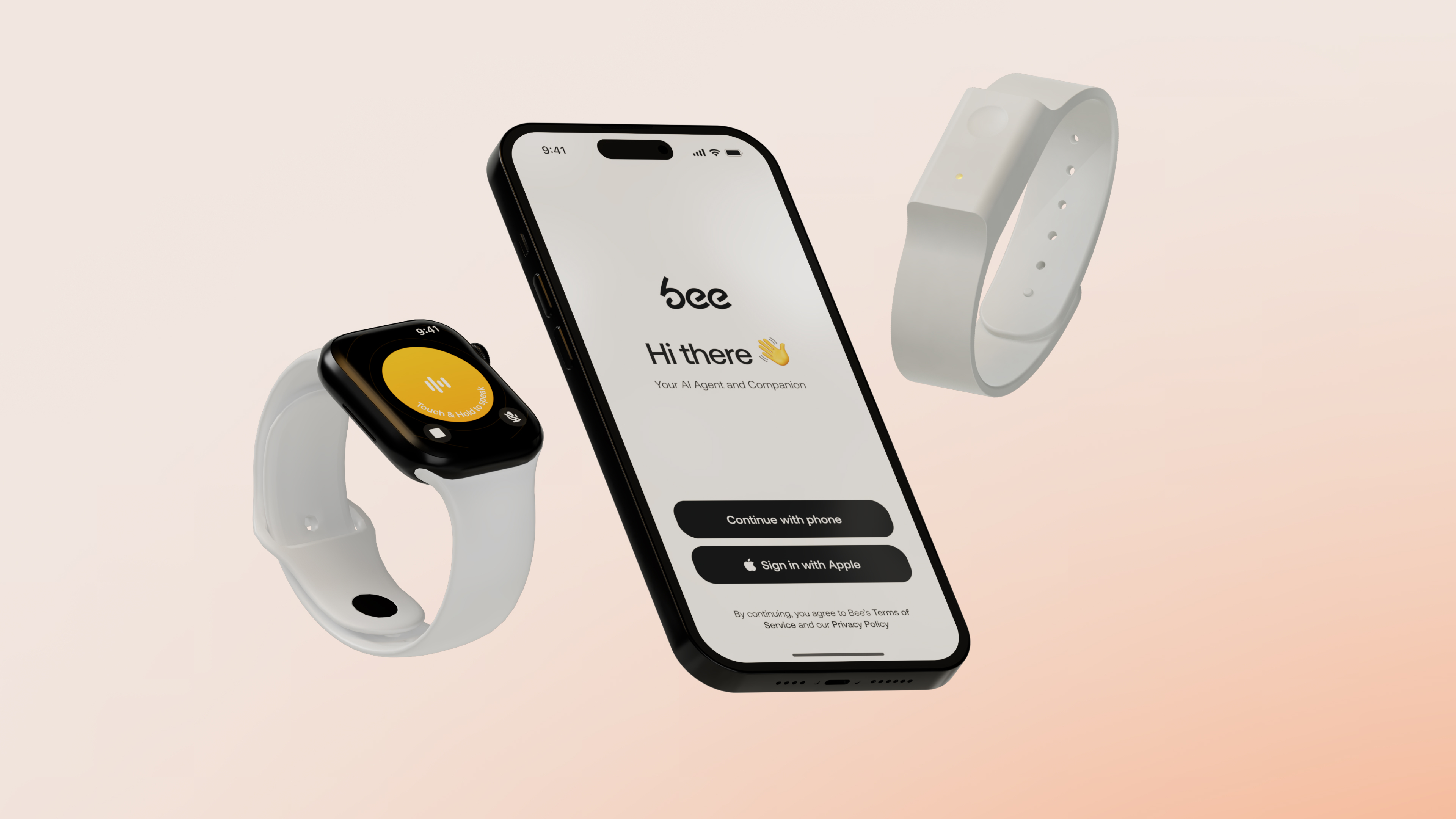
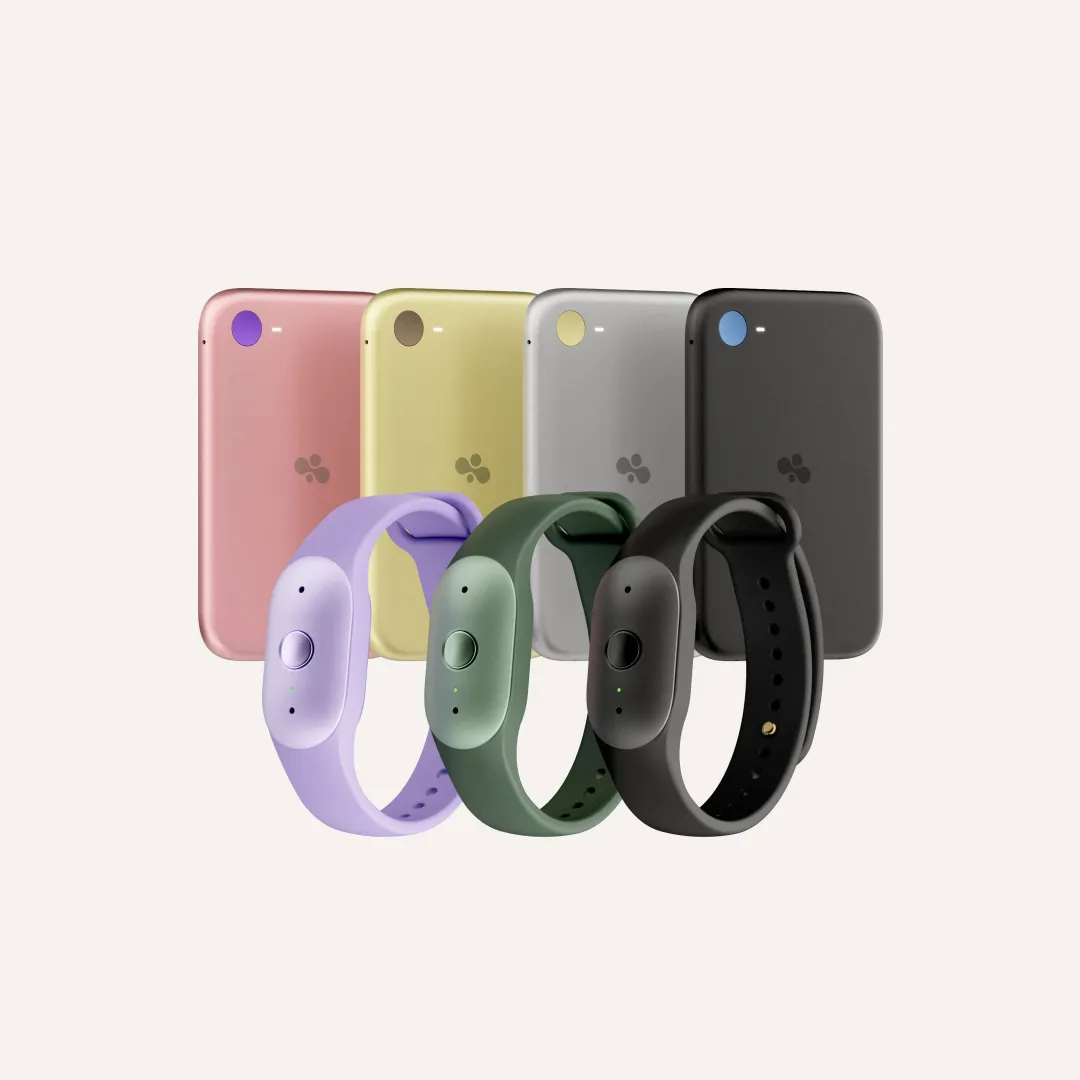
- After acquiring the Bee startup in July 2025, Amazon released two new devices: the $74.99 Bee Frontier and the $99.99 Bee Eclipse
- After acquiring the Bee startup in July 2025, Amazon released two new devices: the Bee Frontier for $74.99 and the Bee Eclipse for $99.99
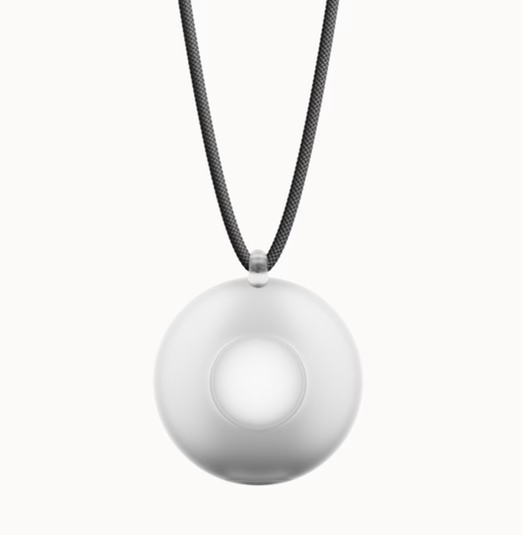
- Friend updated its $129 pendant to version 2.0 with a built-in speaker following criticism of its New York subway ad campaign
- Friend updated its $129 pendant to version 2.0 with a built-in speaker after criticism of its New York City subway ad campaign
- Nirva, founded by former Meta Reality Labs employees, raised $33 million and plans to start selling its $249 device in November
The new AI gadget market: from recording pendants to 'electronic friends'
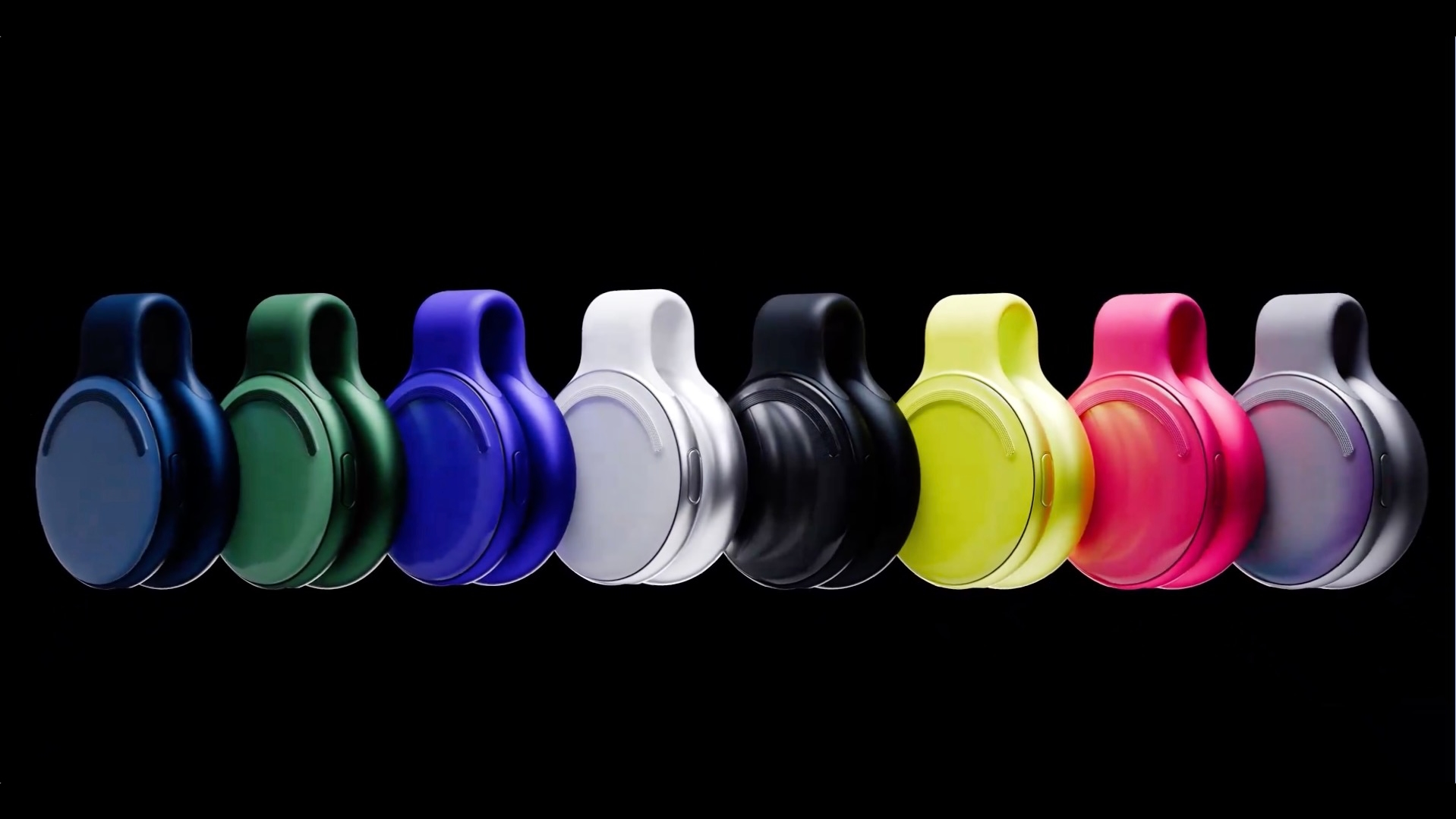
On October 25, 2026, TechCrunch published a roundup of the most notable AI wearablesavailable on the market. The outlet notes that such gadgets — pendants, rings, bracelets and handheld devices — fall into two camps: productivity tools for recording and summarizing conversations, and 'companions' positioned as friendly interlocutors that listen to their owner's everyday thoughts. According to TechCrunch, even OpenAI is working on a compact companion devicealthough, as previously reported, the company's next major product will not be a wearable gadget.
Bee under Amazon's wing and rivals in conversation recording
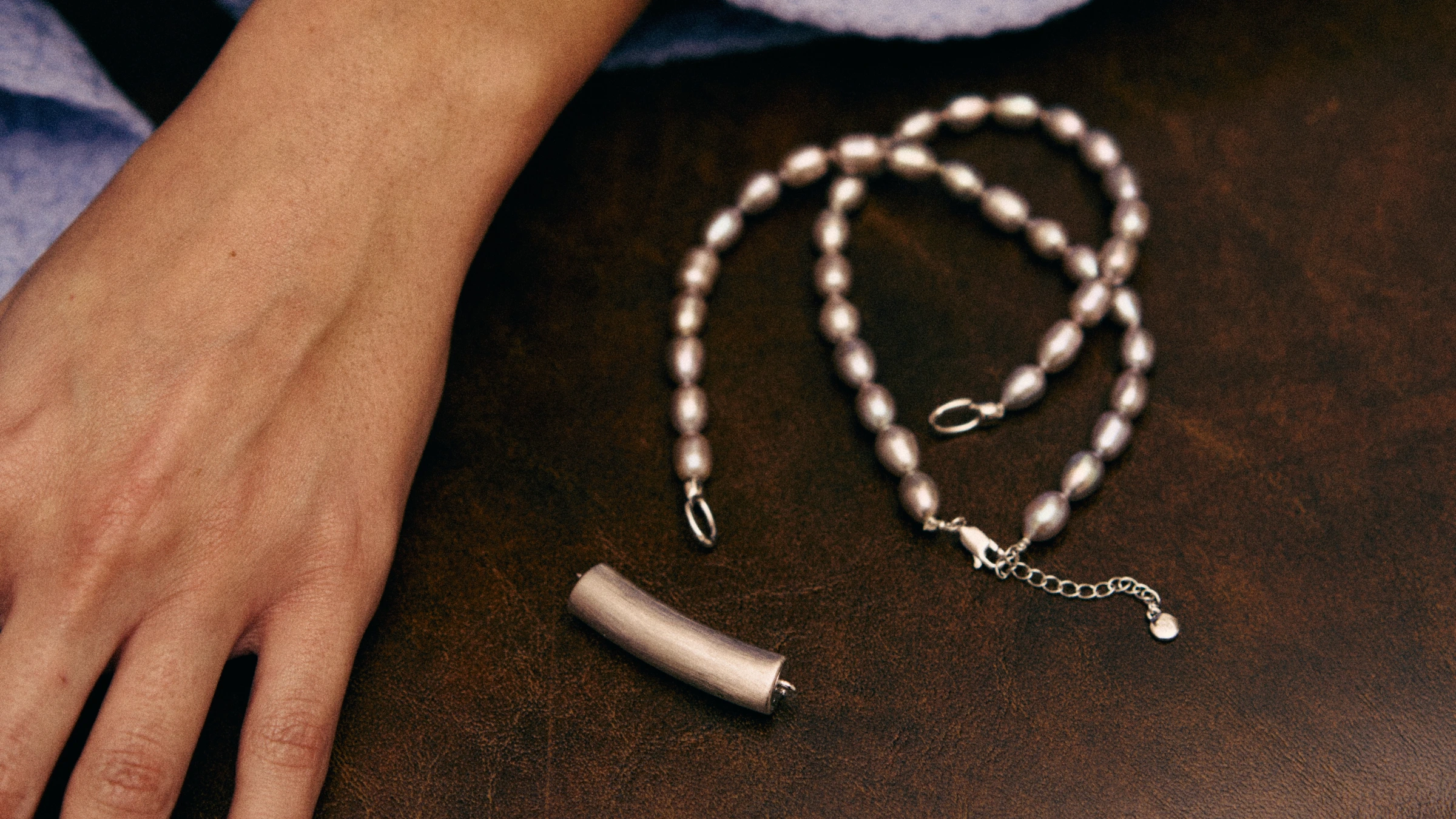
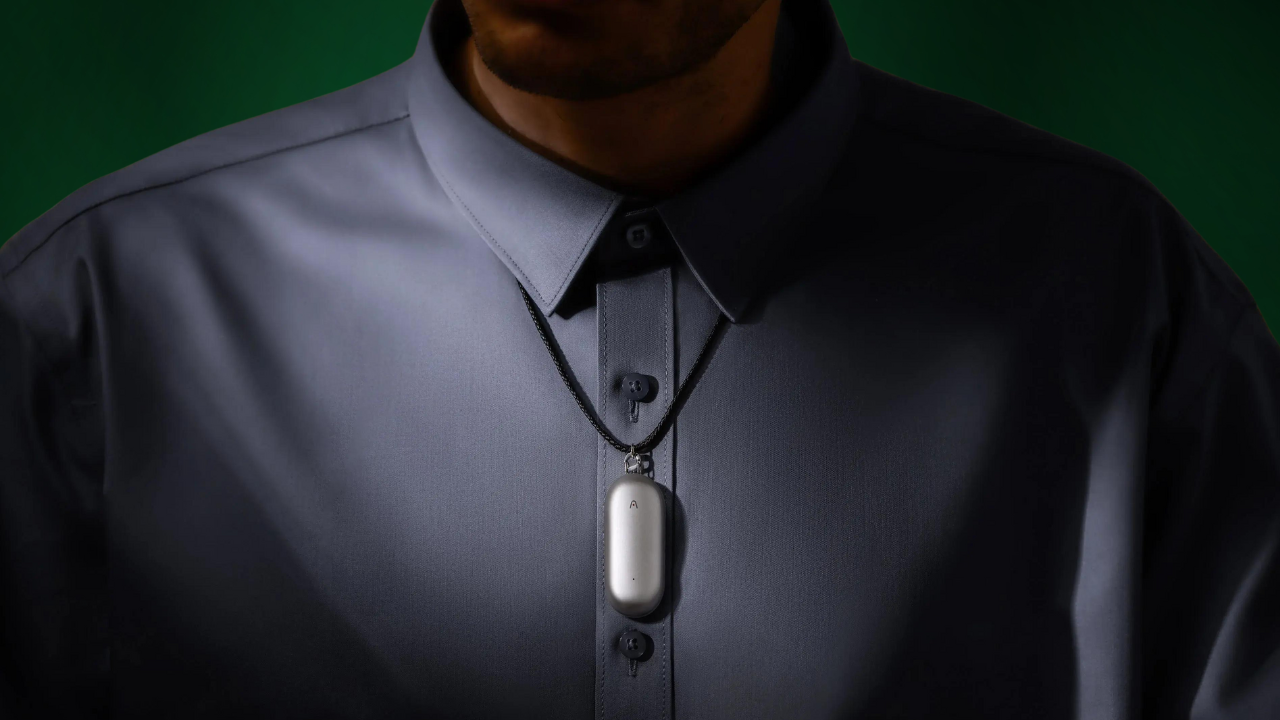
The $49.99 Bee pendant records everything it hears, learns its owner's habits and creates reminders; the device has a mute button. The app (iOS only for now) is included in a $19-per-month subscription. Amazon acquired the startup in July 2025 and in early October 2026 unveiled two new devices: the $74.99 Bee Frontier bracelet-pendant and the credit-card-sized $99.99 Bee Eclipsewhich attaches magnetically to a smartphone. Both can be connected to Alexa; TechCrunch positions them as a more affordable alternative to the Plaud Note and NotePin.
Friend, Limitless and Meta's Muse Charm
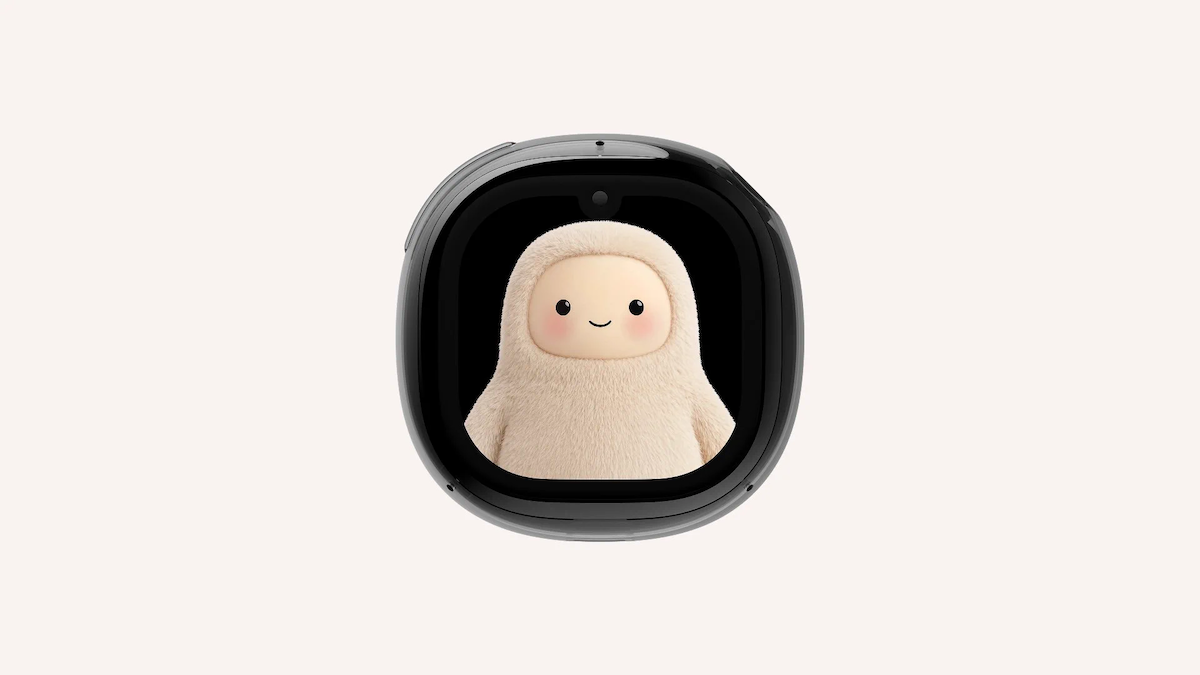
The $129 Friend pendant works as an 'emotional support companion': it recognizes tone and mood, constantly listens via a Bluetooth connection to the phone, and can send proactive messages. The device has faced criticism: vandals defaced its New York subway ad campaign with graffiti reading things like 'surveillance capitalism,' and the startup spent more than $1 million on the campaign. Recently the company introduced the 'Friend 2.0' update with a built-in speaker and a more pronounced personality. Limitless (formerly Rewind), priced at $99, transcribes meetings and calls — with participants' consent — into searchable notes; the app offers 10 hours of AI features per month, with unlimited use costing $29 per month. In September, Meta introduced its first AI wearable, the Muse Charm: a pocket-sized gadget with a mini display showing an avatar named Jolly; the device has not yet shipped to customers.
Nirva, Omi, Plaud, Rabbit R1 and Sandbar
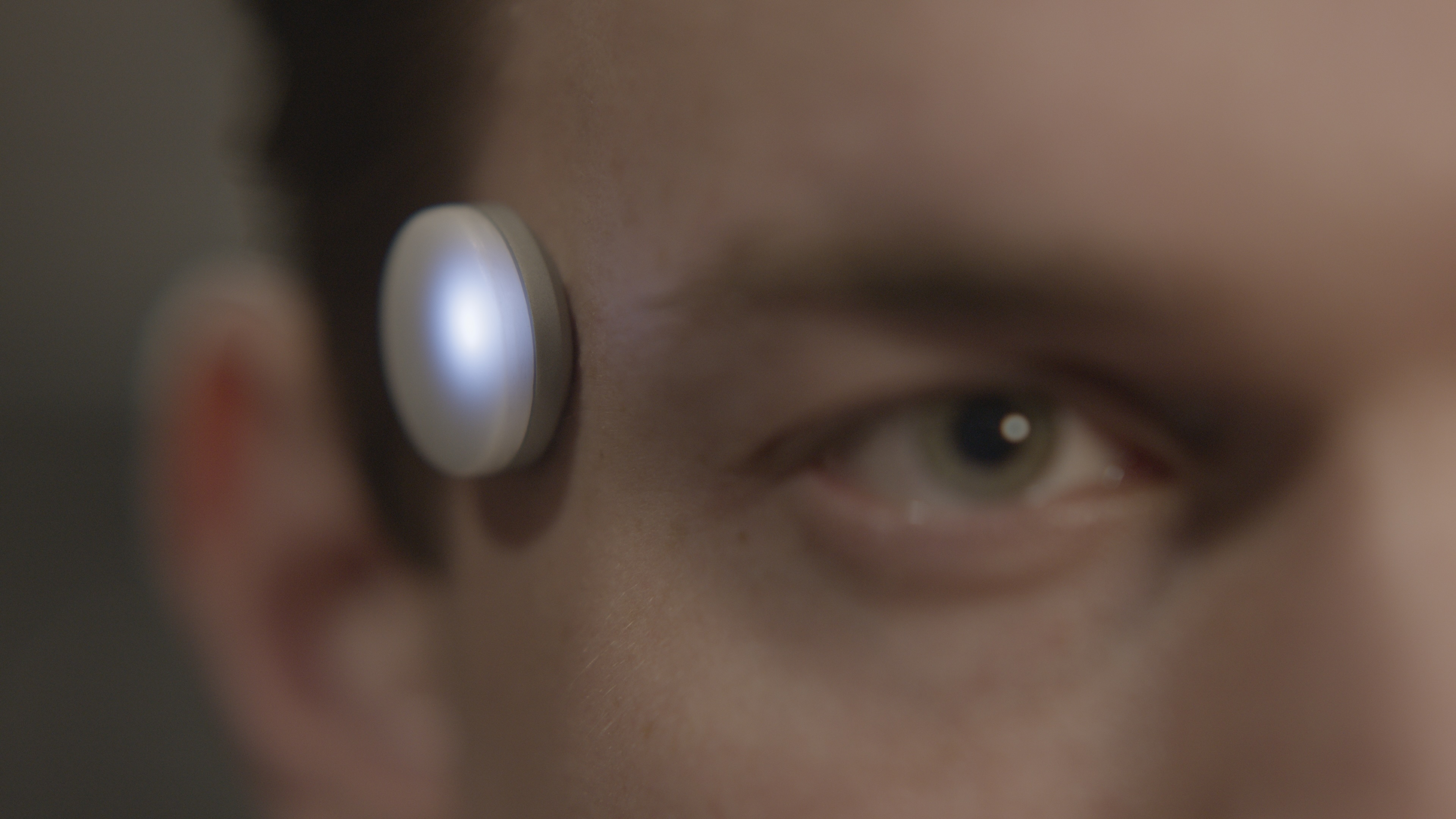
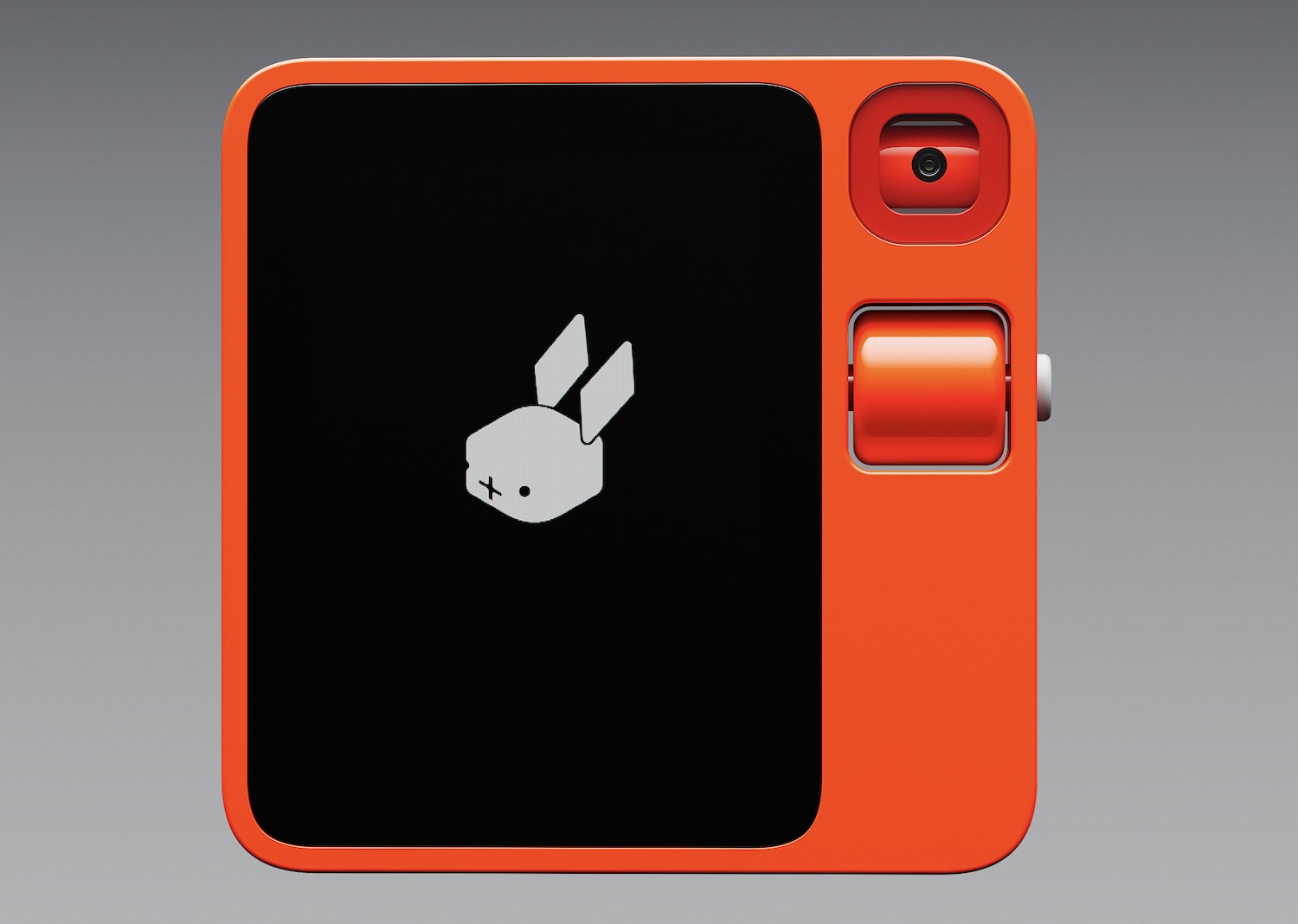
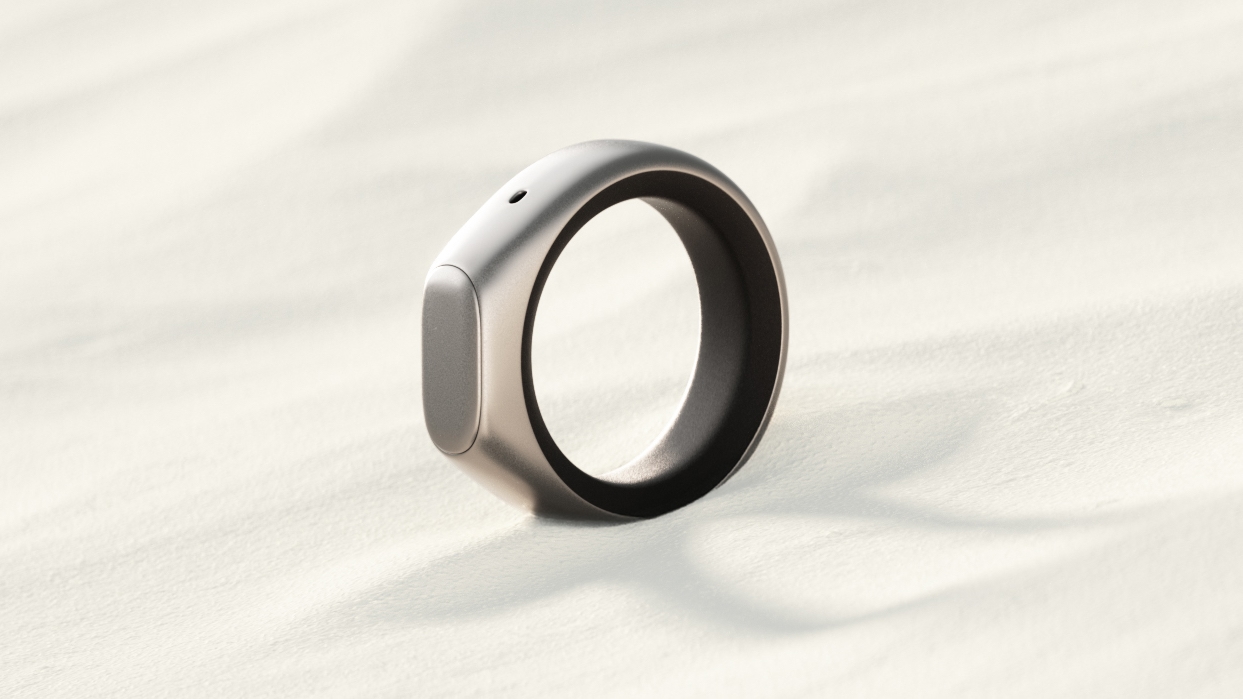
Nirva — a startup founded by former Meta Reality Labs employees— makes a $249 device that turns everyday conversations into a personal diary and helps analyze emotions and communication style; orders open in November, with shipments to early users scheduled for the end of the year. The $89 Omi runs conversations through ChatGPT, answers questions and compiles task lists; it can be worn as a pendant or attached with a medical adhesive patch near the temple. The $159 Plaud NotePin offers transcription (300 free minutes per month, or 1,200 minutes on the $8.33 Pro plan) and is aimed at lawyers, journalists and students; the company is also preparing to release the ultra-thin $179 Plaud Note Prowhich is open for pre-order. The $199 Rabbit R1 is a pocket gadget with a touchscreen and a rotating camera; after a rocky start and performance problems a software update added a 'Creations' feature for building custom tools and games. Finally, Sandbar, which emerged from stealth with a $23 million Series A roundis preparing a summer launch of the $299 Stream ring with a microphone that is off by default.
Why it matters
The roundup shows that the AI wearables market is fragmenting rapidly: major players like Amazon and Meta are entering it through acquisitions and in-house development, while prices are dropping to mass-consumer levels — starting at $49.99 for Bee. For buyers this means a growing choice, but also new privacy questions: devices like Friend and Omi listen constantly, and New Yorkers' reaction to Friend's advertising shows that part of the audience views such products as 'surveillance capitalism'. It remains unclear which devices will find sustained demand: the Muse Charm has not shipped yet, Nirva is only just opening orders, and some sales data is missing from the sources.