The key facts
- Putin proposed a trilateral meeting with Trump and Xi Jinping on a way out of the war in Ukraine
- Trump, according to Euronews, confirmed the idea without naming a date and mentioned possible denuclearization
- The columnist urges Europe to develop its own peace plan and appoint a negotiator with a political mandate
The proposal for a trilateral meeting
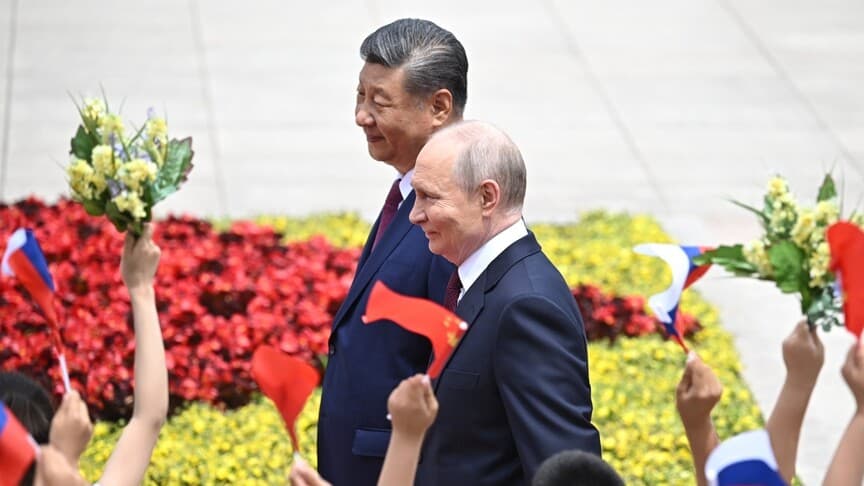
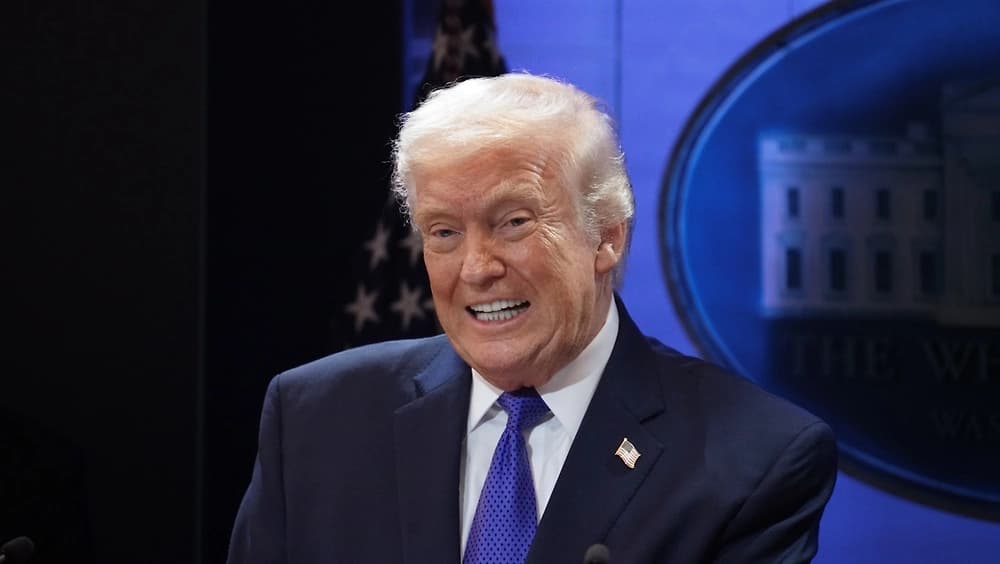
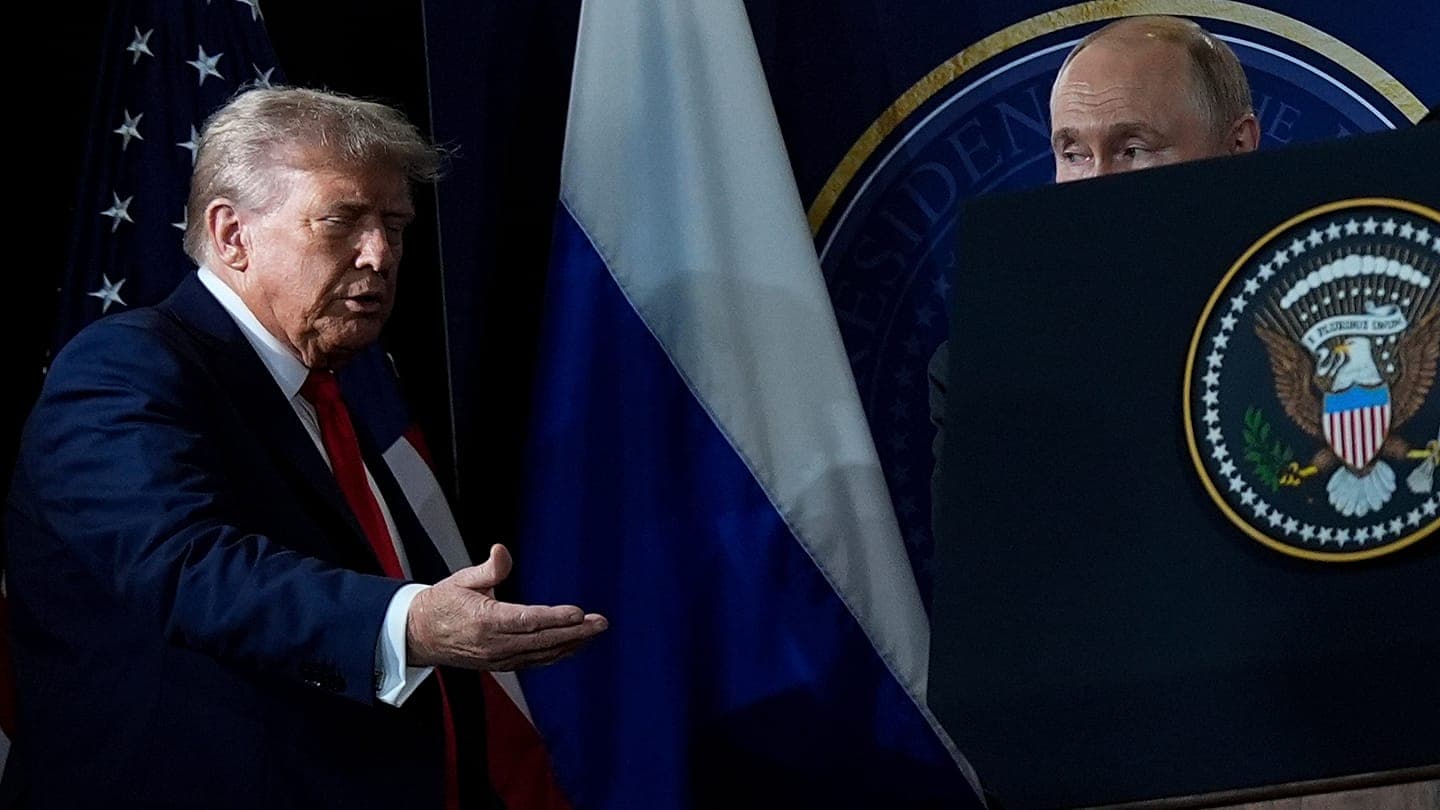
Russian President Vladimir Putin has proposed holding a trilateral meeting with US President Donald Trump and Chinese leader Xi Jinping to discuss a way out of the war in Ukraine, which, as Euronews notes, was started by Putin himself. According to the outlet, Trump confirmed the proposal without naming a date, adding that such a meeting could benefit peace if it included denuclearization. In his Off the Record column from Brussels, the Euronews columnist calls this news shocking and sees in it Putin's attempt to stage a 'Yalta 2.0' — a summit that would restore Russia's status as a great power.
The parallel with 1945
The author recalls that in 1945 Roosevelt, Churchill and Stalin gathered in Yalta to divide the postwar world; the conference laid the groundwork for spheres of influence in Europe, and the USSR subsequently consolidated control over almost all of Eastern Europe. Churchill, according to the author, left the conference disillusioned, foreseeing the division of the continent by an 'iron curtain' and the de facto loss of Poland, the Baltic states, most of Central Europe and part of the Balkans. The outlet also notes that Yalta itself has been under Russian occupation since 2014, following the annexation of Crimea by Moscow, which Euronews calls illegal.
The stakes for Europe
If a meeting of Trump, Xi and Putin takes place, it is assumed that Ukraine and Taiwan will be on the agenda, while the rest of the world, in the author's logic, would be forced to accept a behind-the-scenes deal. Euronews believes that in such a scenario Putin would emerge as the winner, and Trump's participation would be Moscow's biggest strategic success since the collapse of the USSR — while the US president would alienate America's allies, who, in the author's view, are critically important to Washington. For Europe, which is 'also on the chopping block' in this arrangement, a deal made behind Kyiv's back would mean the end of transatlantic relations and the undermining of NATO deterrence.
What the author proposes to Brussels
The author argues that Brussels may consider itself a participant in the process, but much is already happening behind its back. Europe needs its own peace plan and a clear definition of an acceptable outcome — for Ukraine and for the EU itself. This, in the columnist's view, would force the European Union to answer uncomfortable questions: about the territories Ukraine may not recover, and about security guarantees, including a troop presence on the ground — and not only from France and the United Kingdom. It is also proposed to secure funding for Ukraine, since support is becoming more expensive and losing popularity amid cost-of-living protests. The key recommendation is to appoint an envoy with a political mandate capable of securing a seat at the negotiating table; the strategy of 'whispering to Trump,' in the author's opinion, does not work. 'If you are not at the table, you are on the menu,' he concludes.
Context and limitations
It should be noted that this piece is an opinion column with a pronounced evaluative stance: the very idea of the meeting, its format and its consequences are presented based on the Euronews author's account, while Trump's confirmation is relayed without a direct quote and without a date. The details of a possible meeting — the venue, agenda and timing — have not yet been disclosed by any of the parties involved.