The key facts
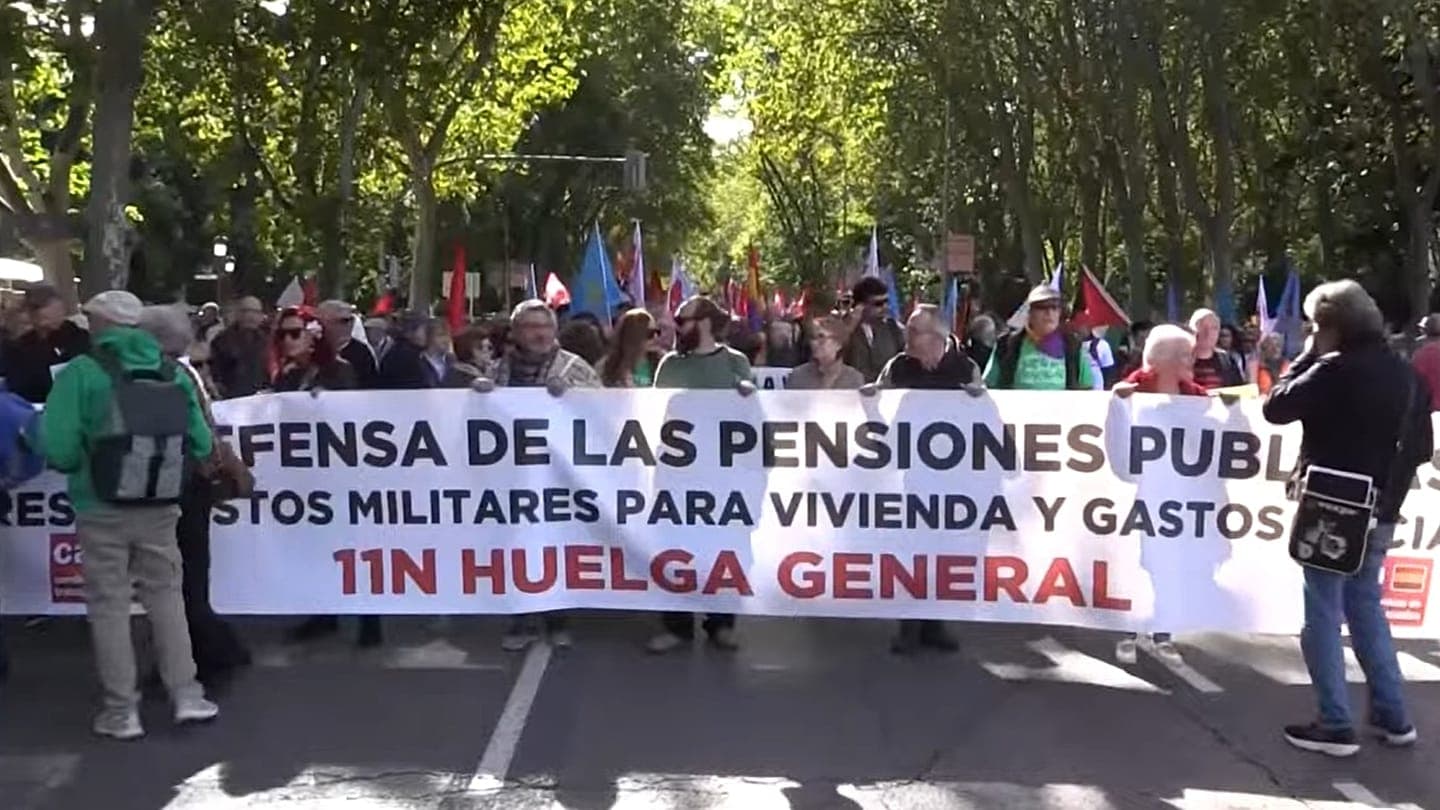
- In Madrid on October 24, thousands of people marched from Atocha station to Alcalá Street demanding improvements to the pension system
- Key demands: indexation according to real inflation, a minimum pension no lower than the minimum wage, eliminating the gender gap, and rejecting privatization
- France has deployed 70,000 police officers and gendarmes; in Italy, 1,500 officers in Rome and 1,800 in Milan
March in Madrid
On Saturday, October 24, a rally in defense of the state pension system took place in Madrid. It was organized by the pensioners' movement, with support from trade unions, including the General Confederation of Labour (CGT). The march began at 12:00 at Atocha station and proceeded through the center of the Spanish capital to Alcalá Street near the Sevilla metro station, Euronews reported. According to the outlet, thousands of demonstrators took to the streets.
Demands of the participants
The demonstrators demanded pensions that guarantee a decent standard of living both for current pensioners and for future generations. Among the key demands are indexing pensions in line with the actual rate of inflation, raising the minimum pension to the level of the minimum wage, eliminating the gender gap in pensions, and protecting the state pension system from privatization. The CGT is also insisting on simplifying early retirement without penalty coefficients for workers who have contributed for at least 35 years, and on repealing a number of pension reforms adopted since 2011.
Protest weekend in Europe and heightened security
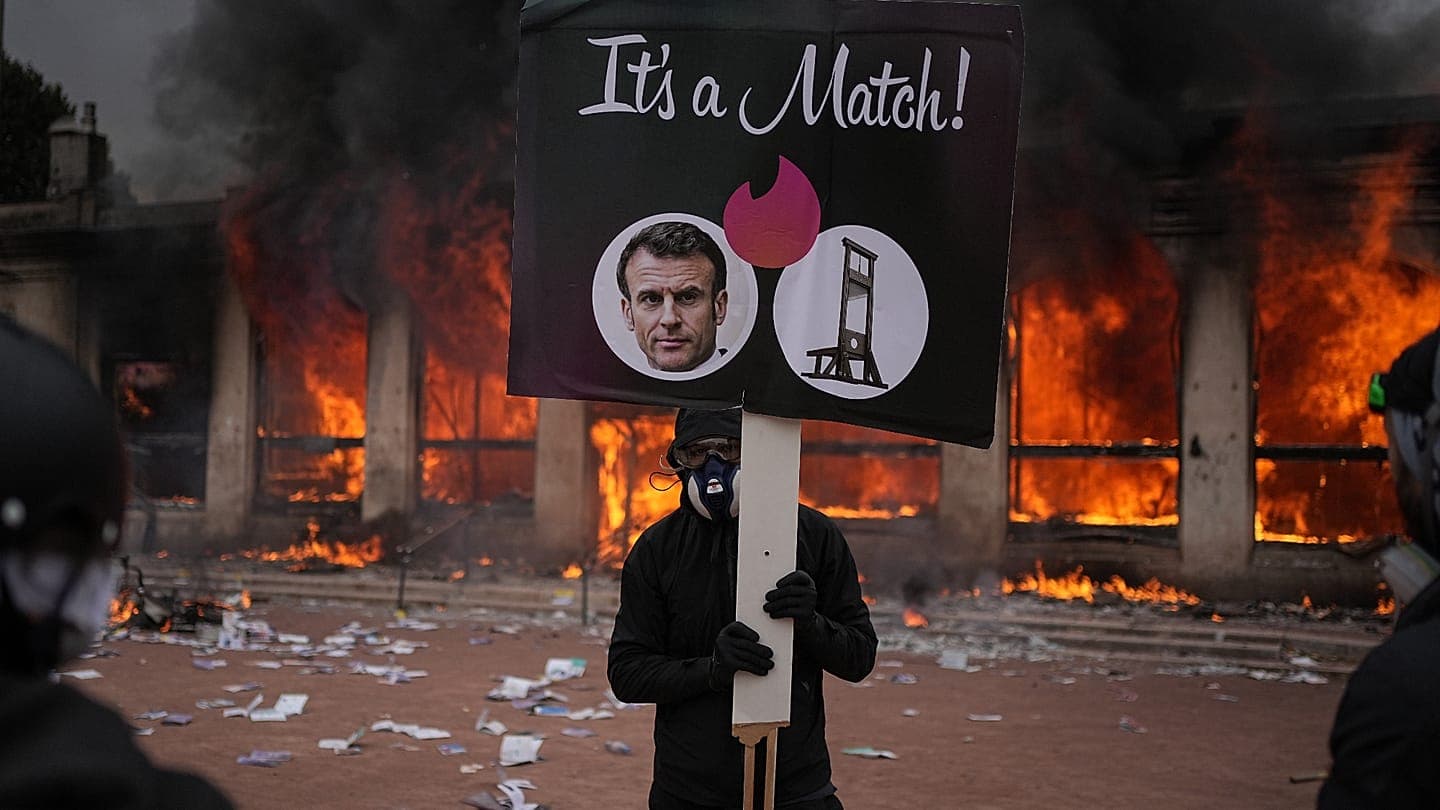
The Madrid rally coincided with a day of protests in other European countries, where people are expressing discontent over a wide range of political and economic issues. In France, the authorities deployed 70,000 police officers and gendarmes amid heightened tensions, including demonstrations against the congress of Marine Le Pen's National Rally party in Orléans. Italy has also stepped up security measures, sending 1,500 officers to Rome and 1,800 to Milan, where demonstrations are taking place against the rising cost of living and government policy. According to Euronews, Italian authorities fear new clashes following the riots of October 17 and 18, because of which security measures have been tightened in a number of major cities. Although the demands of the demonstrations differ, they reflect growing political and economic tension in Europe: governments are facing increasing pressure over living standards, public spending, and social policy.
Why it matters
Simultaneous protests in several countries show that pension provision and the cost of living have become common points of tension for European governments, rather than a local problem of individual states. For the participants of the rallies, the practical stakes are concrete: pension amounts and retirement age depend directly on indexation according to real inflation and the abolition of penalty coefficients for early retirement. It remains unclear whether the rallies will lead to legislative changes — sources report only on the demonstrations themselves and the security measures, not on the authorities' response to the demands.