The key facts
- Joseph Aoun visited Tripoli on October 24 — the first visit by a sitting president since November 2011
- The president pledged to end the city's “neglect” and announced plans to create jobs
- The itinerary included the Palace of Justice, the Port of Tripoli, the special economic zone and the Rachid Karami International Fair
First presidential visit in 15 years
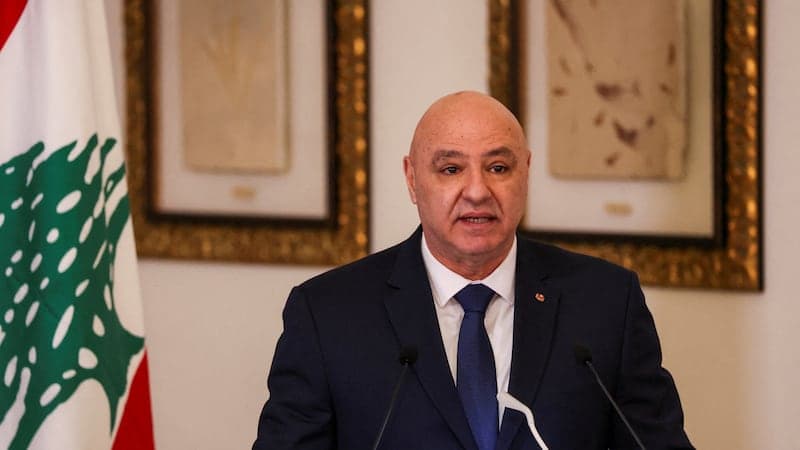
Lebanese President Joseph Aoun on Saturday, October 24, pledged to end decades of neglect of Tripoli during the first visit by a sitting president to the northern city in 15 years. According to The National, the visit is aimed at restoring the population's trust in state institutions and services. The president was greeted with enthusiasm: Tripoli is the country's second-largest city, home to some of Lebanon's wealthiest politicians, yet it remains one of the most marginalized and poorest areas of the country. The last visit by a sitting president to the city reportedly took place in November 2011.
Statements by the president and ministers
Speaking at the Tripoli Serail, Aoun said that “the time has come to put an end to the city's neglect” and to address the socio-economic problems of its residents. “My visit is to tell the people of Tripoli that the state is present and always on your side,” The National quoted him as saying. In his view, trust is restored by providing citizens with accessible services, and human dignity requires the state to deliver them. He also said that projects to create jobs for the city's residents are planned. Tripoli's mayor, Abdel Hamid Karimeh, called the visit historic, noting that it followed years of state neglect.
Visit itinerary and focus on justice
The president's itinerary included the Palace of Justice, the Port of Tripoli, the special economic zone and the Rachid Karami International Fair — sites considered important for the city's economic development. At the Palace of Justice, Aoun called combating corruption a national priority and stressed the importance of an independent judiciary. The president was accompanied by Interior Minister Ahmad Hajjar and Justice Minister Adel Nassar, as well as senior officials from the security services. Hajjar said the visit demonstrates the state's commitment to Tripoli and expressed hope that it would strengthen security and economic activity in the city, while warning that deteriorating economic conditions could undermine stability. Nassar described the visit as significant and pledged to do everything necessary for the city's development.
Context and significance
Statements about Tripoli's poverty and neglect align with previously published material by The National: the outlet described the city as one of the most marginalized and impoverished areas of Lebanon, and in July 2026 reported on the country's deteriorating economic conditions amid its collapse. The editorial conclusion from these facts: the symbolic value of the visit is high — the 15-year gap between presidential visits in itself illustrates the distance between the state and the country's second city — but so far these are statements and planned projects, not implemented measures. The practical consequences for residents will depend on whether the promised job-creation projects and the development of key sites — the port, the special economic zone and the fair — lead to real change; the timing and details of these projects are not disclosed in the publication.