The key facts
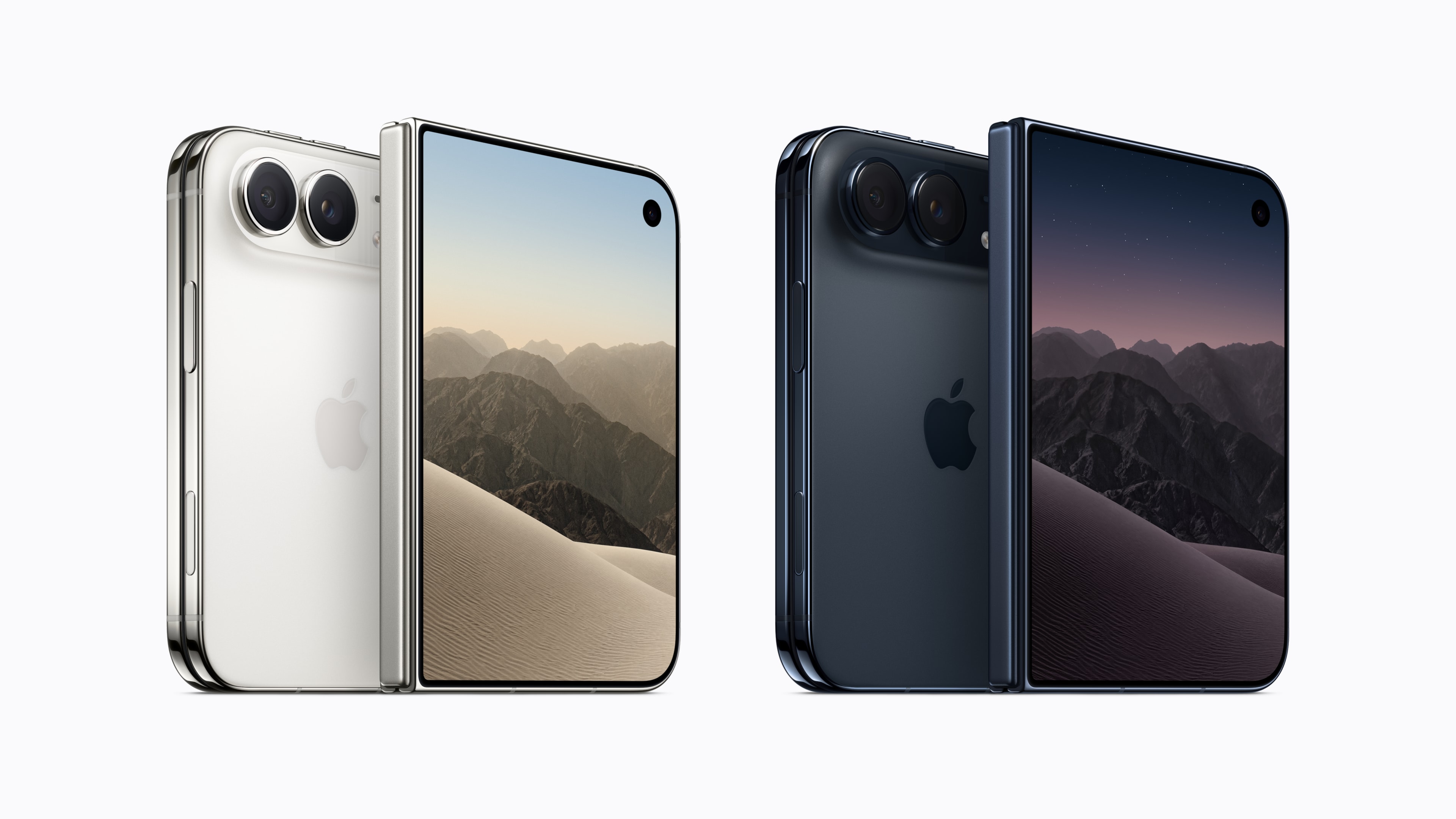
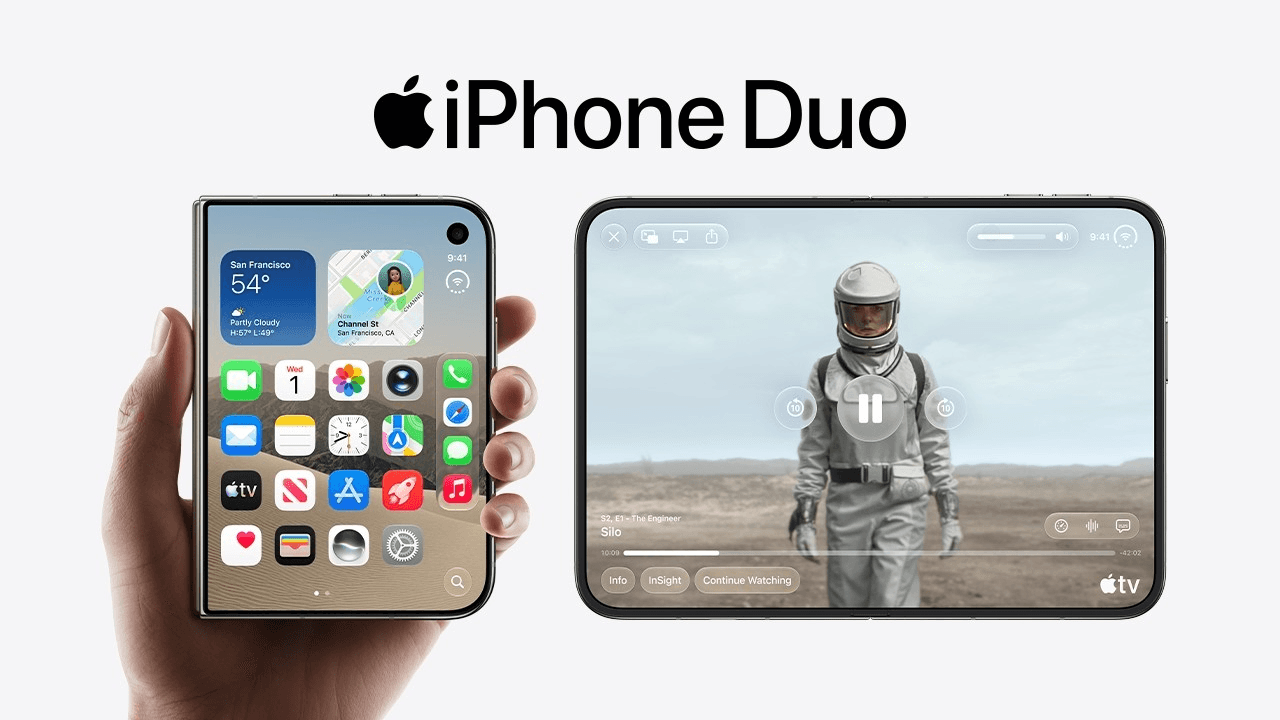
- The iPhone Duo is Apple's first foldable phone, introduced on September 9, 2026, with a starting price of $2000
- The iPhone Duo is Apple’s first foldable phone, unveiled on September 9, 2026, with a starting price of $2,000
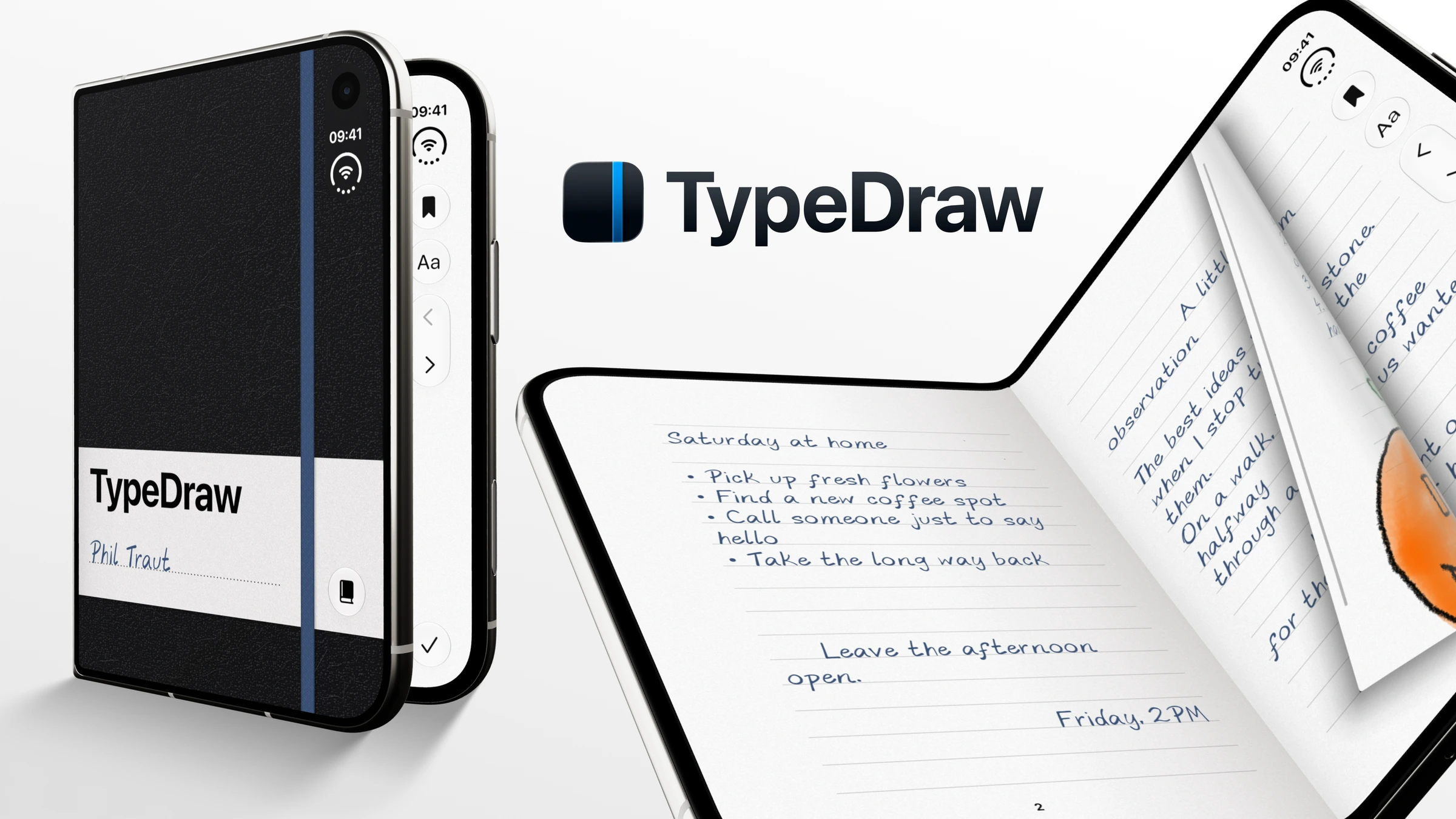
- Developers are creating apps that use both of the device's screens: Deck-Man imitates a cassette Walkman, TypeDraw a notebook, and Toastie a toaster
- Developers are creating apps that use both of the device’s screens: Deck-Man imitates a cassette Walkman, TypeDraw a notepad, and Toastie a toaster
- Many popular iOS apps were not optimized for the Duo at launch and display with black bars
The foldable form factor changes the approach to apps
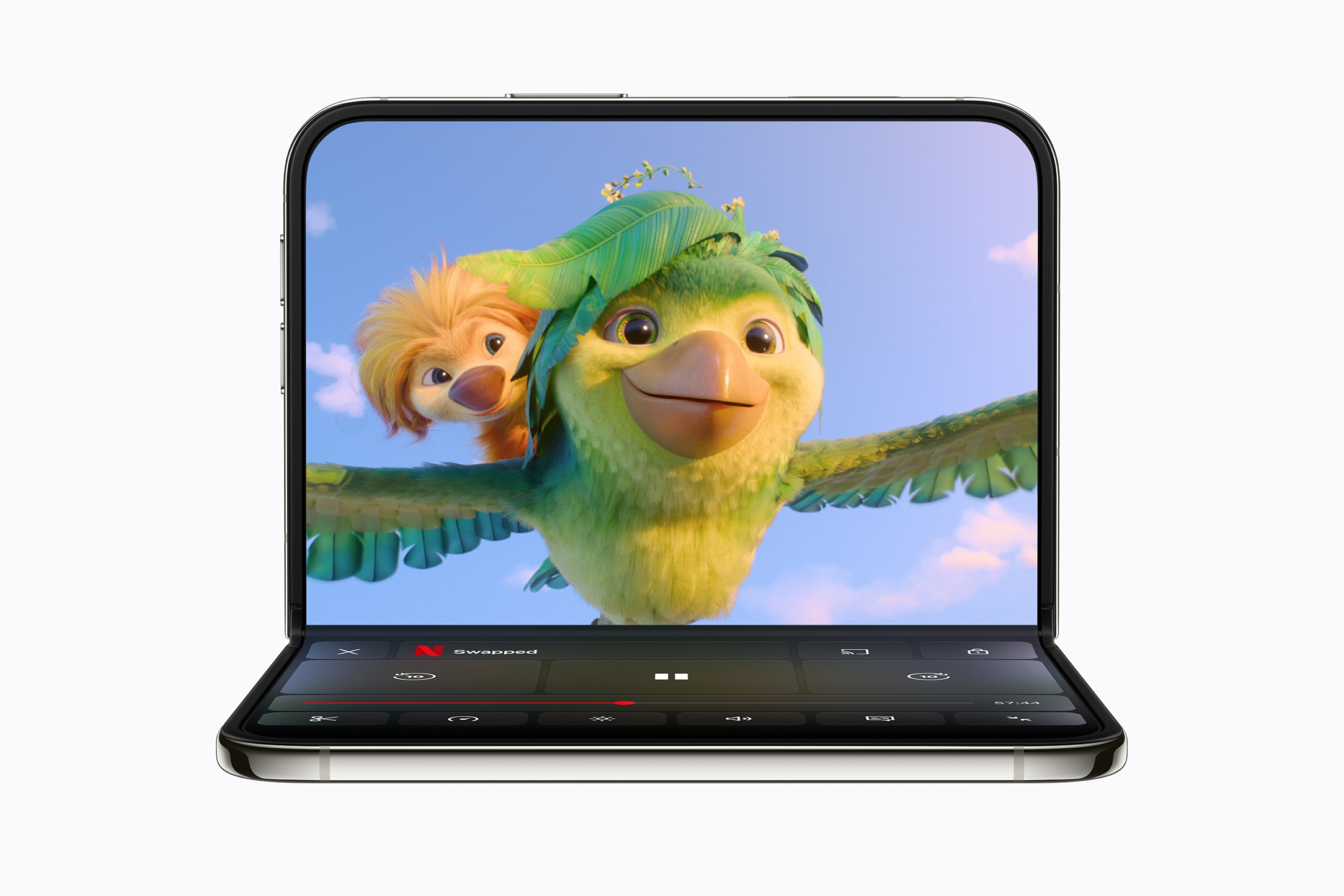
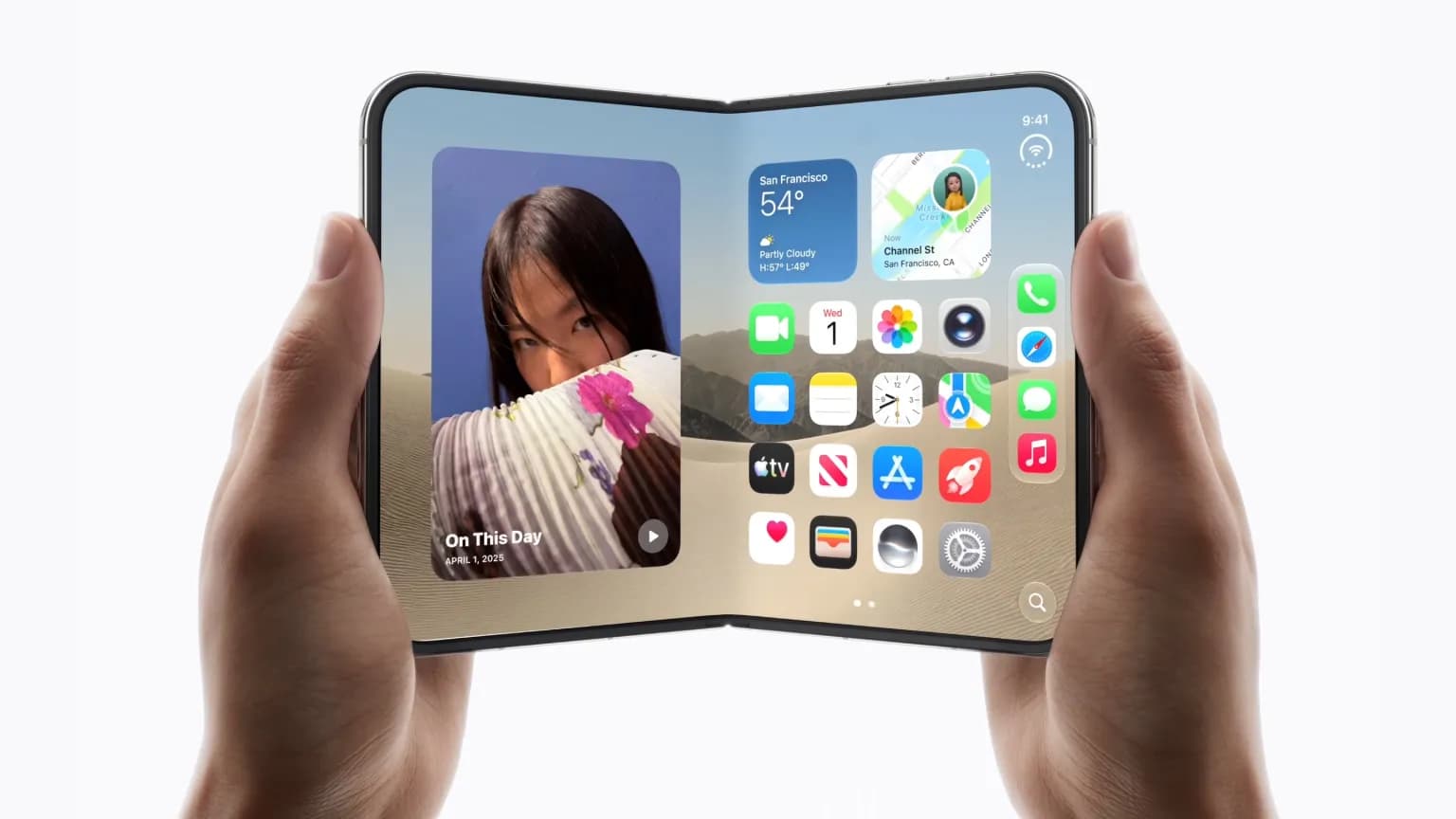
Since the iPhone's launch, new models have remained, according to TechCrunch, incremental updates: a little thinner, a little faster, sometimes a new button, a new charging cable, or a notch on the screen. The iPhone Duo changed that situation, allowing Apple to enter the foldable phone market with a device that, in the publication's words, “is imperfect, but playful, fun, and genuinely engaging”. The author of the piece admitted that at the official announcement he was skeptical about the device — he doubted whether the extra $2000 was worth paying for the ability to prop the phone up like a “tent” to watch Netflix. His interest grew as developers began releasing apps optimized for the foldable form factor. The review was written on a test unit provided by Apple.
The launch problem: most apps aren't ready
The first reviews of the Duo noted that many core iOS apps were not prepared for the device's launch: they are surrounded by black bars, have controls in awkward places, or require tap-to-zoom — the publication compares this to the early days of bringing iPhone apps to the iPad. The author considers the best apps to be those that don't merely adapt to the form factor but build the presence of two differently sized screens into the design itself.
Launch partners and Netflix
Netflix is one of the “handpicked Apple partners” of the Duo launch; its app was optimized by the time shipments began, along with MLB, NYT Cooking, Slack, the Fantastical calendar, and others. The Netflix app takes advantage of the difference between the screens: on the outer display, short “Clips”-format videos scroll by, and after unfolding the phone, viewing continues on the large matte inner screen, with a seamless transition between modes.
Retro apps: Deck-Man, Tiny Computers, MD Vinyl
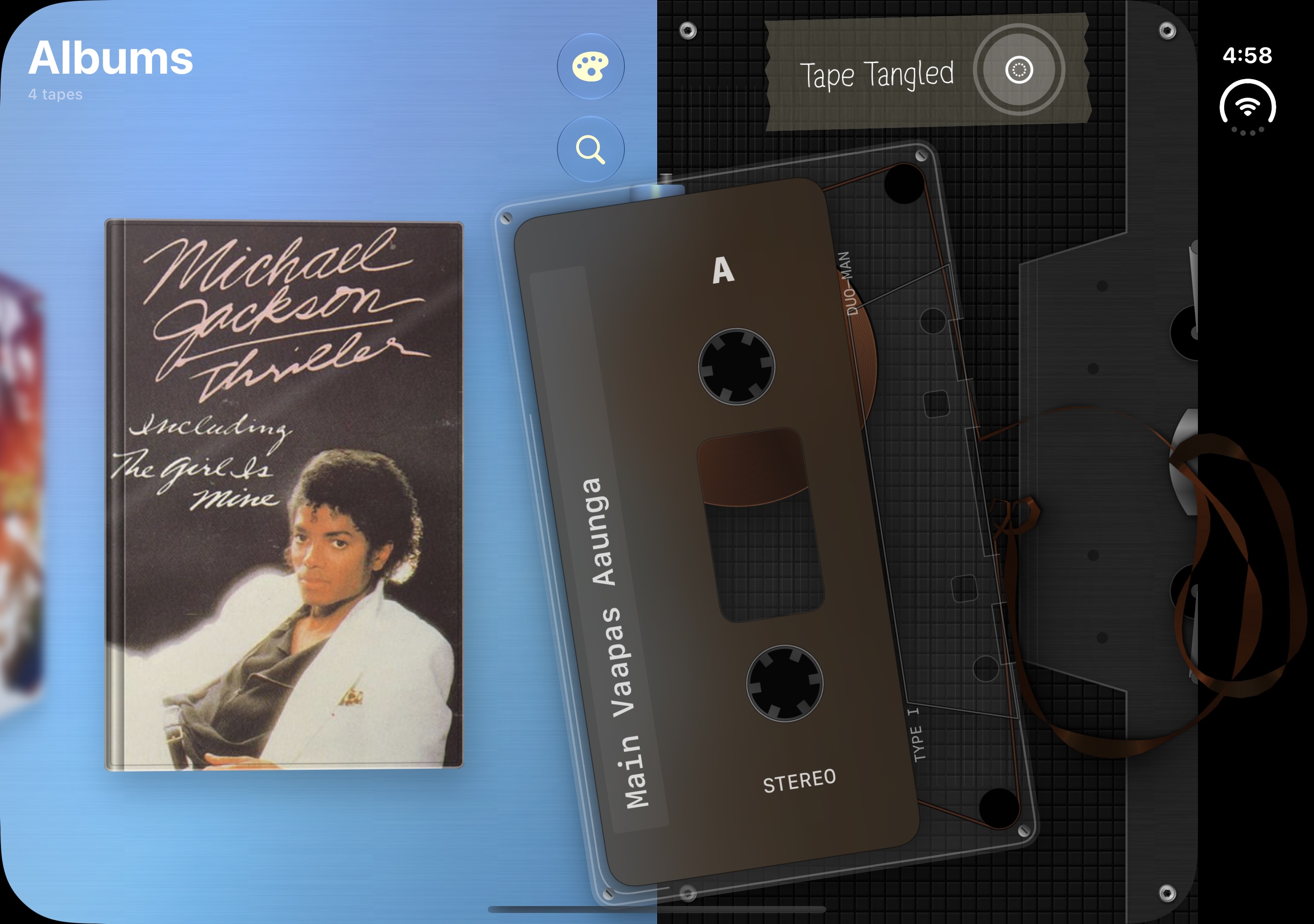
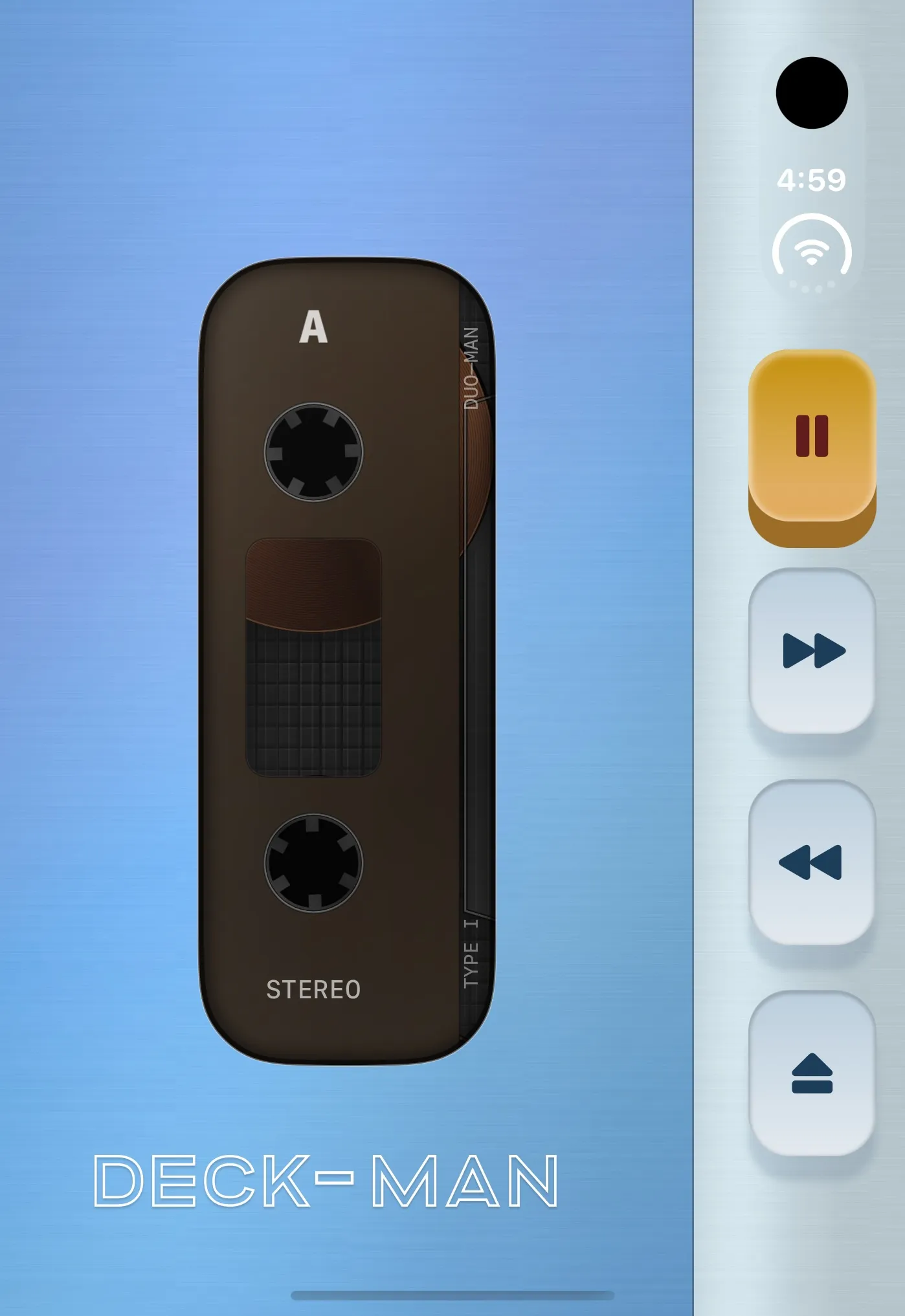
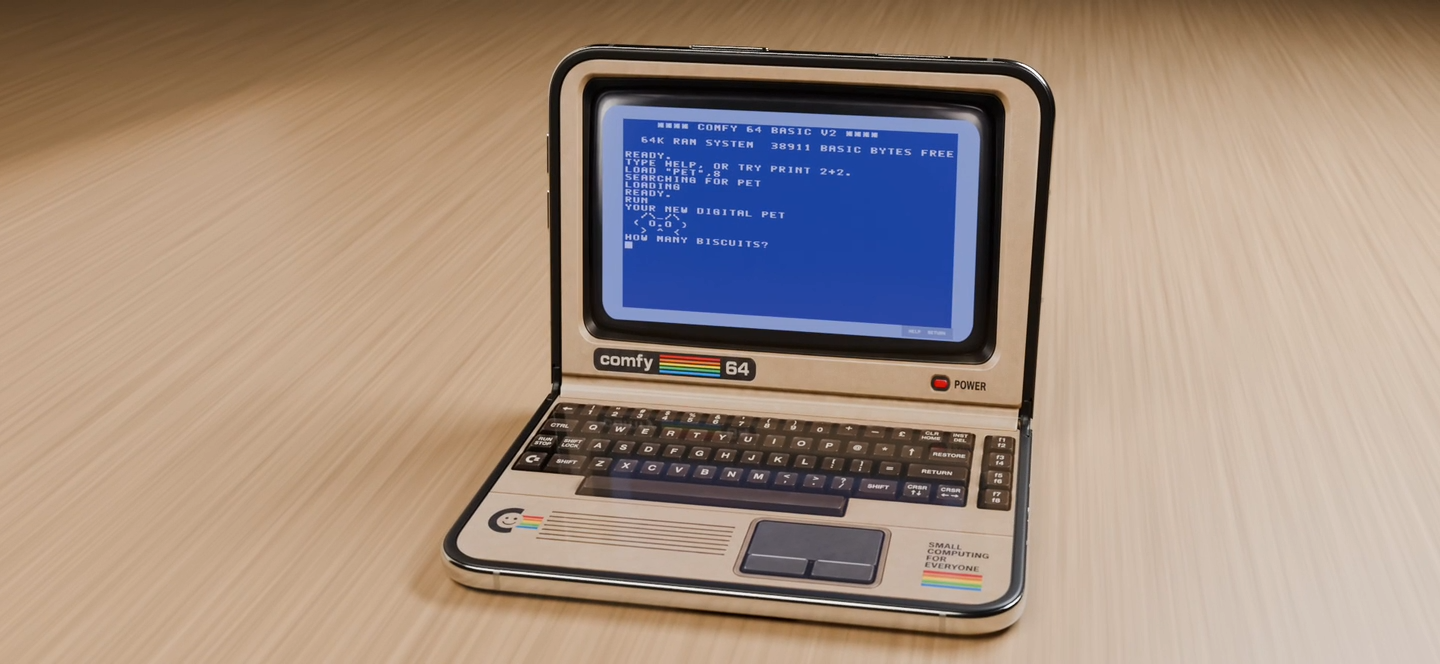
The biggest impression on the author was made by Deck-Man (formerly Duo-Man) — a music player by independent developer Vidit Bhargava, created at a hackathon. The app imitates a Walkman cassette player: albums look like cassettes, and playback is controlled with play, pause, fast-forward, and rewind buttons whose sounds were recorded from a real cassette player. When unfolded, the cassette “plays” on one half of the screen next to the album cover; when closed, the interface looks like the front panel of a Walkman. The developer announced the renaming of Duo-Man to Deck-Man on October 14, 2026, linking it to expanding the app to other platforms. TechCrunch links the success of such apps to the growing demand for retro technology — from “dumbphones” and vinyl to landline phones — as a cultural reaction to the pace at which the AI industry ships products. In the same spirit, Tiny Computers offers 10 retro computers (Macintosh, Commodore 64, IBM PC, Amiga 500, Windows 95, ThinkPad, iMac G3, iBook G3, PowerBook G4, Windows XP) with working keyboards, command lines, and floppy disks; the app, with no ads or subscriptions, costs $3.99 as a one-time purchase. MD Vinyl turned the virtual vinyl record into a full-size one: you can lift the tonearm and lower it onto the spinning disc to start playback.
Practical apps: Wakeout, Flighty, Sky Guide, TypeDraw
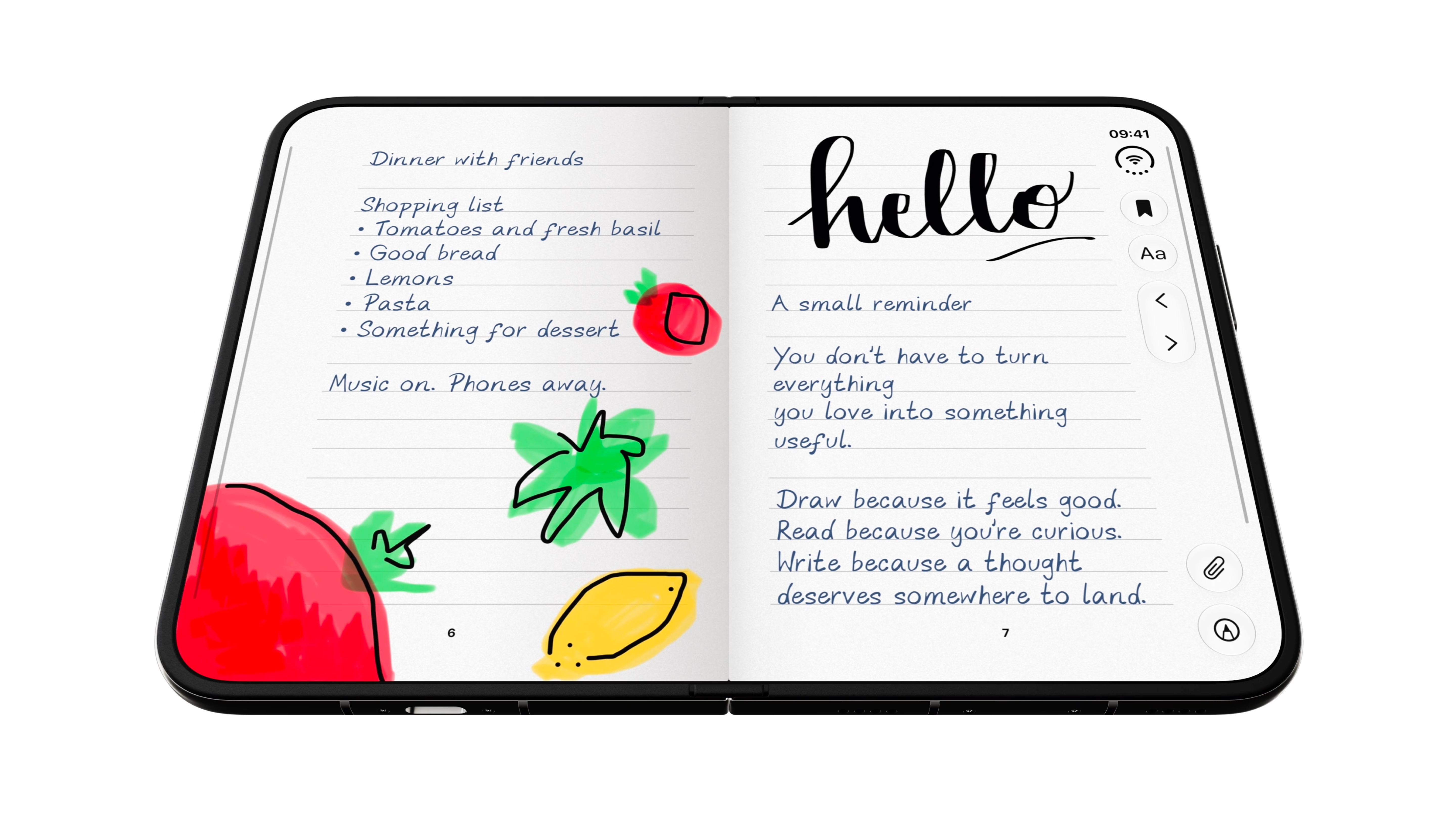
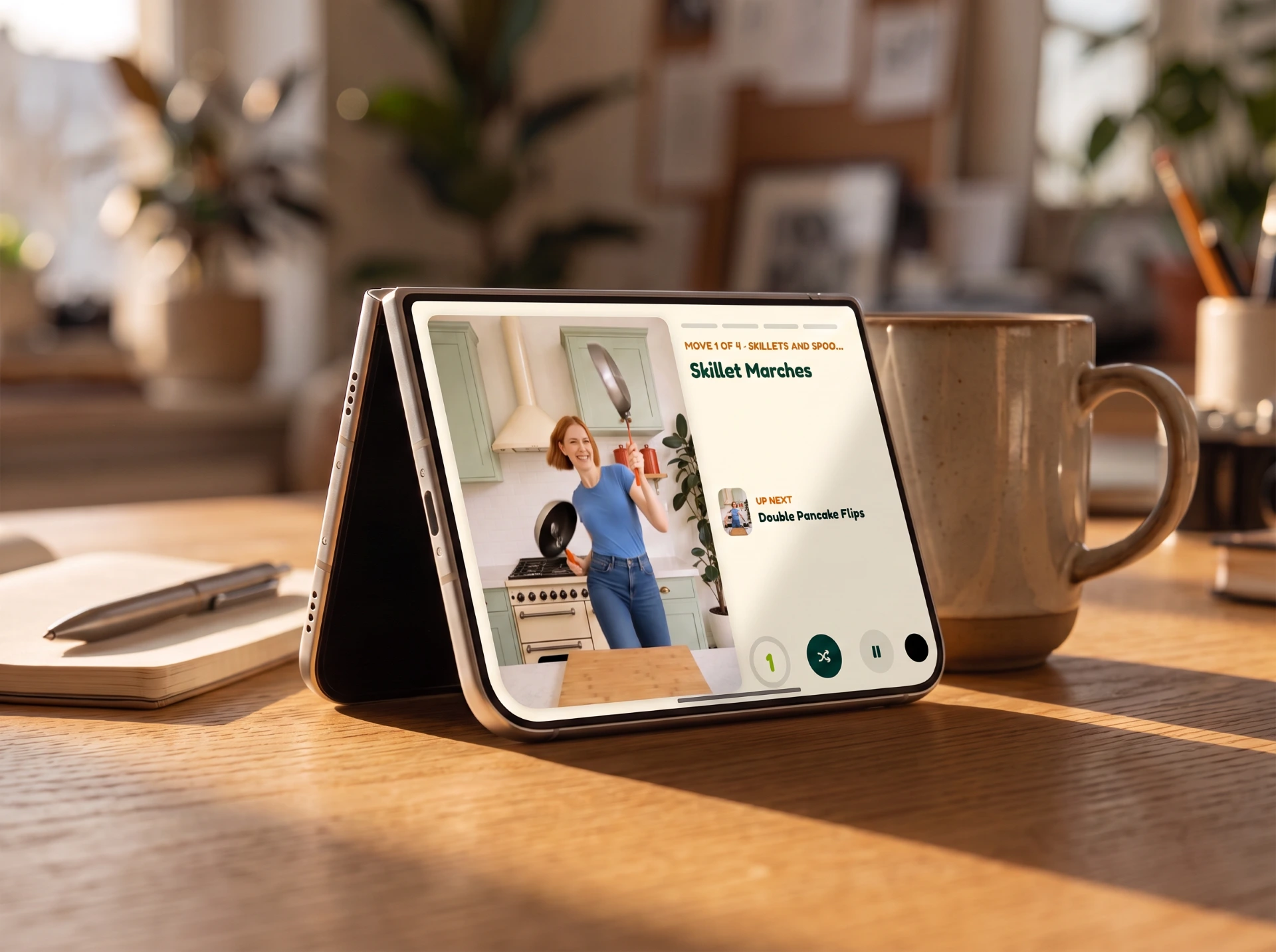
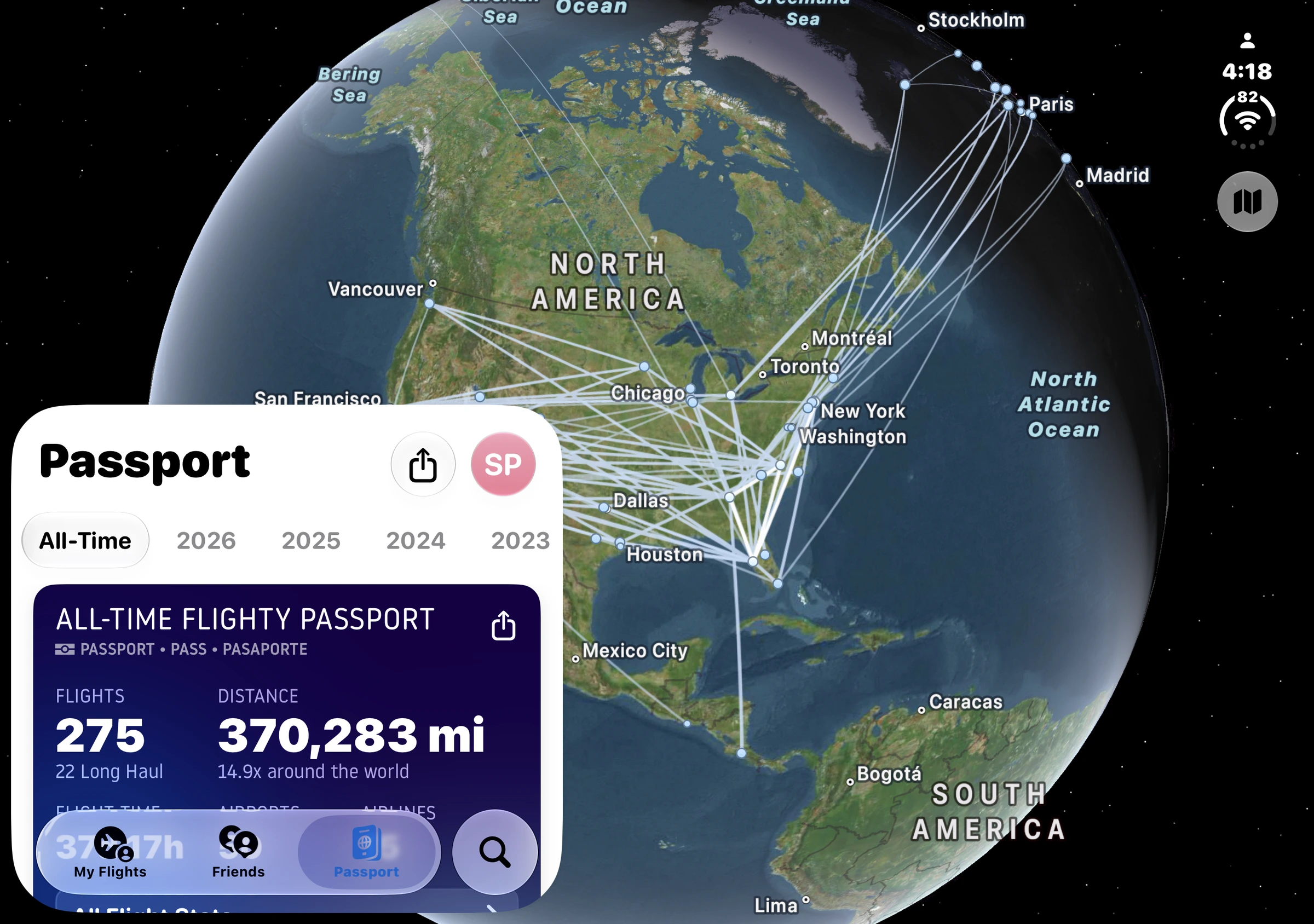
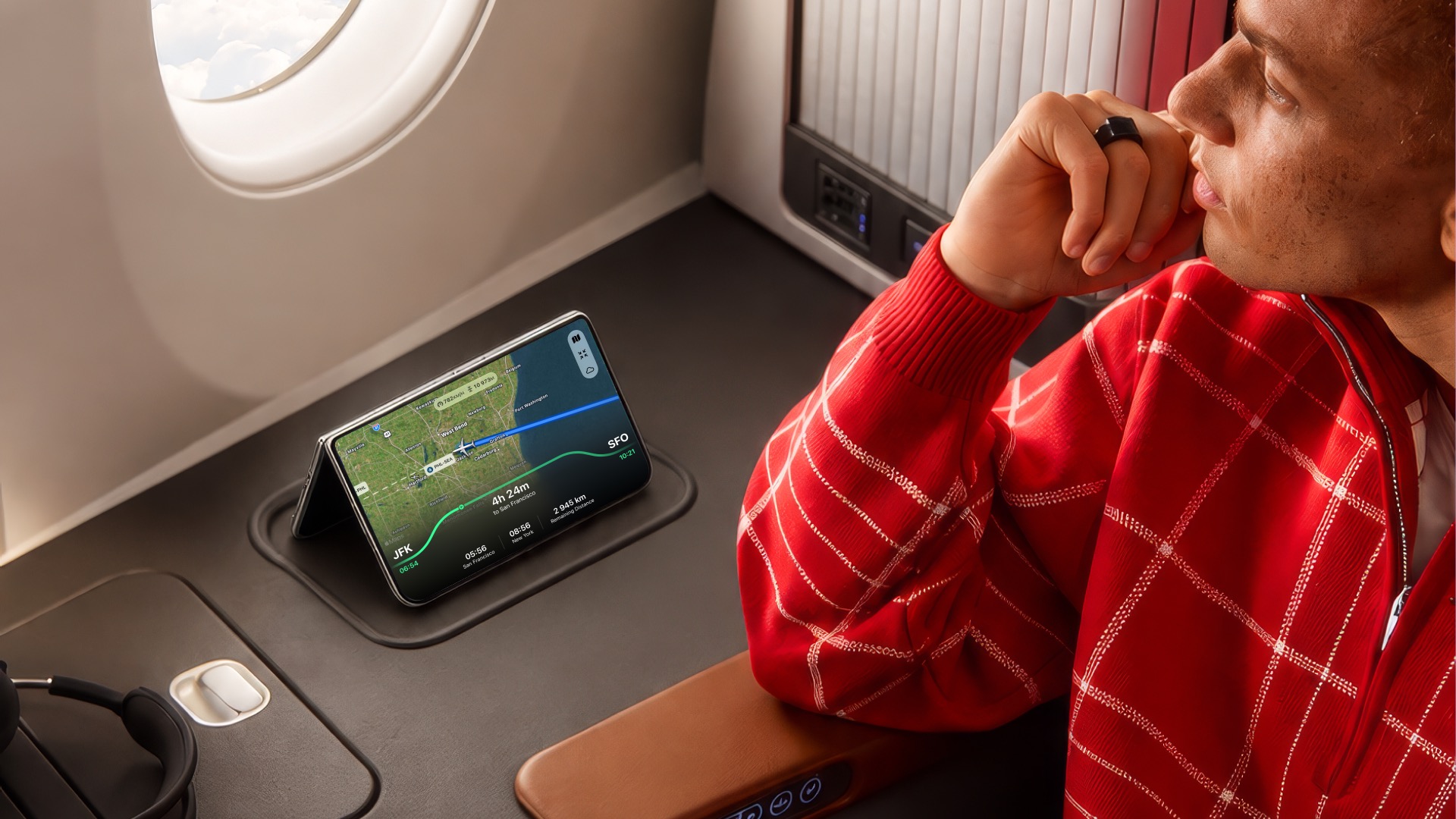
Wakeout — a winner in the App of the Year category — has developed separate interfaces for each position of the phone: closed, unfolded, “tent” mode, and the “laptop-like” position. Flighty, an Apple Design Award winner, when unfolded stretches the flight map across the entire screen and added an En Route Mode: the phone folds into a “tent” and is placed on the airplane tray table to track the flight over Wi-Fi. Sky Guide, mentioned by Apple in the press release about Duo-optimized apps, uses the large inner screen for an edge-to-edge star map. TypeDraw by Phil Traut imitates a Moleskine notebook with an elastic band: text is typed in a font made from the user's own handwriting or one of 12 fonts created by the author, pages “turn” with a curling animation, and when opened, the most recent note is displayed.
Entertainment apps Pico Cam and Toastie
Pico Cam, which previously produced “polaroid-style” snapshots from the Dynamic Island, now also works on the closed Duo, where the large screen is more convenient for the gallery. Toastie is a joke app, described as “the most expensive toaster in the world” (a reference to the Duo’s price): the user prepares toast with butter, cheese and other toppings, closes the phone to “toast” it, and if it is opened too early, the toast remains underdone and the five-star review is lost. The app costs $2.99. TechCrunch expects new interesting apps to appear as developers gain access to the iPhone Duo in the coming weeks.