The key facts
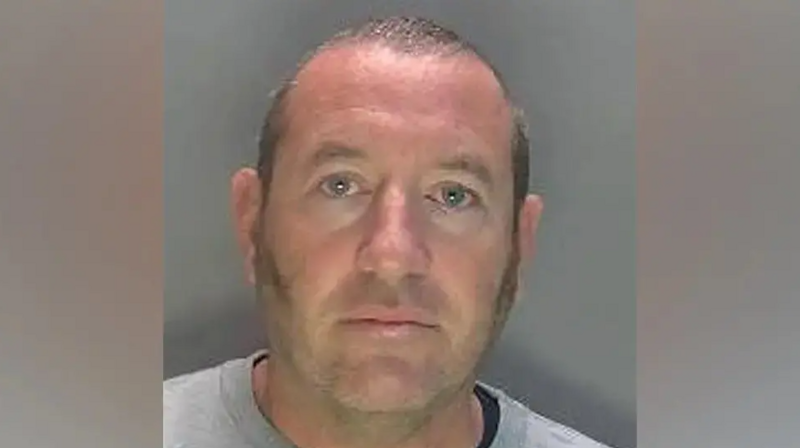
- Detective Lorna Williams was raped by officer David Carrick in 2004; he was sentenced to life in 2023 for crimes against her and 11 other women.
- Williams said Met lawyers challenged the severity of her PTSD, calling the rape a 'one-off incident'; the case was settled without admission of liability.
- She publicly called for the resignation of Commissioner Sir Mark Rowley — an unprecedented step for a serving officer.
Rape and years of silence
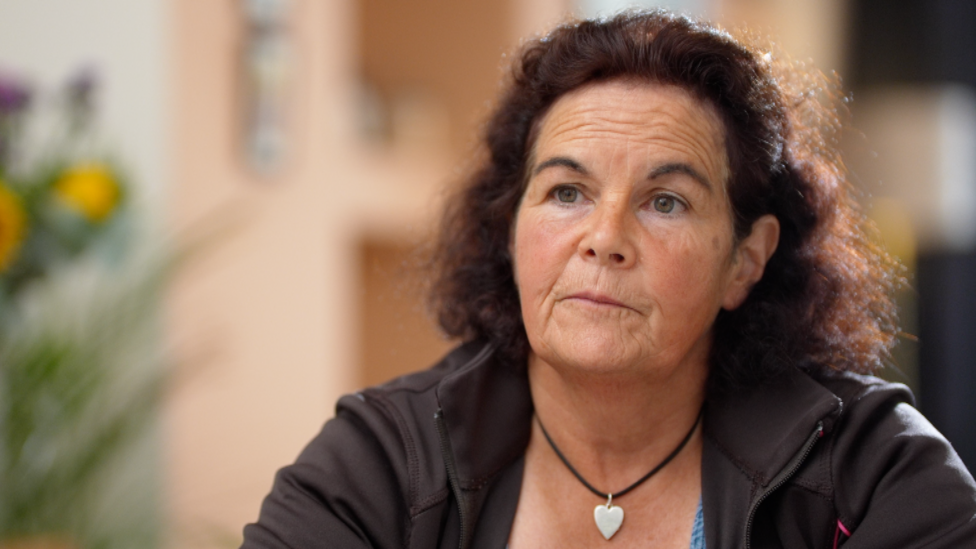
Detective constable Lorna Williams, a 60-year-old Metropolitan Police officer with 27 years of service, told the BBC that in 2004 she was raped by constable David Carrick during three months of working together in south London. According to her, after she said 'no', Carrick replied: 'This is what I do. I will carry on.' She did not resist, fearing violence, and, in her words, 'told no one' — reporting the crime would have meant, in her view, the end of her career, since Carrick would not have been prosecuted and she would have been shunned by colleagues. She describes an 'extremely sexist' culture in the police: she had 'Property of the Met' stamped on her forehead and was locked in the boot of a police car for an entire shift.
Carrick and the leadership's response
Williams reported the rape only in 2021, after news that Carrick was accused of raping another woman. The investigation was conducted by Hertfordshire Police. In January 2023, Carrick was sentenced to life imprisonment for sexual offences against Williams and 11 other women. After the sentencing, Commissioner Sir Mark Rowley publicly apologised to the 12 victims, saying: 'We failed, and I am sorry. He should not have been a police officer.' The Baroness Casey report that same year called the Met a 'boys' club' and institutionally misogynistic. Williams says Rowley met her and apologised, but in her view the apology 'did not matter' due to the lack of detail.
Civil case against the Met
Williams, who has been diagnosed with PTSD, filed a civil claim against the Met, arguing that the police failed to protect her from Carrick and that the culture prevented her from reporting the crime. During the four-year proceedings, she said, lawyers acting on behalf of the Commissioner challenged the severity of her diagnosis, including by citing that she had been raped only once. The BBC has seen a Met document stating that 'the assault itself was limited to a single episode' and that the psychological harm over at least 15 years 'did not have a significant impact on daily life'. Also, according to Williams, lawyers used her exemplary service record as evidence of the absence of trauma. Her solicitor Sophie Allimore of Penningtons Manches Cooper said that such a reduction of rape to a 'one-off event' requires more careful handling. Williams described the process as 'like being raped all over again' and said it drove her to thoughts of suicide.
Settlement and calls for resignation
The case was settled: the Met paid Williams compensation without admitting liability. She gave up her legal right to anonymity in order to speak publicly and — an unprecedented step for a serving officer — called on Commissioner Rowley to resign, saying he was 'not fit for the job' and had not changed the police culture as he had promised upon his appointment in 2022. She said that today she would not report a rape to the Met, as she does not trust her own force.
The Met's position and Rowley's response
The Met told the BBC that it 'sought to minimise further distress and re-traumatisation' of Williams and 'aimed to consider her claims as quickly and compassionately as possible', acknowledging the 'unique and additional' nature of her situation as an officer of the force. According to the police, Rowley 'has repeatedly acknowledged' Williams's bravery and contacted her, offering to meet again to discuss the issues in person. Williams, however, said she does not believe in Rowley's ability to change the situation: 'We can fix this, but I don't think Mark Rowley can do it.' She says her PTSD is '90% related to the Metropolitan Police and 10% to Carrick', and she is speaking out to help other victims — police officers, staff and civilians.
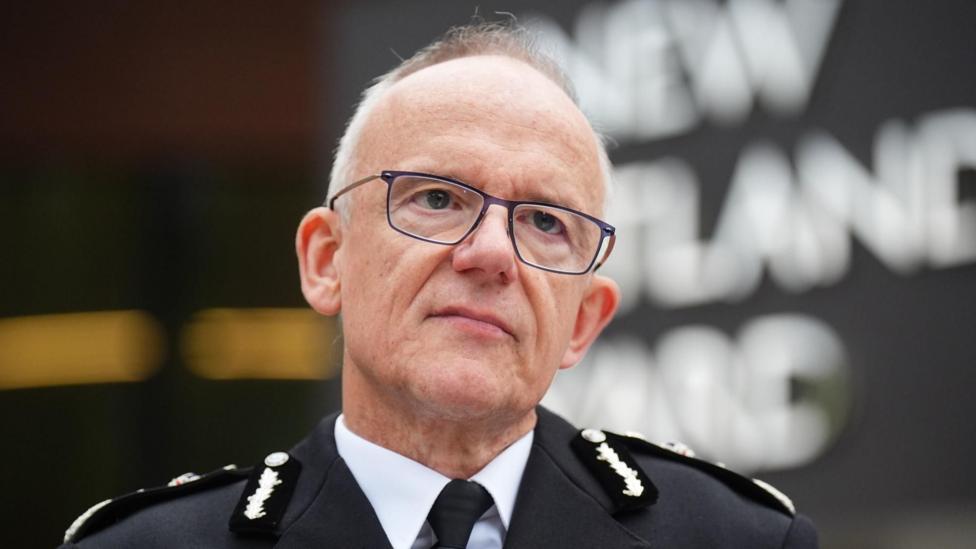 Image source, PA Media
Met Police commissioner Sir Mark Rowley has promised to get rid of officers unfit to serve
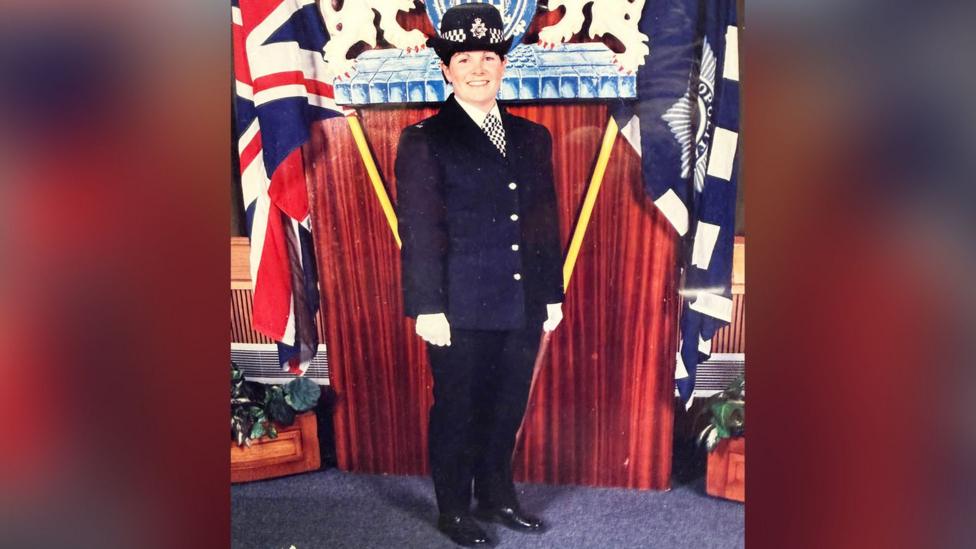 Image source, Linda Williams
Linda has been a Met Police officer for 27 years
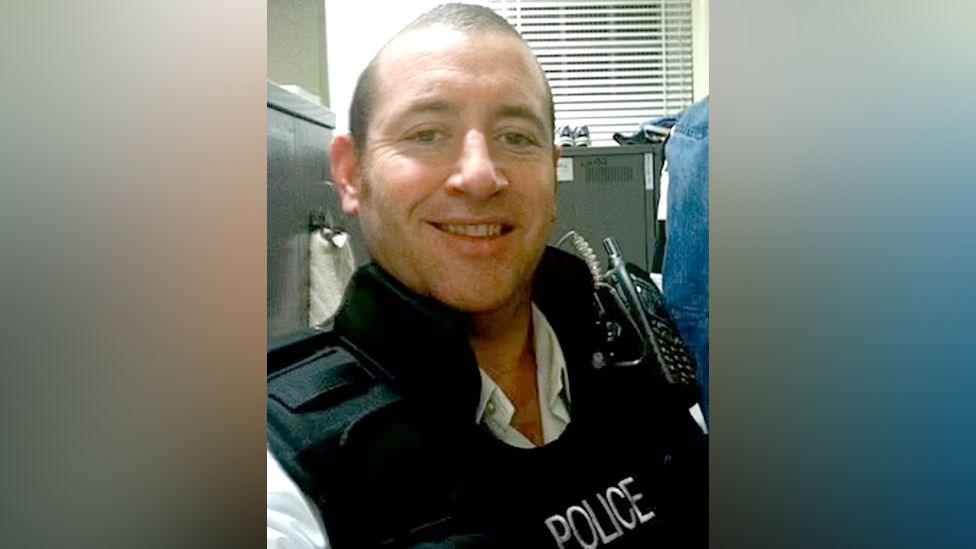 Image source, Social media
Carrick used his police role as a tool of coercion, raping and controlling his victims
Reporting the rape when it happened