The key facts
- ENSO forecasts launched during the La Niña phase are consistently accurate even a year ahead; those from neutral conditions are significantly less reliable.
- More than 7,500 historical forecasts based on climate models from nine countries were analyzed; the study was published in Science Advances.
- The WMO warns that the current El Niño could be unprecedented in strength, with its impacts lasting until 2027.
A New Key to Long-Range El Niño Forecasts
Researchers from Australia's national science agency CSIRO and the University of Melbourne have identified conditions under which some El Niño and La Niña events can be predicted up to a year ahead. Events of the El Niño–Southern Oscillation (ENSO) cycle usually peak around December and are reliably forecast about six months in advance; earlier predictions have long remained a difficult task. Having analyzed more than 7,500 historical ENSO forecasts made using climate models developed in nine countries, scientists established that the phase of the Pacific Ocean at the time a forecast is launched — El Niño, La Niña, or neutral conditions — provides important clues about the forecast's reliability 12 months ahead. The work was published in the journal Science Advances.
What Exactly the Results Showed
According to the study, forecasts launched during La Niña conditions consistently performed well even when predicting ENSO events a year ahead, whereas forecasts from neutral conditions were significantly less reliable. Co-author Dr Mandy Freund of the University of Melbourne and the Australian Research Council Centre of Excellence for 21st Century Weather noted that the findings offer a new way to assess confidence in long-range climate forecasts. Lead author Dr Nandini Ramesh, a senior research scientist at CSIRO, explained: “We have long known that initial conditions affect the accuracy of model performance, but our study really shows how stark the difference in their skill can be.” According to her, it is possible to determine which forecasts deserve greater confidence and potentially warn the public about the onset of El Niño much earlier. At the same time, she emphasized that before the results can be applied in the models of forecasting services, the team still has “several stages to go through.”
UN Warnings About the Current El Niño
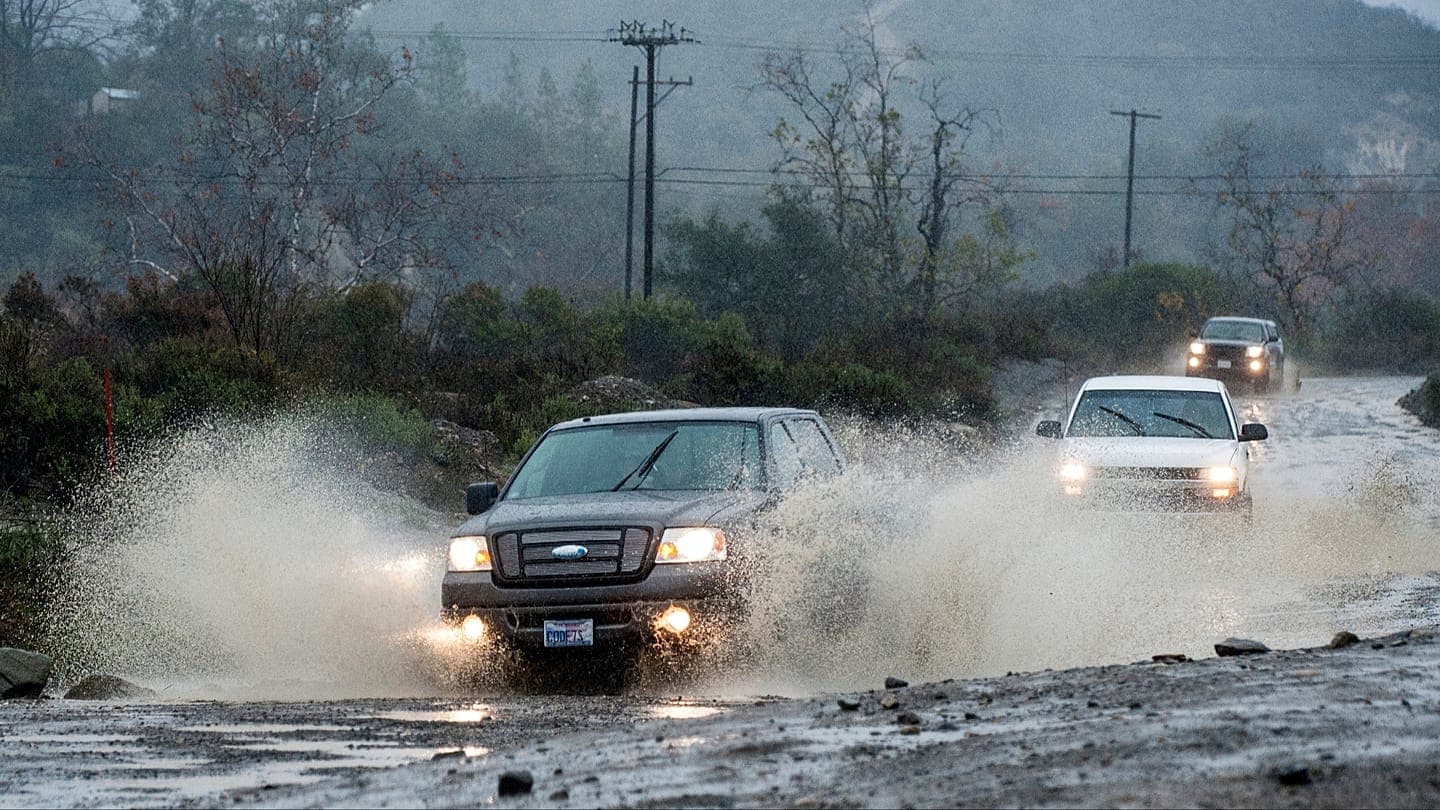
The UN's weather agency warns that the current El Niño could “literally go off the charts,” with its impacts felt until 2027. The phenomenon, which typically occurs every two to seven years, continues to intensify in the Pacific Ocean, triggering extreme weather in the Dry Corridor of Central America from Mexico to Panama and threatening coral reefs and forests. World Meteorological Organization Secretary-General Celeste Saulo said this week in Geneva that the current event “could prove unprecedented in strength” and would have “far-reaching consequences for weather around the world.” UN Deputy Secretary-General for Humanitarian Affairs Tom Fletcher described El Niño as a “wrecking ball” of extreme heat, droughts and floods, warning of “colossal humanitarian consequences.”
How to Prepare for the Phenomenon
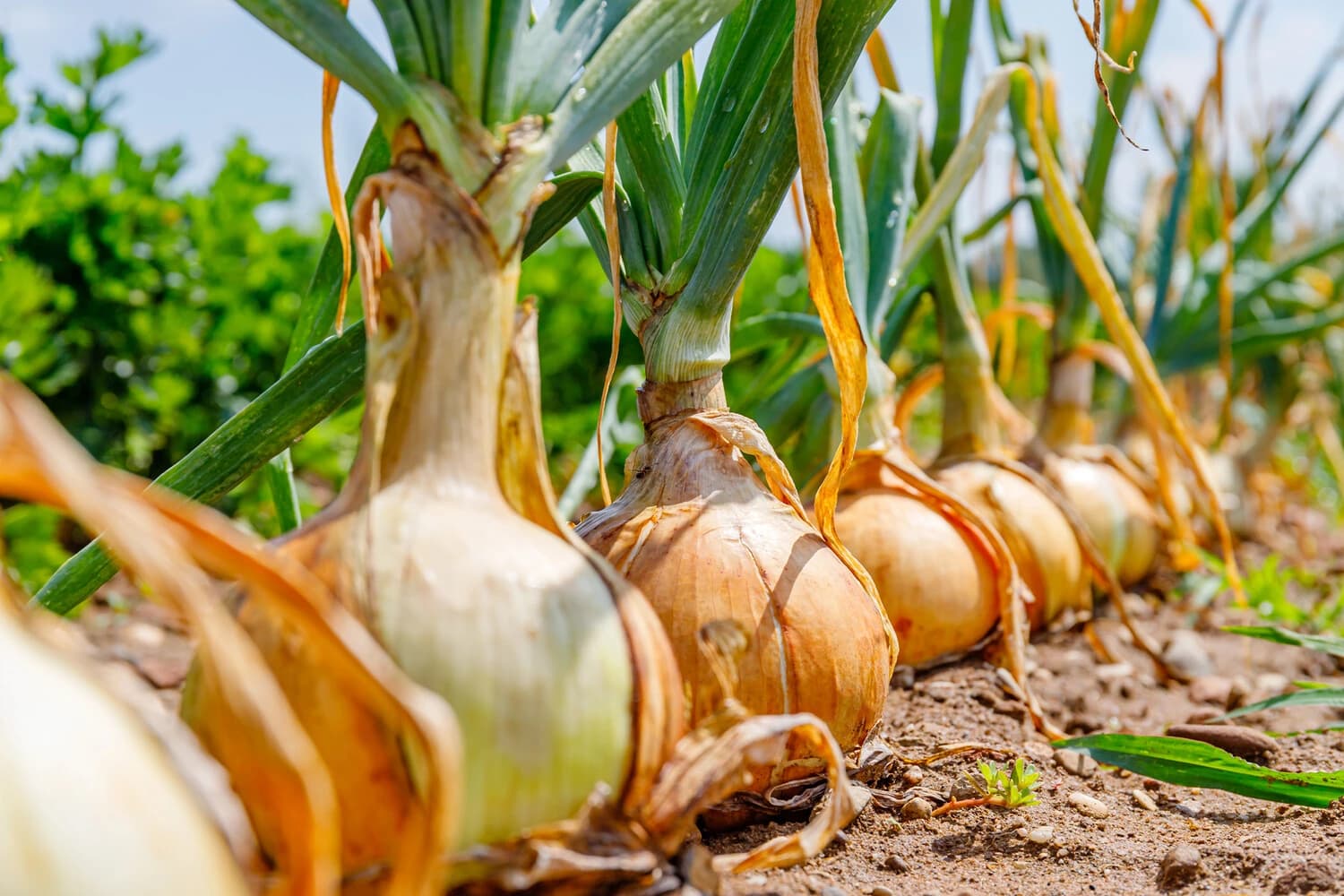
El Niño is a natural phenomenon that cannot be stopped, but advance forecasts give countries more time to prepare. Davide Faranda, research director at France's National Center for Scientific Research (CNRS), noted that water management and preparation for changes in rainfall distribution are of key importance. According to him, governments can stockpile and distribute water more carefully, control the use of reservoirs and groundwater, adjust agricultural schedules and irrigation schemes, and prepare communities for droughts and floods. Farmers can reduce losses by changing planting dates, watering fields during cooler times of day, and storing water in case of drought.
The Link to Climate Change
Although El Niño raises the average global temperature by about 0.2 °C — enough for large-scale destruction — the burning of fossil fuels has added far more heat to the atmosphere, so the phenomenon's impact is superimposed on an already warming climate. According to the publication, 2025 became the third warmest year on record — hotter than the El Niño year of 2016 — despite the cooling influence of La Niña. “Through climate change mitigation measures we cannot eliminate El Niño,” Faranda said, “but we can reduce the extent to which climate change amplifies its impacts.”