The key facts
- FIFA U-15 tournament in Azerbaijan: 189 teams, almost 1000 matches, 8×8 format, final on 30 October
- Germany and 21 other countries declined to take part, 18 from UEFA; the USA also declined
- Ukraine told Sportschau that some countries did not want to play against Russia, which returned to a FIFA tournament after its 2022 suspension
An unprecedented tournament for teenagers
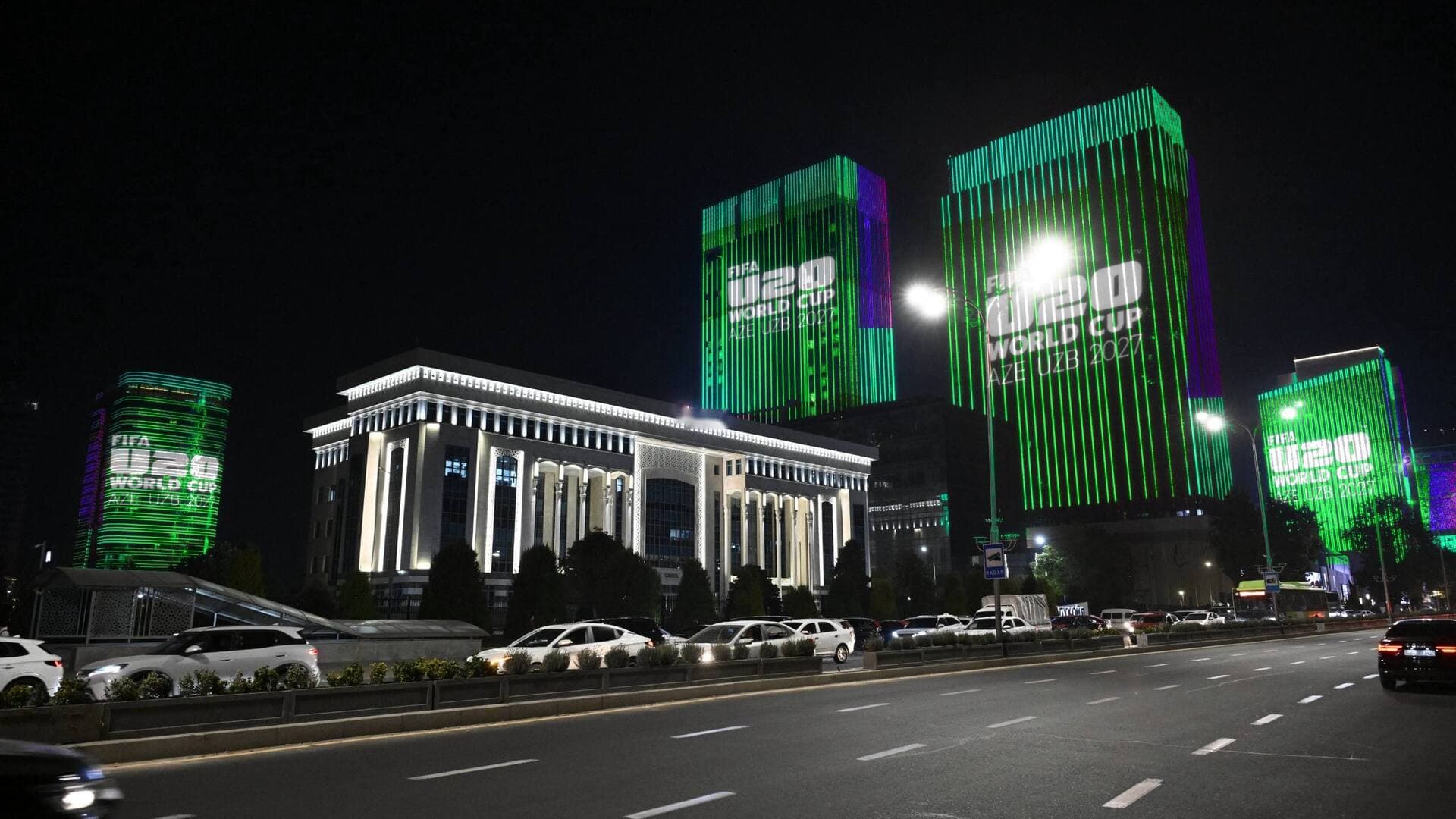
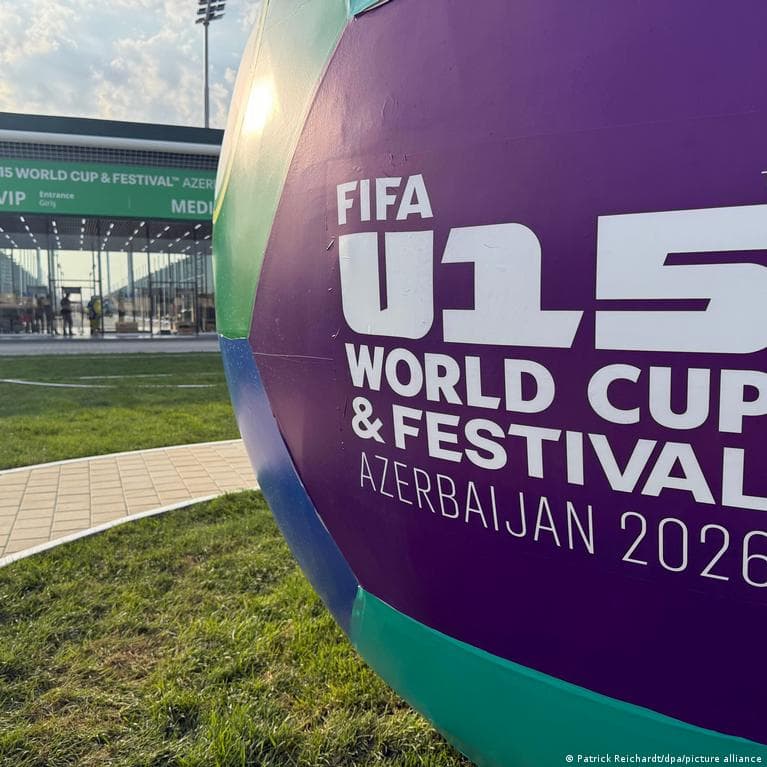
A tournament called the 'FIFA U-15 World Cup & Festival' is taking place in Azerbaijan — an unprecedented children's international tournament in scale: 189 teams and almost 1000 matches. Matches are played under simplified rules: eight players per team, 20-minute halves, a reduced pitch and a number of other technical changes. According to FIFA, after the group stage each team will play 'four to five additional matches, determined by results and subsequent allocation into levels'; there will be six winners — one in each of the six levels, with the champion being the winner of the top level. All teams play until the tournament ends on 30 October. FIFA announced that the 2027 tournament will be for women's teams only. FIFA's head of global football development, Arsène Wenger, said: 'Young players need meaningful matches, different opponents and different football experiences to develop. Talent is everywhere, but the opportunities available to young players are not always the same.'
Germany deliberately declined to take part
The German Football Association (DFB) told Deutsche Welle that it 'deliberately decided not to take part'. In the organisation's view, at this age player identification and development are still ongoing, and naming a fixed squad for an international tournament is premature. The DFB emphasised that its approach to talent development is based on long-term and age-appropriate support: young players, in the association's view, should not face the attributes of professional football too early — heightened expectations and pressure, public evaluation of performances and early interest from agents and the football market. The refusal fits Germany's more cautious practice: in the Bundesliga players can play from the age of 16 (until the 2020/21 season a professional contract could not be obtained before the age of 17 years and six months). This change allowed Youssoufa Moukoko to debut for Borussia Dortmund the day after his 16th birthday in 2020, becoming the youngest player in the league. His example is cited by some as a cautionary tale: after high-profile fame in youth football and a call-up to the 2022 World Cup, the 21-year-old Moukoko now struggles to get playing time at Turkish Çorum, where he is on loan from Danish side Copenhagen. FIFA prohibits players under 16 from having agents, but regulation in this area is weak in a number of regions — in 2023 St. Pauli announced it would no longer work with agents in its academy, positioning itself 'against the commercialisation of youth football' (quote from academy head Benjamin Lidtke: 'We want to focus on partnership and dialogue with the players, their families and relatives').
The countries that declined and the question of Russia's participation
Germany is one of 22 countries that declined the invitation; 18 of them represent UEFA. Among the notable decliners are also the USA and Ukraine. The Ukrainian federation told German outlet Sportschau that it initially declined for sporting reasons, and then stated that 'other countries indicated that they would have taken part but did not want to play against Russia'. DW contacted a number of federations to clarify this issue but has not yet received a response. Russia's national team has been suspended from international football since 2022 following the invasion of Ukraine, and its presence at a FIFA tournament is likely to become the main source of controversy. FIFA president Gianni Infantino said back in February in an interview with Sky: 'We should [consider Russia's return], definitely, because this disqualification achieved nothing. It only created disappointment and hatred. An opportunity for girls and boys from Russia to play football matches in other parts of Europe would help.' Eight months later, his wish came true.
Group format and an unclear play-off scheme
According to FIFA, in the group stage teams are distributed into groups 'with diverse sporting and regional representation', with countries in conflict with each other, at least initially, kept apart: Israel and Palestine, Kosovo and Serbia were not placed in the same group, but could theoretically meet at later stages — in 'adult' football this is not permitted due to various bans and caveats. FIFA provides only general information about the format after the group stage. DW requested additional comments from FIFA but had received no response at the time of publication.