The key facts
- Russia struck about a dozen Ukrainian regions after the Witkoff-Putin talks; according to Zelensky, at least two people were killed and 34 wounded.
- The Kremlin called the new settlement proposals 'devoid of substance' but allowed for the resumption of trilateral talks next month.
- Trump said the sides are 'possibly closest' to ending the war, though hopes for a breakthrough in Kyiv and European capitals are low.
Strikes right after the talks
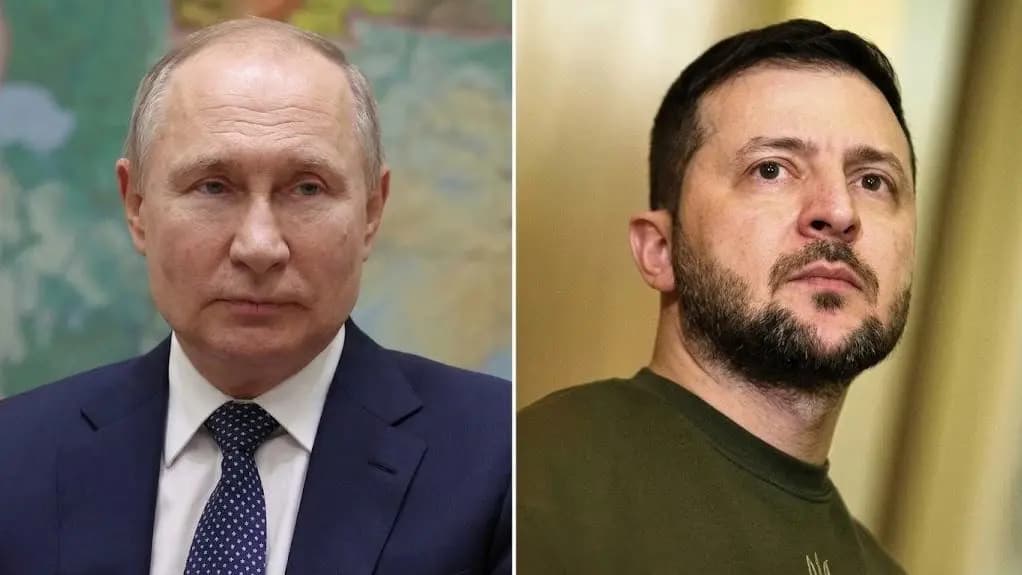
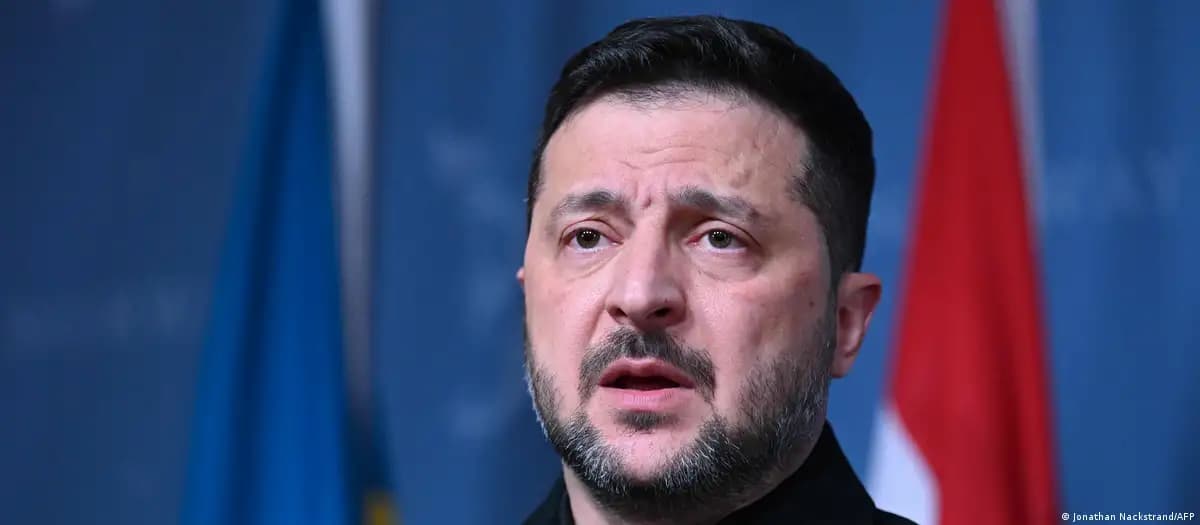
Ukrainian President Volodymyr Zelensky said on Thursday that Russian ballistic missile strikes, which began 'almost immediately' after hours-long talks between Donald Trump's special envoy Steve Witkoff and Vladimir Putin in St. Petersburg, show that the Kremlin's position on the war has not changed. 'Three waves of ballistic missiles were launched at Kyiv by Russian 'humanists' since last evening,' Zelensky said, adding that after another round of talks Russia carried out a 'demonstrative strike.'
Consequences of the overnight attacks
According to Zelensky, about a dozen Ukrainian regions were hit overnight, including Kyiv: at least two people were killed and 34 wounded, including children. In Kyiv, residential buildings, energy facilities, a shopping mall and a monastery were damaged; Russia has noticeably intensified strikes on the city ahead of winter. Russia, for its part, reported downing 808 Ukrainian drones overnight and that two people were wounded in Moscow.
The parties' positions in the talks
The Kremlin declared readiness to resume trilateral talks with Kyiv and Washington next month, but called the new ideas brought by Witkoff and developed jointly with European countries and Ukraine 'devoid of real substance.' Witkoff described the talks on social media as 'constructive,' noting that 'important work lies ahead' and that discussions will continue at a technical level between the US, Ukraine and Russia. Russia demands the withdrawal of Ukrainian troops from territories of Donetsk region controlled by Kyiv, as well as limits on the army and renunciation of Western alliances; Ukraine rejects these terms as capitulation.
Context and strained relations
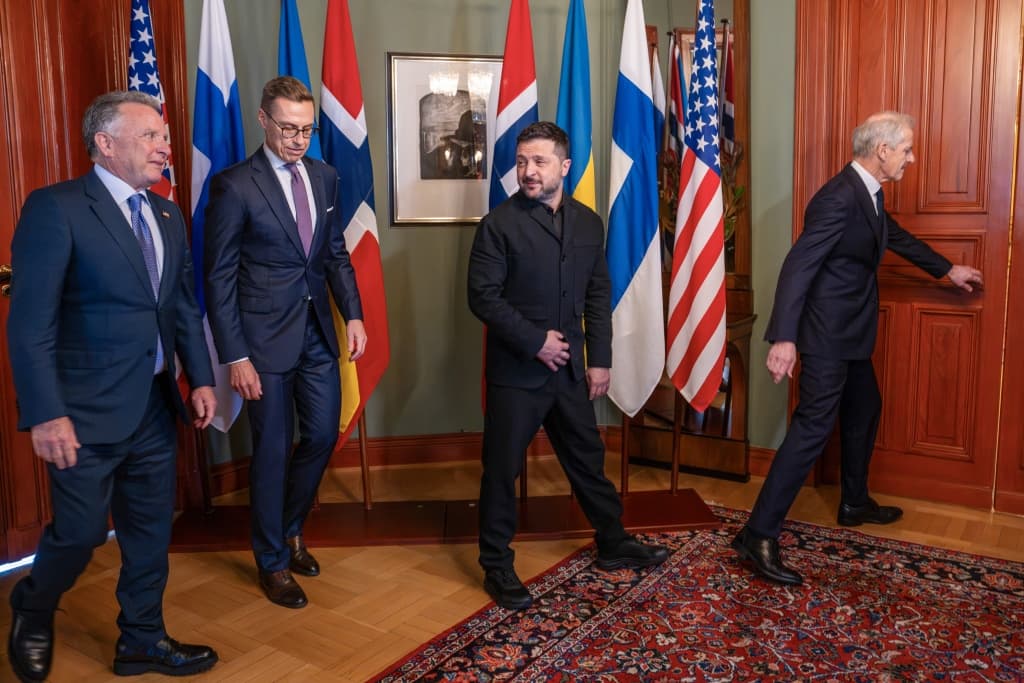
The day before the St. Petersburg talks, Zelensky met with Witkoff in Norway — against the backdrop of days of heightened tension between Washington and Kyiv. In recent days, Trump blocked new sanctions against Russia, agreed to purchase Russian diesel, and called for replacing the Ukrainian leader. Trump expressed optimism, saying on Wednesday that negotiators are 'possibly closest now' to ending the war, but in Kyiv and European capitals hopes for a breakthrough were low — many feared the White House was siding with Moscow.
Additional details
Moscow reported that a summit of Trump, Putin and Xi Jinping is being prepared in China next month, which raises concerns among Europeans and Ukraine about a deal being concluded without their participation. Soon after meeting Witkoff, Putin held talks with Chinese Premier Li Qiang, who was visiting St. Petersburg. Witkoff faced widespread criticism for calling Putin a 'humanist' after Moscow released an elderly US citizen imprisoned on charges of fighting for Ukraine as a 'mercenary.' Zelensky urged allies to keep up 'real pressure' on Moscow and supply more air defense systems. Putin consistently refuses personal meetings with Zelensky and insists that Moscow intends to seize the rest of eastern Ukraine — by agreement or on the battlefield.