The key facts
- Hal Rogers, 88, is running for a 24th term in the House of Representatives; Chuck Grassley is 93, Trump is 80
- The average age of a House member is 58, a senator 65, while the median age of an American is 39
- Young voters are underrepresented: 20% of the electorate in 2024, but only 15% of votes cast (Pew)
America's oldest politicians
Few American politicians have stayed in office as long as Hal Rogers: the 88-year-old Republican is running in the November midterm elections, seeking a 24th term in the House of Representatives. He has represented Kentucky's 5th district since 1981 and is the longest-serving member of the House. Rogers was elected on the same night Ronald Reagan won under the slogan 'Let's Make America Great Again,' which Donald Trump later revived. Among those Rogers defeated in this year's primary was a candidate 60 years younger than him. He is not alone: President Donald Trump is 80, Joe Biden left office at 82, Nancy Pelosi stepped down as House Democratic leader at the same age, and Senator Chuck Grassley is 93 — he entered politics in 1958, before Alaska and Hawaii joined the United States.
Congress's rising age
The age and health of a number of politicians are causing concern in both parties, once again raising the question of age limits and health checks. According to the Inter-Parliamentary Union, the US has one of the lowest shares of legislators under 45 among comparable democracies. The median age of members of Congress has been rising over time: the lows in the House and Senate (48 and 52) were recorded in the early 1980s. According to Pew Research Center analysis, the average age of a House member in the current Congress is 58, a senator 65, while the median age of an American is 39. The health of the oldest politicians is under close scrutiny: Biden's age became a major issue during his time in office, Trump was asked fewer questions, and 84-year-old Republican Mitch McConnell raised increasing questions after a months-long absence from Congress for treatment. Among the Democrats, 88-year-old Maxine Waters is facing a challenge for the leadership post on the House Financial Services Committee, and some see her age as a drawback.
A young candidate and money
27-year-old Republican Riley Owen is one of the few Generation Z candidates from either party in the November 3 congressional elections. He is running in a new Utah district that experts believe may lean Democratic, and promotes paid parental leave, restrictions on congressional stock trading, and environmental measures. He calls gerontocracy 'a bipartisan problem': 'We have people who have become career politicians and spend their lives in Congress.' The main challenge, he says, is money in politics: donors prefer incumbents. His rival, 51-year-old Democrat Ben McAdams, who previously served in Congress, had raised more than $2.6 million by mid-October against Owen's $150,000, according to the Federal Election Commission. Owen rebuffs accusations of inexperience, pointing to his service as an officer and work as an analyst at the White House, and speaks of the need for 'disruptive innovation.'
Why young people are sidelined
The demographics of voters skew older: according to Pew, the share of young people (18–29) among non-voters rose from 25% in 2020 to 30% in 2024. Voters under 30 made up 20% of those eligible to vote in 2024, but only 15% of votes actually cast. Grace Mausser, an activist with Democratic Socialists of America, believes this also distorts the agenda: politicians have no incentive to talk about issues important to the young. She worked on Zohran Mamdani's campaign — who last year, at 34, became the youngest mayor of New York since 1892 — but stresses that age is not what matters, but openness to new ideas, citing 85-year-old Bernie Sanders as an example. According to a Pew survey in spring 2025, young Americans are more skeptical than older ones about politicians' honesty: 62% of people aged 18–34 believed that few or none of the elected officials are honest, versus 45% among those over 50; of the 25 countries surveyed, only young Greeks were more pessimistic. James Sloam of Royal Holloway (University of London) links this to the minimum age for candidates (30 for a senator, 25 for a representative) and to the fact that young people see influence outside politics as well. The two-party system, in his view, is also a barrier: young people are more inspired by social movements, though examples like Mamdani 'are still fairly sporadic.' He points to multi-party Scandinavian countries, where parties cooperate with movements, as a counterexample.
Politics and parenthood
Over the summer, the stories of two young women in Washington raised the question of the compatibility of work and motherhood. 37-year-old Alexandria Ocasio-Cortez announced that she had begun the egg-freezing process. In the same August week, 29-year-old Karoline Leavitt, the youngest White House press secretary in history, announced her departure from the Trump administration for the sake of her family, saying: 'I cannot be the best mom my two little children deserve while giving the constant time, energy and attention required of the White House press secretary.' Only a few women have given birth while serving as members of Congress, and the federal government, like many employers in the US, does not provide paid parental leave. 42-year-old Vice President JD Vance, one of the youngest in US history, recently acknowledged that four small children could affect his decision to run for president in 2028.
Age versus competence
Experts disagree in their assessments. Tracy Jenrdon, professor of gerontology at Virginia Commonwealth University, considers age 'a very poor predictor of anything': a 45-year-old may experience cognitive problems, while an 85-year-old may possess 'incredible integrity, political judgment and wisdom.' She acknowledges that Congress does not reflect the country's age profile, but notes that it is also not representative in terms of gender, sexual orientation, religion and race. Owen herself, despite her modest budget, believes in her chances in Utah and sees a 'bipartisan message': 'Washington is not working for them.' She and Mausser agree that one should vote not for youth but for ideas: 'For me, what you support and what you fight for matters far more than what year you were born,' says Mausser.

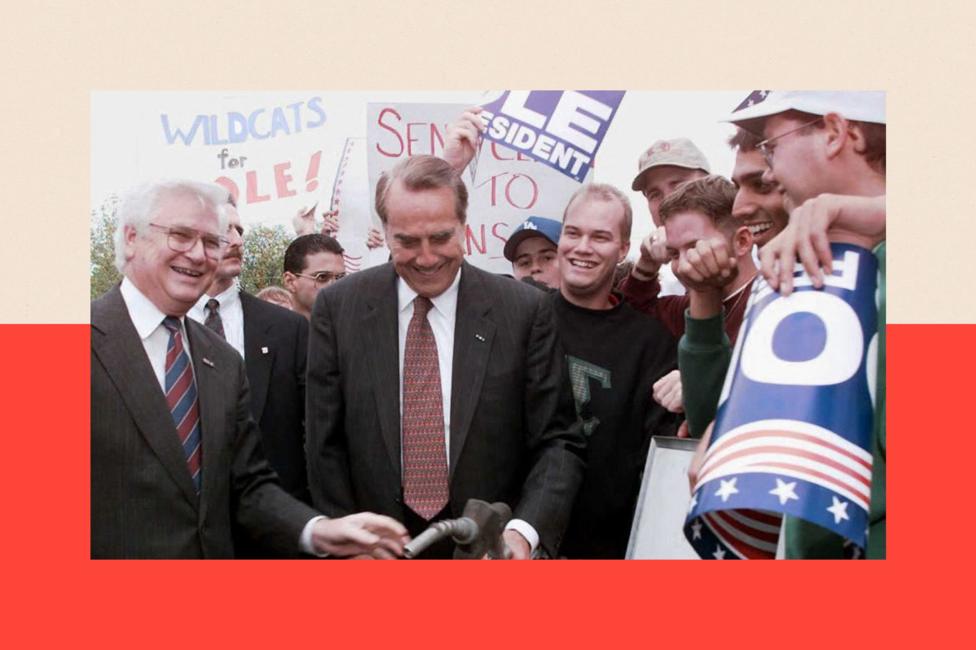 Image source, AFP via Getty Images
Hal Rogers, far left, with Republican presidential candidate Bob Dole, centre, in 1996
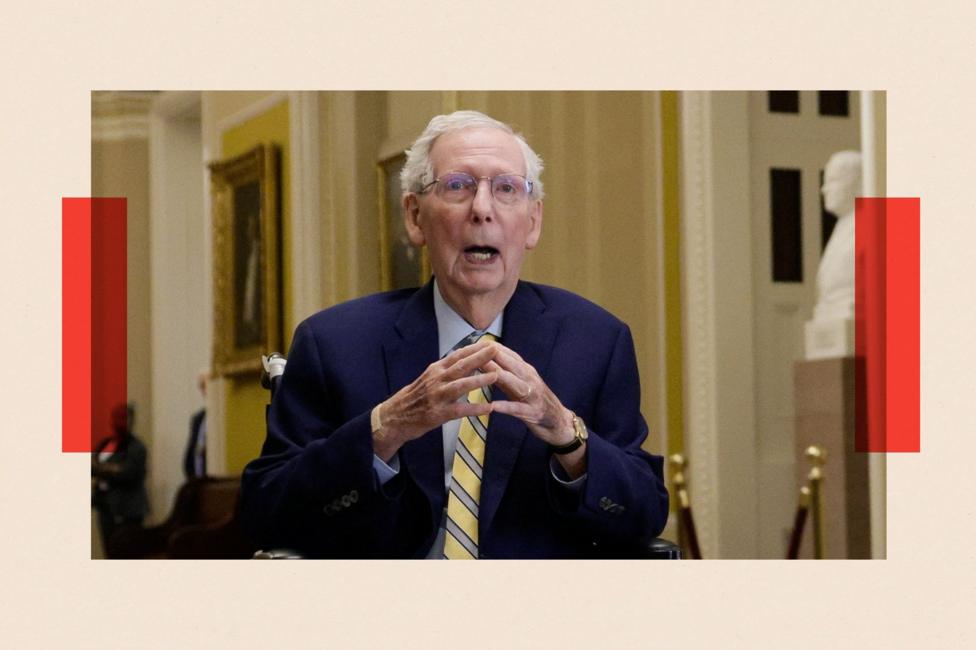 Image source, Reuters
Mitch McConnell's recent long spell of absence has raised questions
 Image source, Reuters
Zohran Mamdani has signposted a possible route for younger candidates
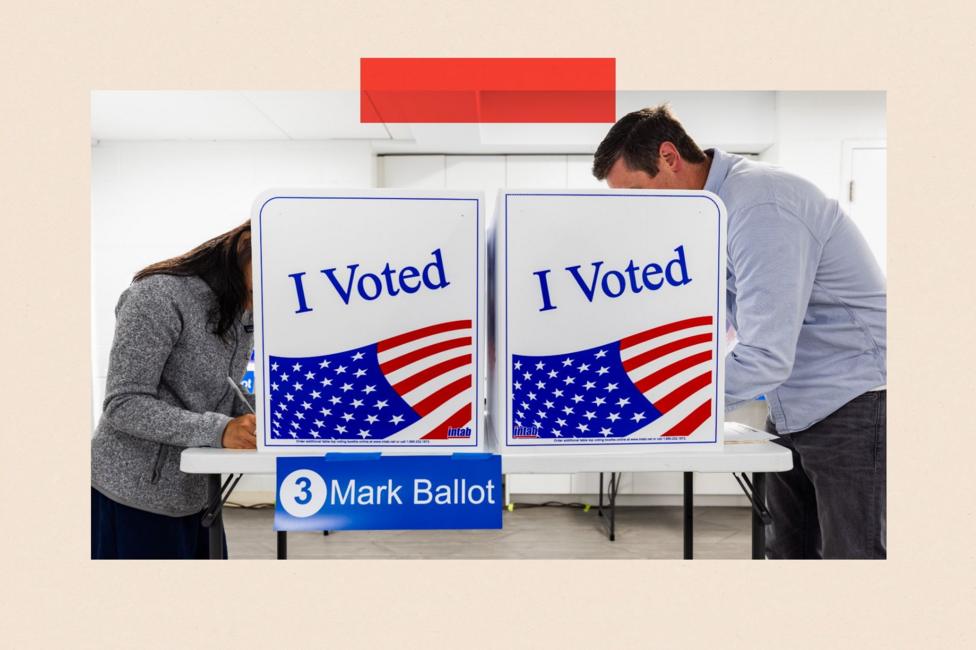 Image source, EPA-EFE/REX/Shutterstock
Young voters tend to be less engaged than their older counterparts
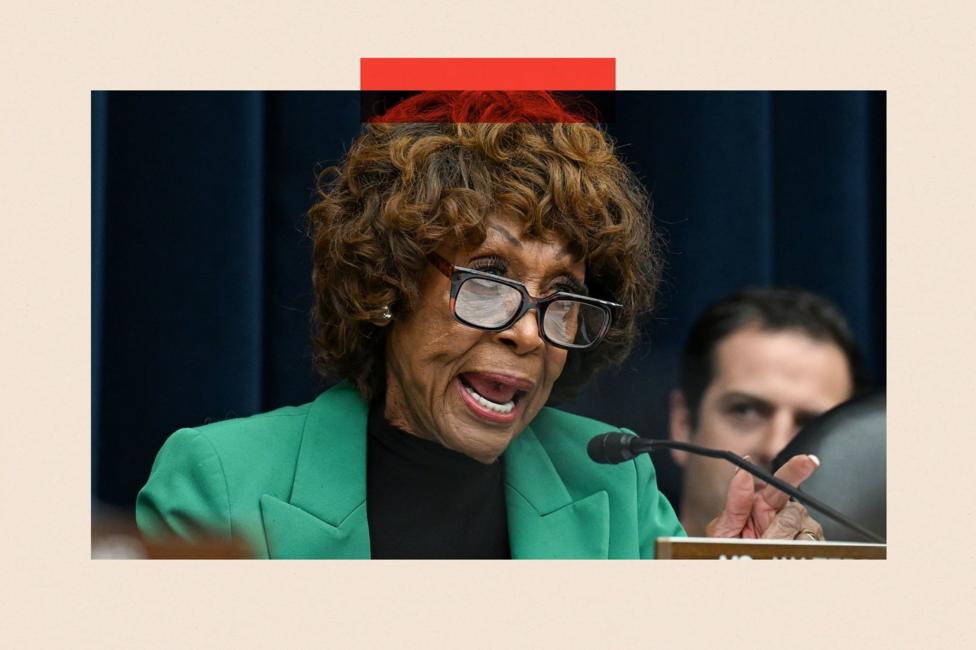 Image source, Reuters
Democrat Maxine Waters' age has also been discussed