The key facts
- Syria sent about 1,000 soldiers to western Sweida over two weeks, bringing troop numbers to 3,000
- Israel, according to sources, is airlifting vehicles and equipment deep into the province — possibly to build a base
- Sweida remains one of the obstacles to a peaceful settlement between Syria and Israel brokered by the US
Troop redeployment and Israeli activity
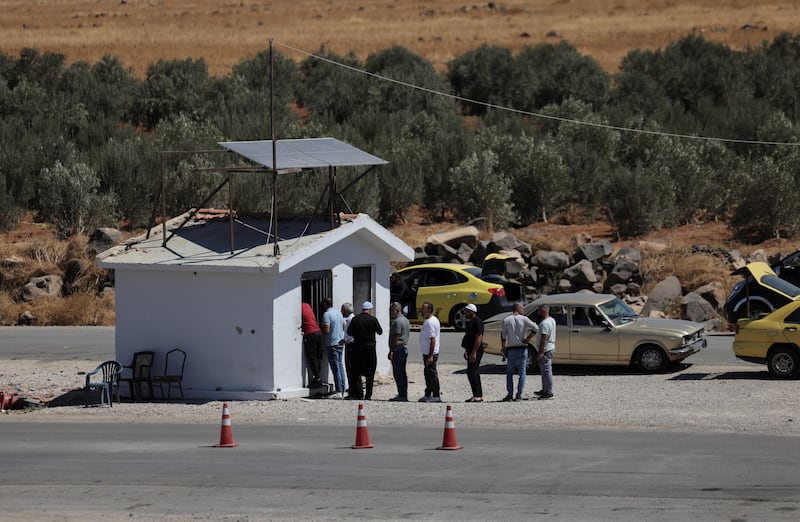
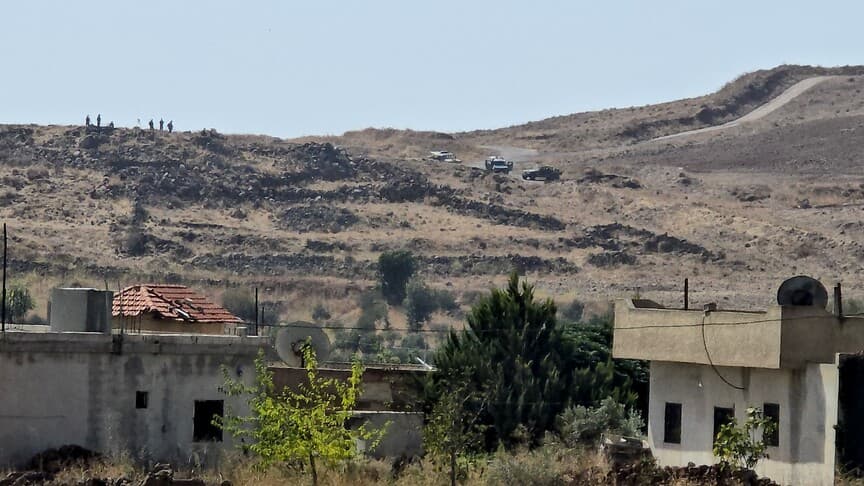
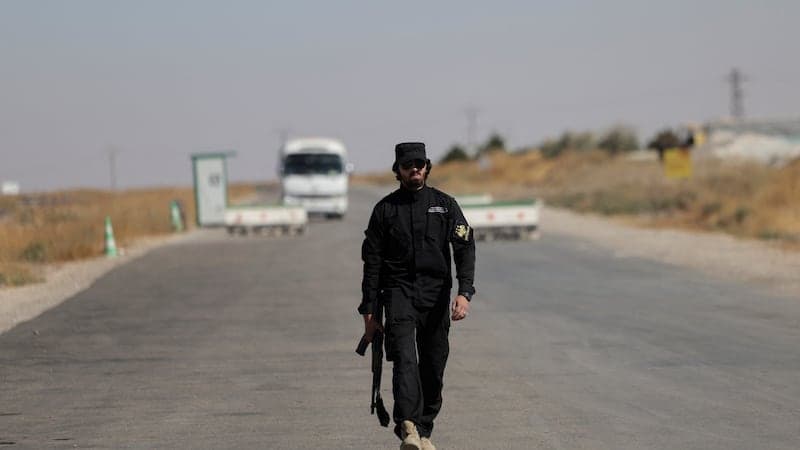
Syria has sent troops to reinforce the southern province of Sweida amid Israeli military activity which, according to sources cited by the agency, may be aimed at establishing a base in the area. The reinforcements have been sent to the front line near districts where members of the Druze community mobilized militias with Israeli support. Over the past two weeks, according to sources, about 1,000 Syrian soldiers, mostly from rural Damascus, arrived in batches by pickup trucks in western Sweida, bringing the total number of government troops to 3,000. A Syrian security official confirmed the dispatch of reinforcements.
Israeli helicopters and equipment
According to sources, Israel is airlifting equipment deep into the province — this may be preparation for building a base. Militias of the 'Sweida National Guard' — a coalition of Druze formations backed by Israel and linked to Hikmat al-Hijri, Syria's chief Druze spiritual leader — have, according to one source, cordoned off 10 hills around the provincial capital. Israeli helicopters are dropping surveillance equipment, radars and other hardware onto some of these positions. A source in contact with National Guard members noted that holding the hills would protect a potential base and enhance Israel's early-warning capabilities against Iranian attacks. According to him, Israel is building up the National Guard's capabilities, so the Syrian army has to factor in the possibility of a Druze offensive.
Context of the conflict
In July 2025, Israeli airstrikes halted a government offensive on Sweida, most of whose population are Druze. Druze forces retained control of the city of Sweida, but government troops captured more than 30 Druze villages to its west and north. About 1,700 people were killed, mostly Druze. In March 2025, the Israeli air force struck targets near Damascus to stop attacks by pro-government fighters on Druze neighborhoods near the capital, in which dozens of people were killed. Last year Israel also established positions in the Quneitra and Daraa provinces as preparation for extending a military line parallel to the occupied Golan Heights.
Restraint on both sides
Syrian reinforcements are operating quietly so as not to provoke Israel, which carried out major airstrikes against government forces last year. According to a source, Damascus 'cannot appear inactive' against the backdrop of Israel's expanding military presence in the country. At the same time, neither the Druze of Sweida nor the authorities want a resumption of hostilities: the army does not want to invite an Israeli response, while al-Hijri understands that fighting would make Druze outside Sweida, especially in Damascus, more vulnerable to sectarian attacks. Al-Hijri condemns the government that replaced Bashar al-Assad as extremist and demands a new constitution. For the past 22 months, Syria's central government has been formed by figures from Hayat Tahrir al-Sham — a former al-Qaeda affiliate that overthrew Assad in December 2024.
Diplomacy and settlement
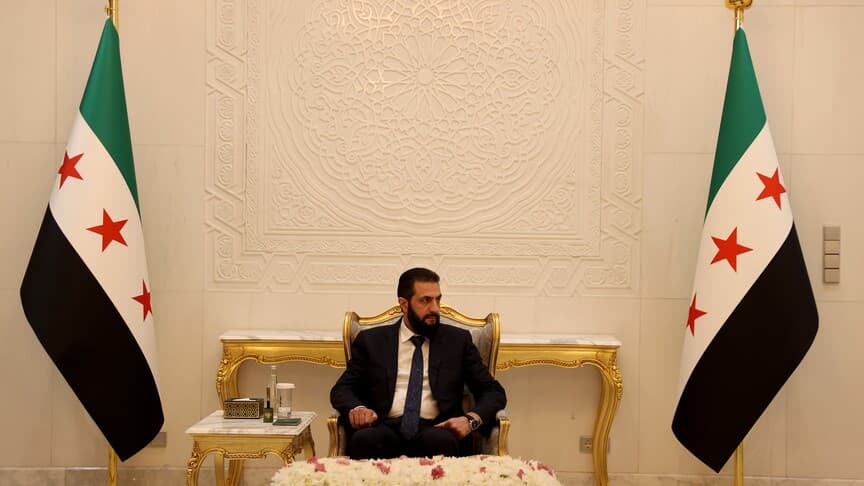
The American envoy Tom Barrack discussed the situation in Sweida with President Ahmad al-Sharaa during a brief visit to Damascus on Wednesday, a Western diplomat said on condition of anonymity. Last September, Barrack brokered an unimplemented deal between Syria, the US and Jordan to settle the Sweida issue. Barrack said Syria's role is 'key' to a durable peace, without disclosing details. Tensions rose after an inconclusive US-backed meeting in Jordan in August, after which Israel expanded its military presence on Syrian territory in provinces east of Sweida.
Additional data and background
A source in the neighboring province of Daraa said Israeli commanders and personnel move by helicopter between Israel and Sweida, and that men from Sweida were taken to Israel for training in drone operation. According to him, Israeli helicopters are visible over the Yarmouk river basin and villages of Daraa on the way to Sweida, and the National Guard has received communications equipment, night-vision devices and sniper rifles. The Druze are one of three communities in Syria whose relations with the new government have been marred by violence: in March last year the authorities sent regular troops and militias into Alawite coastal areas, and in January a campaign in the east brought the Syrian Democratic Forces, a predominantly Kurdish group, under government control after the US ended its support for it. Several hundred thousand Druze out of a million worldwide live in Syria; the community is also present in Jordan, Israel, Lebanon and the diaspora, mainly in Latin America, with its heartland considered to be the Shouf mountains in Lebanon and Sweida.