The key facts
- Protests began with schoolchildren over school conditions, then students joined them
- The main grievance is rent costs: in Paris an ordinary apartment costs about 2 thousand euros per month
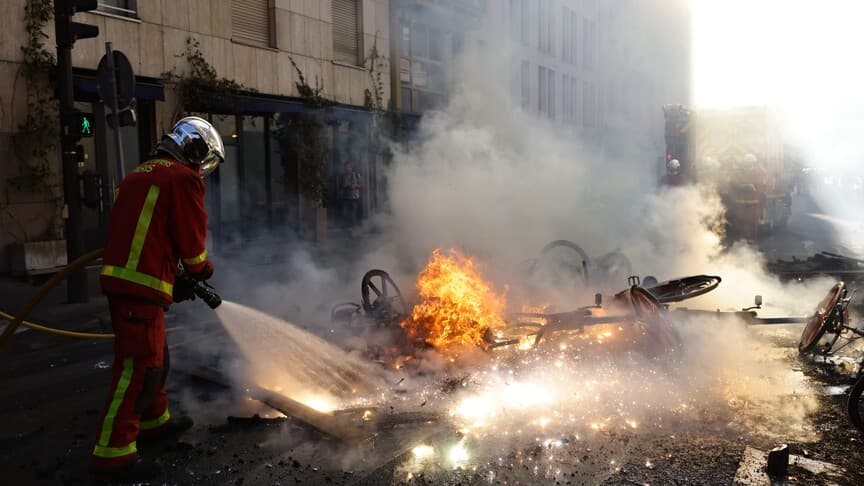
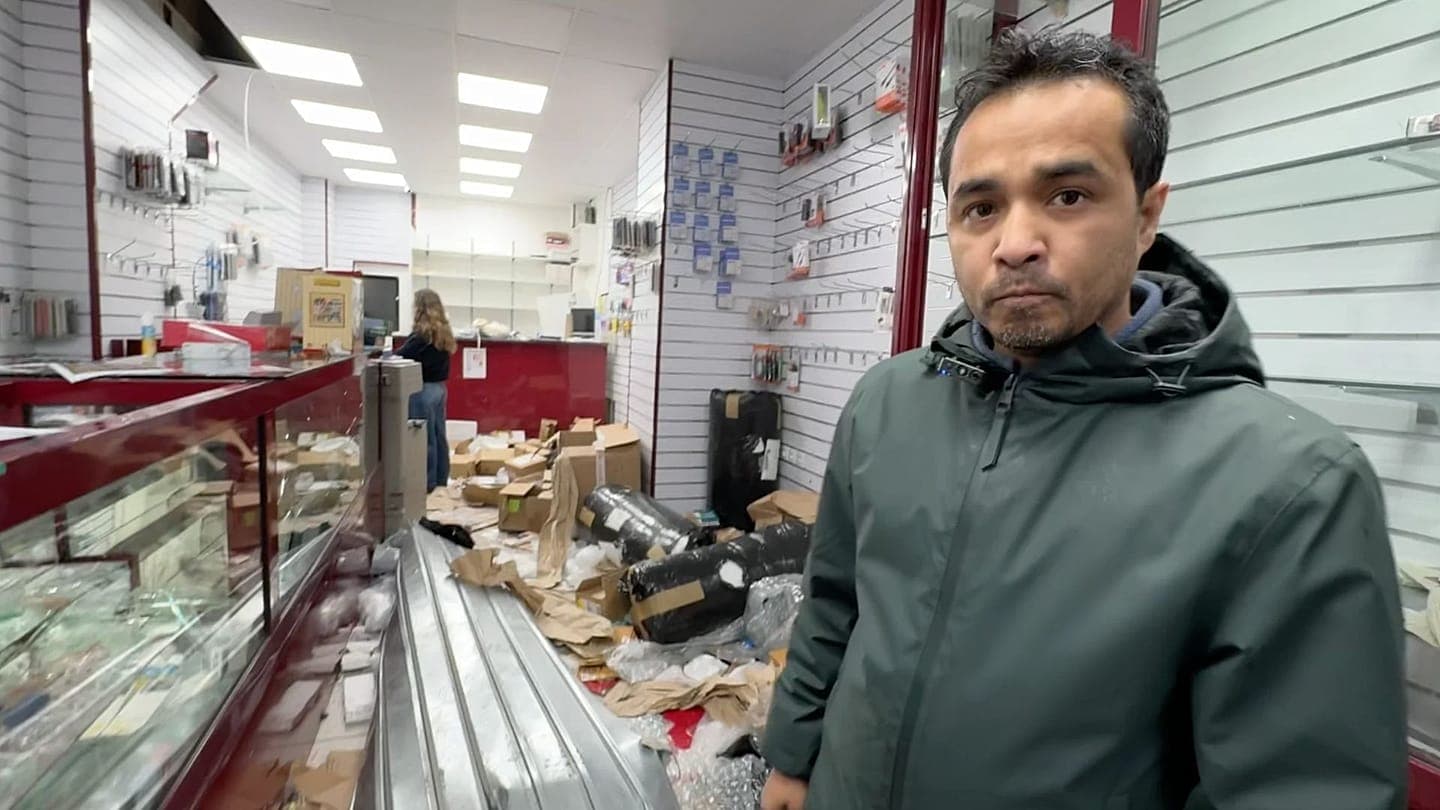
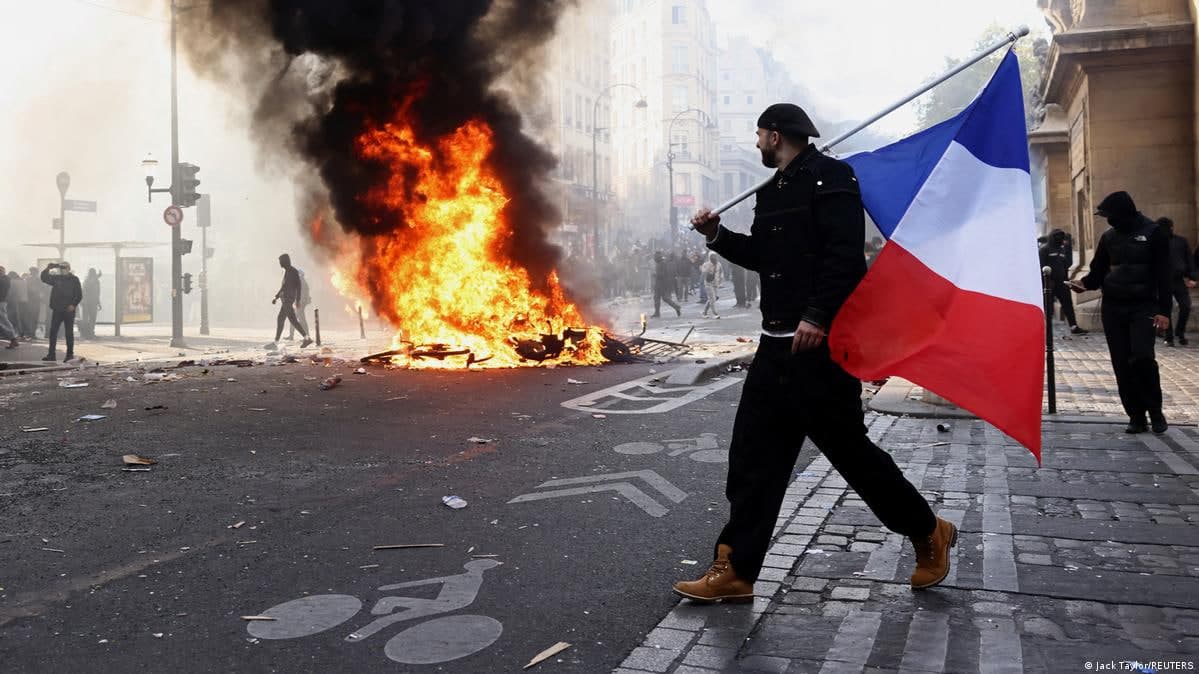
- Kun.uz notes that radical groups turned peaceful actions into riots and store looting
Start of the protests
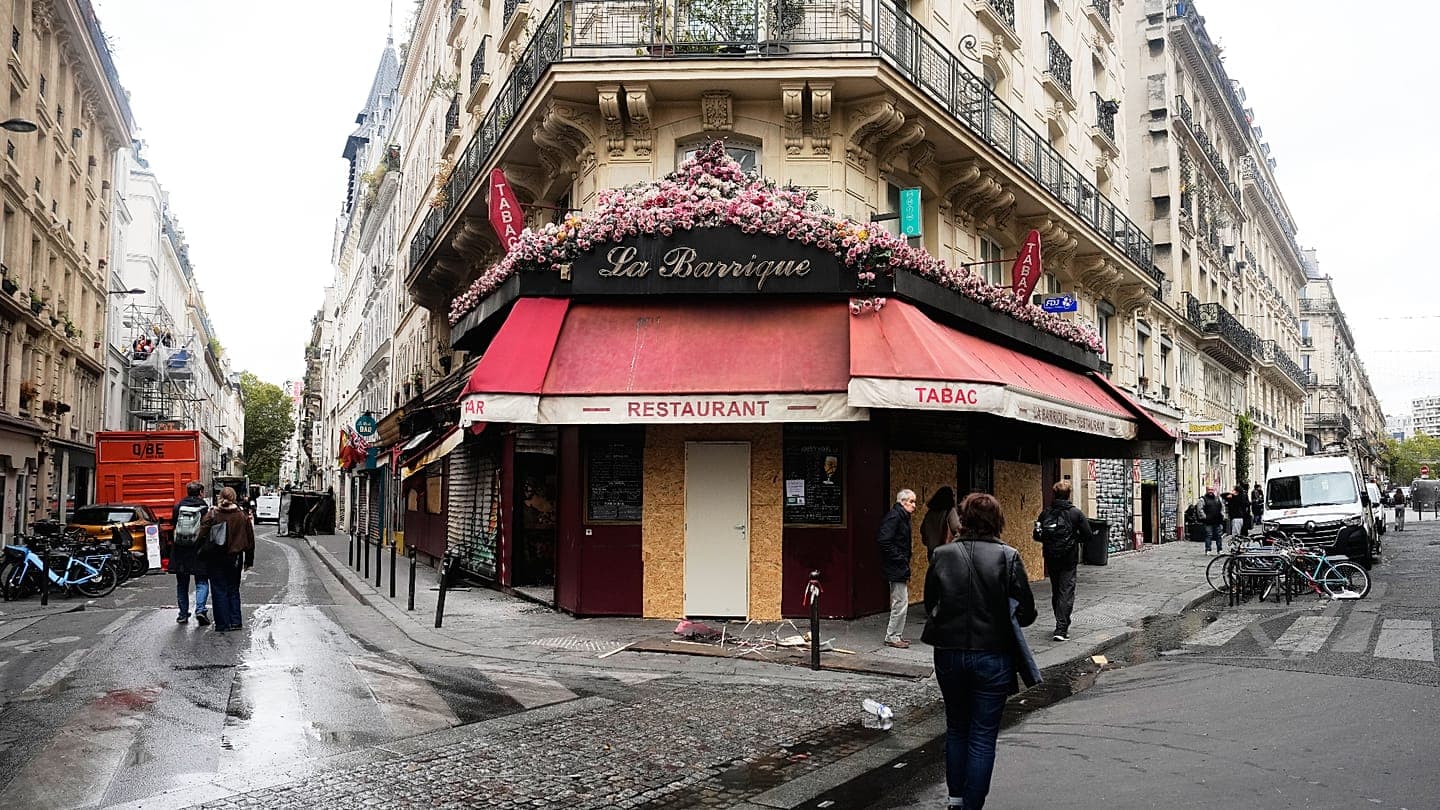
The unrest began in schools on the outskirts of Paris. Pupils took to the streets, unhappy with poor learning conditions: overcrowded classrooms, dilapidated buildings and a shortage of teachers. Then students joined the protesters. As Kun.uz notes, in France protests spread very quickly: most actions pass peacefully, but radical groups often use them as a pretext for riots and looting. According to the outlet, this time groups with 'bad intentions' seized the initiative and turned peaceful protests into pogroms.
The cause of discontent — housing prices
The protesters' main demand is linked to rising prices, and the authorities hold to the same version. Paris residents are unhappy that the cost of buying and renting housing is too high compared with incomes. According to Kun.uz, renting an ordinary apartment in Paris costs about 2 thousand euros per month, and finding a job with such a salary is not easy.
Economic roots of the problem
The outlet explains the situation by the market economy and Paris's status as a tourist center: wealthy buyers from all over the world purchase real estate there to rent out, which drives up prices. As a result, many apartments in Paris have become accessible to rich tourists, while for a French person on an ordinary salary rent eats up a significant part of their income. The protesters believe that France should be, above all, for the French, and that the government should help local residents. Kun.uz notes that a similar problem is characteristic of many developed European countries, and in Germany it became one of the reasons for the ruling party's defeats in regional elections.
The role of youth from migrant families
The outlet asks why coverage of the protests emphasizes young people from migrant families, although the problem is local in nature. According to Kun.uz, it was precisely the children of migrants who were most active at the actions: ordinary French people took to the streets to convey social demands to the government, whereas the aforementioned young people broke into stores.