The key facts
- According to the author, more than 100 Palestinian prisoners have died in Israeli prisons since the start of the Gaza conflict.
- The author links detention conditions to the policies of National Security Minister Itamar Ben-Gvir, who oversees the prison service.
- Independent access to places of detention, investigations into deaths, and international pressure are required.
The claimed scale of the crisis
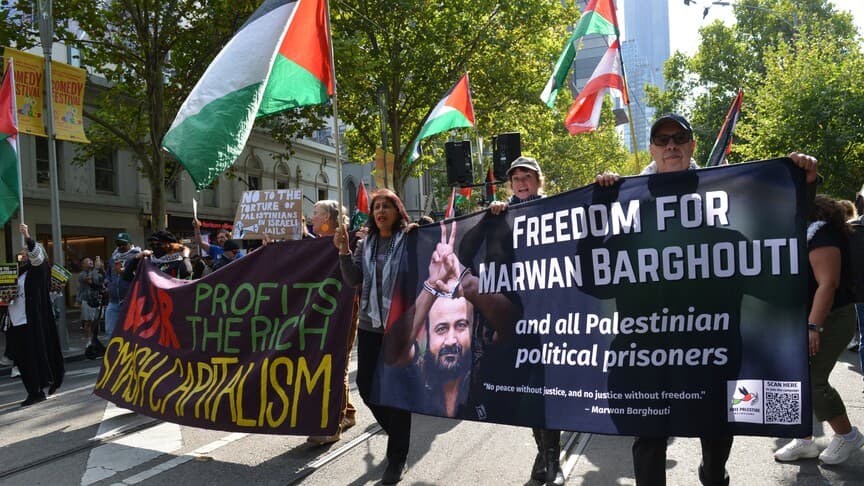
Raed Mohammed Mahmoud Amer, president of the Palestinian Prisoners' Association, writes in an opinion column for Anadolu that Palestinian prisoners in Israeli prisons are facing a serious human rights crisis. According to him, since the start of the 'genocide' in the occupied Gaza Strip, more than 100 Palestinian political prisoners have died as a result of the practices applied. He cites reports and testimony of cruel treatment, torture, denial of medical care, and degrading treatment. It is noted that this is the author's opinion and does not necessarily reflect the editorial position of Anadolu.
Described conditions and leadership responsibility
The author asserts that prisons have become a central element of the system of occupation and repression. Among the described cases are rubber bullets fired at point-blank range at prisoners inside cells, denial of medical care, and delays or refusals to hospitalize the seriously ill and wounded. Amer is particularly concerned about the policies and public positions of Israel's National Security Minister Itamar Ben-Gvir, who oversees the prison service. The author insists that political leadership bears responsibility for detention conditions and the consequences of its decisions.
International legal dimension and criticism of double standards
Amer emphasizes that the prohibition of torture is absolute and cannot be justified by political or security considerations, and that international humanitarian law and human rights law oblige humane treatment and medical care for those deprived of liberty. He argues that the international response has not shown the necessary urgency and consistency, and that the gap between declarations and actions undermines trust in the human rights system. In his view, double standards encourage impunity when the victims are marginalized or occupied populations.
Demands on the international community
The author calls for immediate, concrete, and verifiable actions: independent access to places of detention, effective monitoring of conditions, protection from torture, timely medical care, transparent investigations into deaths and grave violations with the preservation of evidence and protection of witnesses. He also demands access to legal assistance and contact with family, as well as extending accountability to those who gave orders, facilitated, or knowingly failed to prevent violations. Amer concludes that every day of inaction leads to new prisoner deaths and undermines trust in international institutions.