The key facts
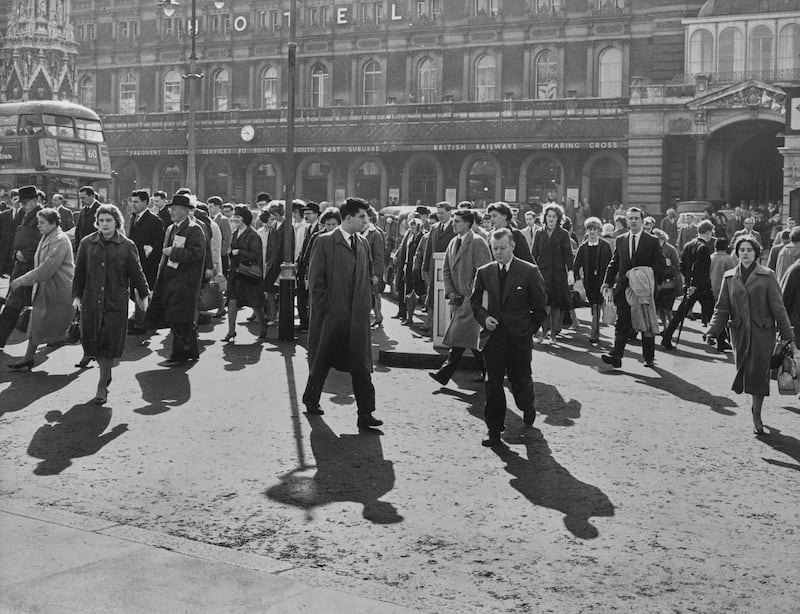
- On 16 March 1965, Peter Allen, who was selling secret UK Ministry of Defence documents, was arrested near Charing Cross station
- Among the documents handed over were top secret US and UK plans for the defence of Lebanon
- Allen explained his motive as a need for money; the Iraqi diplomat was released, citing immunity
Arrest at Charing Cross
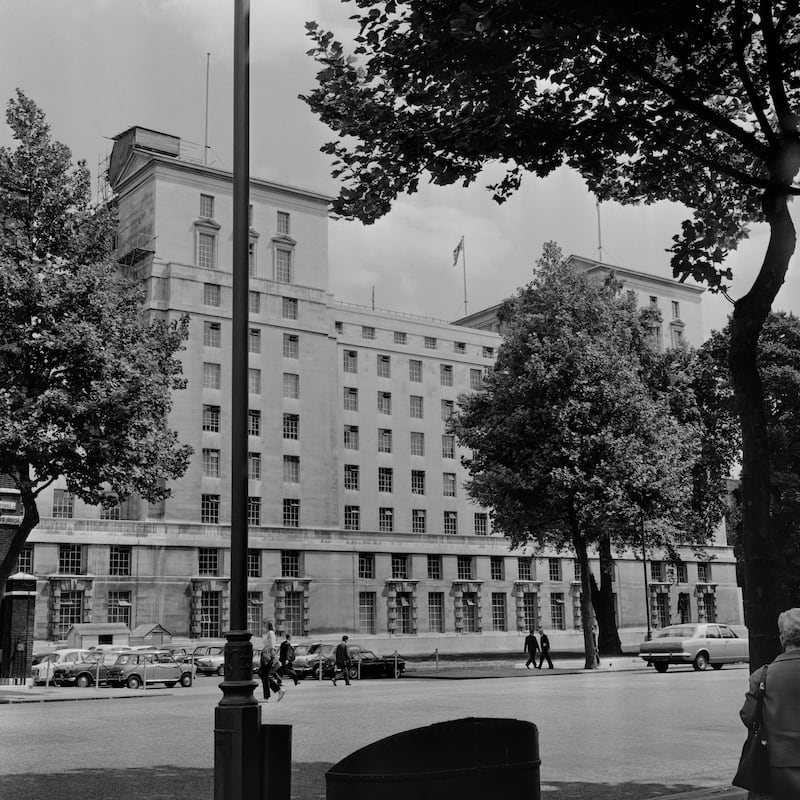
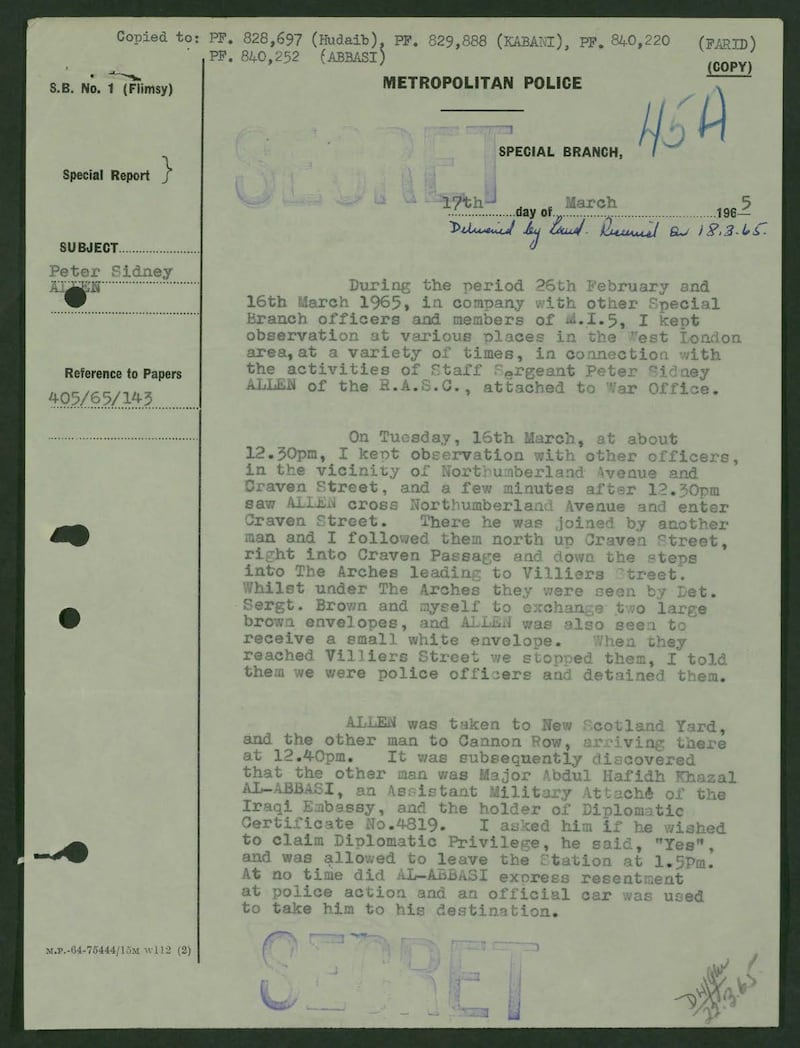
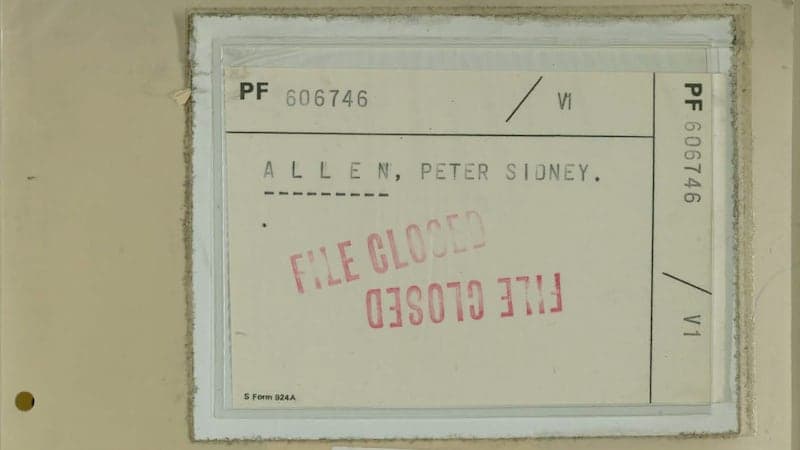
On 16 March 1965, Scotland Yard chief inspector Jock Wilson of the Special Branch followed a suspect near Charing Cross tube station in London. Under the railway arches he saw Peter Sidney Allen exchanging envelopes with another man, after which arrests followed. Allen, a soldier and duty sergeant at the Ministry of Defence, had been under surveillance for a month. His interlocutor — Major Abdul Hafid Hazal Al Abbassi, assistant military attaché at the Iraqi embassy — was taken to Canon Row police station, claimed diplomatic immunity and, a little over an hour later, after the arrival of an official car, was released. Allen was taken to New Scotland Yard and charged with selling state secrets to agents of Egypt and Iraq; he later received 10 years in prison.
What Allen was passing on
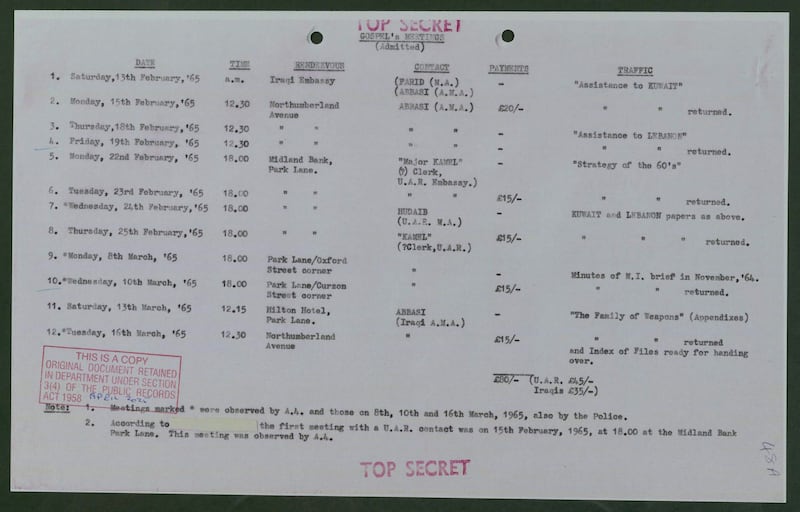
According to The National, citing the documents, over a month Allen held about a dozen meetings, passing, among other things, top secret UK and US plans for aiding Lebanon in the event of an attack on its government, as well as files marked 'Assistance for Kuwait', 'Family of Weapons' and an alphabetical list of the names of files he had access to at the War Office. The operation to catch him was codenamed Gospel and became known thanks to the publication by the National Archives of the UK of a mass of documents from the 1960s, covering, among other things, the Cold War.
Motive and the start of the case
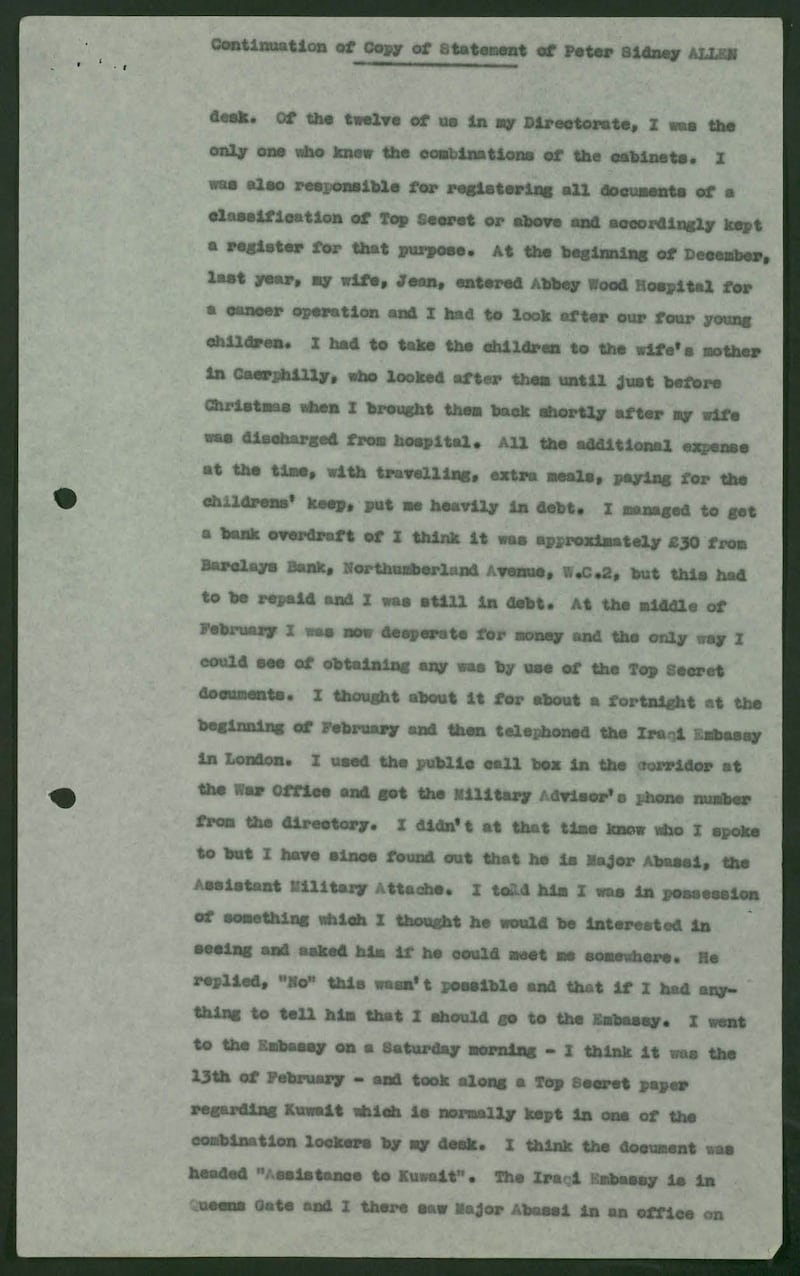
According to National Archives specialist Mark Dunton, the case reveals a strikingly lax attitude to security at the Ministry of Defence, which relied on trust and personnel vetting. As the materials show, the intelligence services were monitoring the Egyptian embassy on South Street in Mayfair, noticed its secret meetings with a British official and began tailing him. Allen had only just begun trading secrets: he himself telephoned from a payphone in the corridor of the War Office to the Iraqi embassy, offering a meeting. In a statement under interrogation he explained: he was desperately in need of money — his wife was in hospital for cancer surgery, four children had returned from their grandmother in Wales, and the bills were mounting. The first handover, for £20, took place at the embassy in Queen's Gate and concerned documents on Kuwait.
The Iraqis' refusal and the Egyptian trail
At subsequent meetings near Charing Cross, the Iraqis refused to pay for the Lebanese papers, calling them 'of no value', and advised him to approach agents of the Egyptian embassy (then the United Arab Republic). By Allen's own admission, he 'made a scene', after which he was promised payment if he brought something valuable, especially about Israel. In all he held about a dozen meetings, at many of which MI5 watchers were present, and usually received £15. He claimed he did not consider what he was passing on 'anything substantial', gave all the money to his wife for household expenses and never told his contacts who he was, where he worked or how to reach him.
The secret Lebanon plan
The file contains a 29-page top secret plan for Lebanon: a joint Anglo-American programme of action in case the Lebanese government requested military assistance to 'repel aggression' and 'maintain order'. The document considered Syria and Israel a 'potential external threat' but acknowledged it was 'highly unlikely' that any of the neighbours would take aggressive action; it saw the main threat to Lebanon's stability in 'a recurrence of internal religious strife', and Syria and Egypt as likely to foment internal unrest through propaganda and agents. The plan provided for air and naval reconnaissance, then the introduction of forces 'if necessary by sea-borne landing': ships of the Mediterranean fleet and RAF aircraft on seven days' readiness, an army company on 24 hours'; the forces were to be moved from a base in Cyprus, with priority given to securing the airport, the port and the city of Beirut.
Consequences and assessments
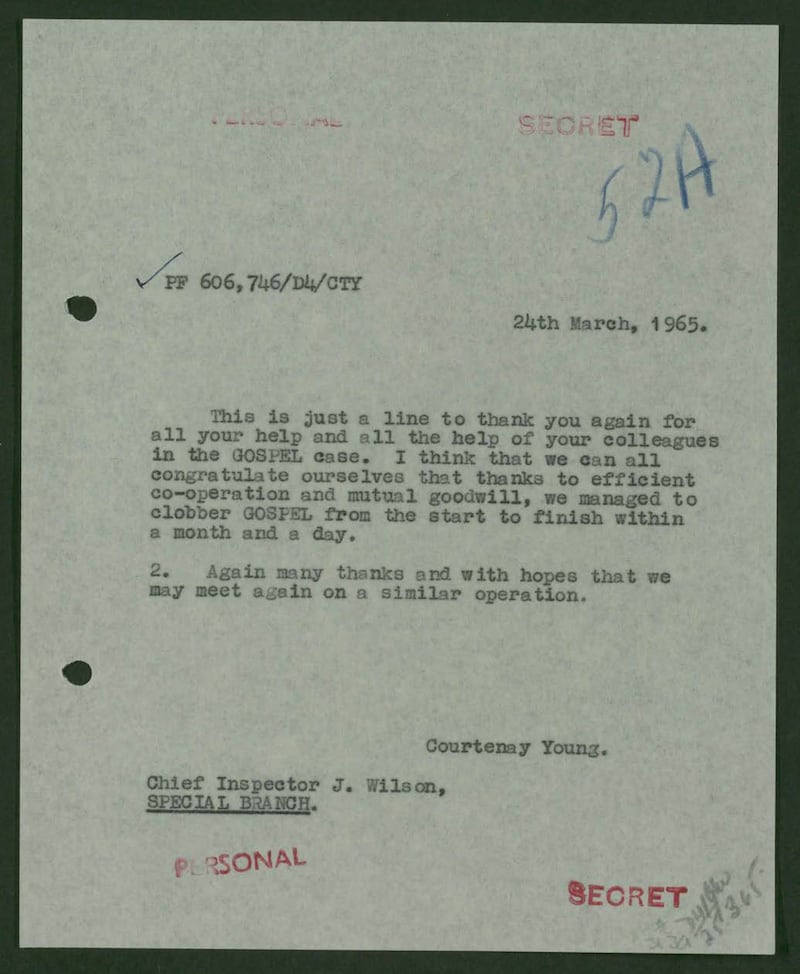
The files also record officials' discussions about the fate of the agents Allen had met: they were not demanded to be expelled, but they were seen flying out of London after they 'became compromised'. Home Secretary Frank Soskice was, reportedly, 'impressed' by the report on the case. Senior MI5 officer Courtney Young, who headed the service's Soviet counterintelligence section, thanked inspector Wilson in a letter: 'Thanks to effective cooperation and mutual goodwill we managed to finish with Gospel from start to finish in one month and one day.' Mark Dunton, who co-authored with his colleague Stephen Twigge the book 'The MI5 Archive: Official Secrets', noted that the Allen case echoes the simplicity of the 'Portland spy ring', and that, despite the 'Keep Secrets Secret' posters in offices, the Ministry of Defence relied on the honesty of its employees — and caught them only when they made mistakes and aroused the suspicions of colleagues.