The key facts
- Wang Yi and Abdoulkader Houssein Omar agreed that the Horn of Africa must not become an arena of geopolitics
- The sides stated that the escalation in the Red Sea threatens the global economy and exacerbates piracy and terrorism
- China and Djibouti called for freedom of navigation, compliance with the Gaza ceasefire, and the two-state solution
Agreements at the meeting in Beijing
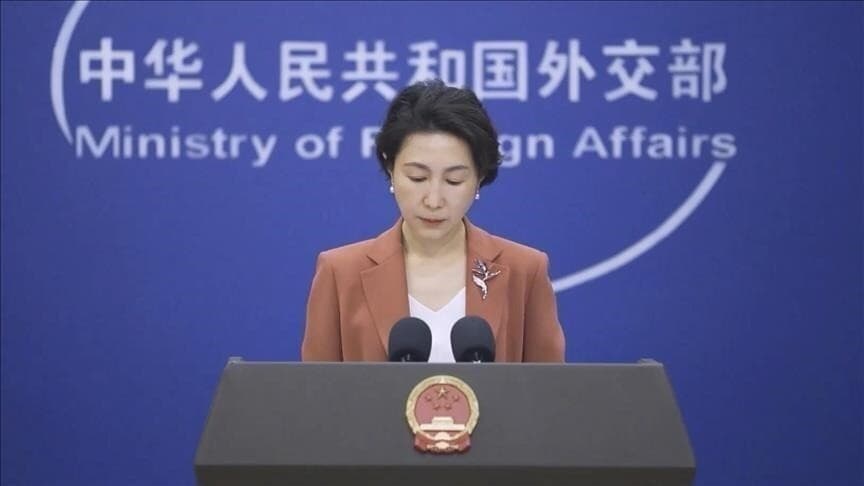
On October 22, China warned against allowing the Middle East conflict to spread to the Horn of Africa, emphasizing that the region 'must never become an arena of geopolitics.' This was stated by the official spokesperson of the Chinese Foreign Ministry, Mao Ning, noting that this position had been agreed the day before at a meeting in Beijing between Chinese Foreign Minister Wang Yi and Djibouti's Minister of Foreign Affairs and International Cooperation Abdoulkader Houssein Omar.
Discussion of the situation in the Red Sea
According to Mao Ning, the heads of the foreign policy departments held an in-depth exchange of views on the situation in the Horn of Africa and the security of shipping routes through the Red Sea. The sides agreed that the recent escalation of tensions in the Red Sea poses a serious threat to the global economy, especially the economic activities of the countries of the Horn of Africa region, and exacerbates security challenges such as piracy and terrorism.
Call for de-escalation
Mao Ning noted that any further spillover of regional tensions into the Red Sea 'is in no one's interest.' The sides called on the relevant parties to abide by the purposes and principles of the UN Charter, the basic norms of international relations, and to avoid escalating tensions in the region through diplomatic means, including dialogue.
Freedom of navigation and the Palestinian question
Wang Yi and Omar attached great importance to freedom of navigation through the Red Sea and the Bab el-Mandeb Strait, emphasizing that the right of commercial vessels of all countries to navigate under international law must be respected. In their view, de-escalation of the situation in the Middle East is key to resolving security problems in the Horn of Africa and the Red Sea. The sides also reaffirmed their support for the restoration of the legitimate national rights of the Palestinian people, stated that the ceasefire agreement in Gaza must be observed, and that efforts to achieve a durable peace in Gaza must continue, emphasizing the importance of implementing the two-state solution provided for in the relevant UN resolutions.