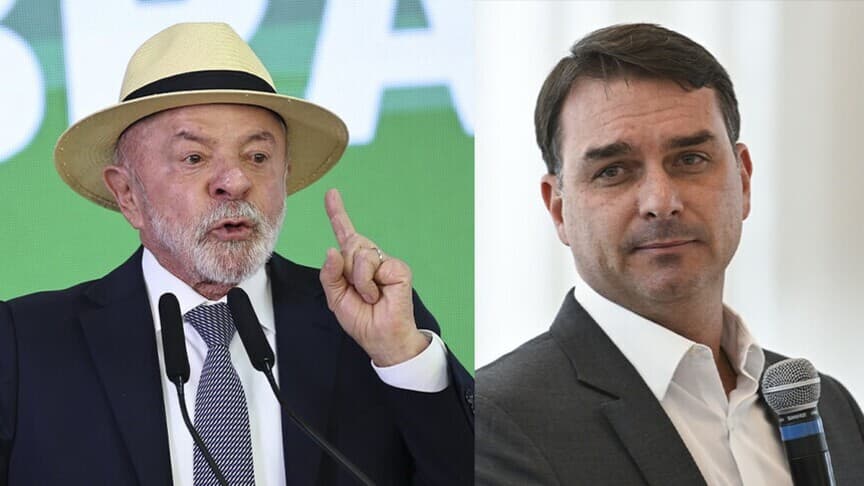
The key facts
- Brazil's presidential runoff will take place on October 25: Flávio Bolsonaro — 47.03% in the first round, Lula — 45.16%
- Polls give Bolsonaro a narrow lead (50.3–52% versus 48–49.7%), margin of error 1–2 p.p.
- The campaign has been marked by corruption accusations from both sides and reports of foreign political advertising; direct interference by a foreign state has not been established
The Course of the Election and the Voting System
Brazil elects its president under a two-round system: to win in the first round, a candidate must receive more than half of valid votes. On October 4, neither Lula (45.16%) nor Flávio Bolsonaro (47.03%) crossed that threshold, so a second round was scheduled for October 25. The winner will take office for a four-year term starting in January 2027. Voting is mandatory for literate citizens aged 18 to 70, and electronic ballot boxes are used, allowing results to be counted quickly. On the same day, runoffs for governor elections will be held in Acre, Amazonas, Espírito Santo, Rio de Janeiro, Rio Grande do Norte, Tocantins, and the Federal District — their outcomes may affect the future president's relations with the regions responsible for security, healthcare, and education.
The Candidates and Their Platforms
Lula, the leader of the center-left Workers' Party, returned to the presidency in January 2023, defeating Jair Bolsonaro in the 2022 election; he previously governed the country from 2003 to 2010. His campaign emphasizes income redistribution, workers' rights, public investment, and support for low-income families, including the Bolsa Família and Minha Casa, Minha Vida programs. Flávio Bolsonaro is a senator from the Liberal Party and the eldest son of former president Jair Bolsonaro, the political heir to his father's conservative movement. He bets on public safety, fiscal discipline, and closer ties with the US, promising to declare major criminal gangs and militias terrorist organizations, expand the prison system, and increase the use of cameras and facial recognition technology. Lula, in turn, proposes federal coordination of security with states and municipalities and the creation of a Ministry of Public Security.
Accusations of Interference and Corruption
The campaign was accompanied by reports of foreign influence. Brazilian media reported that accounts on the X platform, some of them linked to Donald Trump's political movement, published paid posts in support of Flávio Bolsonaro and the prediction market Polymarket. Brazilian law prohibits third parties from paying for candidate promotion and foreign donations; Bolsonaro's campaign, according to media reports, said it was unaware of the advertising. Lula's campaign also accused Meta (Facebook, Instagram, WhatsApp) of influencing the election through political advertising; Meta denied political bias, attributing the glitches to technical problems. Direct interference by a foreign state has not been established. The corruption theme touched both sides: Lula's earlier convictions were overturned by the Supreme Court in 2021 on procedural grounds, and he himself denies any guilt. Flávio Bolsonaro was subject to investigations over alleged financial irregularities and ties to businessman Daniel Vorcaro, linked to the bankrupt Banco Master, including an allegedly sought investment in a film about Jair Bolsonaro; he also denies any guilt. The investigations also concern Lula's son Lulinha — he too denies everything. During the debate on October 18, Lula proposed mutual disclosure of financial documents, and on October 20 his campaign filed with the Superior Electoral Court for permission to review eight years of his own banking, tax, and phone records, as well as those of his wife and five children — on the condition that Bolsonaro do the same for himself and his relatives. At the time of filing, the latter had not agreed.
The Balance of Forces and the Significance of the Election
Polls from the last week show a narrow lead for Bolsonaro: RealTime Big Data and PoderData — 52% versus 48%, AtlasIntel/Bloomberg — 51.1% versus 48.9%, BTG/Nexus — 50.3% versus 49.7%. The margin of error is 1–2 percentage points, making turnout important. The next president will have to deal with household debt, security, and the quality of public services under limited finances. The election takes place against the backdrop of a general rightward shift in Latin America after victories by conservatives and center-right figures in Chile, Colombia, Peru, and Bolivia, as well as governments in Argentina and Ecuador. Bolsonaro advocates closer alignment with Trump, while Lula favors independent relations with Washington, Beijing, and other centers of power. The outcome of the vote may affect the foreign policy of the region's largest country and its ties with the US and China.