The key facts
- Organisers scrapped the athletes' village, housing participants in hotels, container units and a cruise ship with 1,500 cabins
- The North Korean anthem was played instead of South Korea's at a hockey match, and the South Korean flag was not raised correctly at a medal ceremony
- GL Events won a 63 billion yen contract; Tokyo Shimbun accuses the company of cutting corners on staffing
A series of incidents at the Games
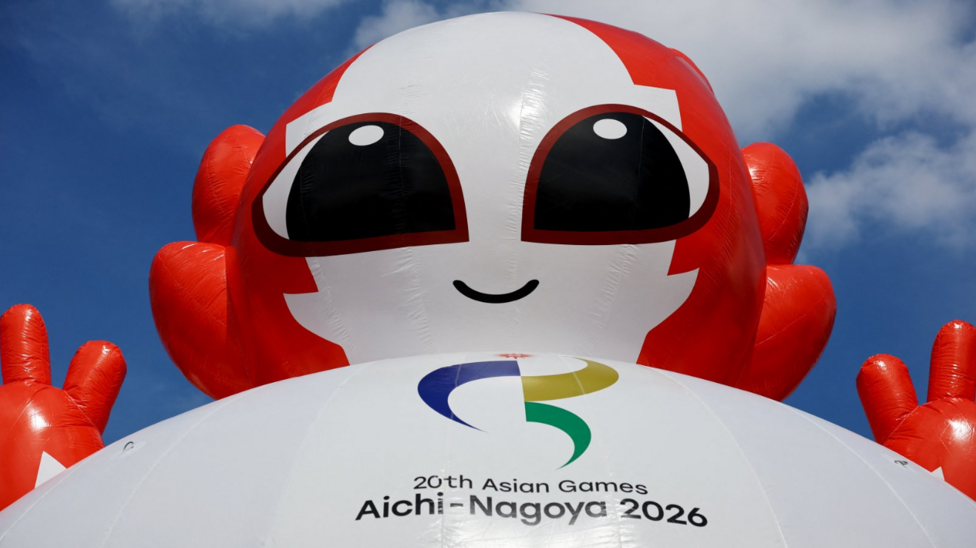
The Asian Games in Nagoya and Aichi Prefecture, usually renowned for hosting major international events, were accompanied by diplomatic blunders, transport failures and accommodation chaos. In online comments, some called the Games 'the worst in history' and demanded 'a full investigation'. Kojo Tomiyama, a professor at the University of Osaka who studies major sporting events, believes the organisers failed to cope with unforeseen situations and warns that the problems could damage international confidence in Japan's ability to host competitions. Games deputy director general Takaaki Omi acknowledged a number of unforeseen problems but said the organisers had taken feedback into account and made improvements.
Accommodation problems
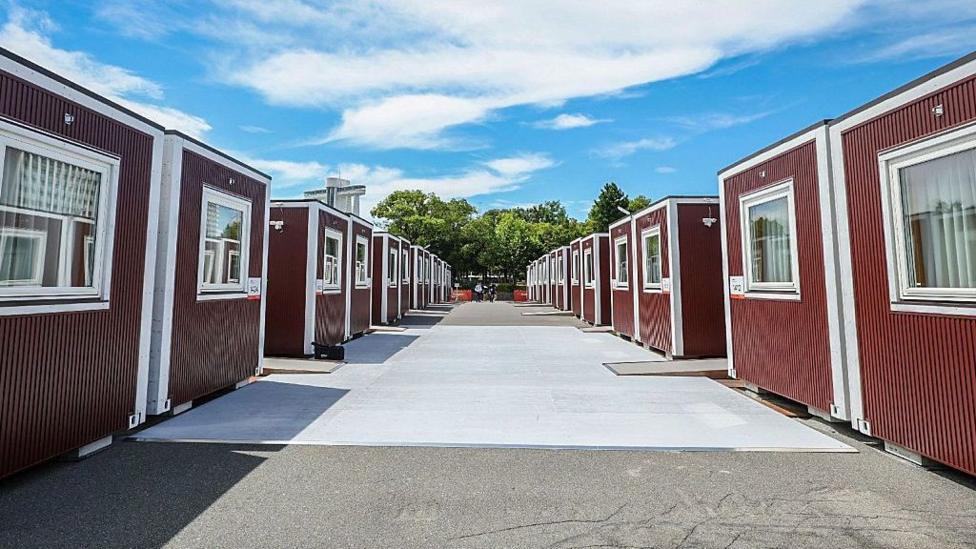
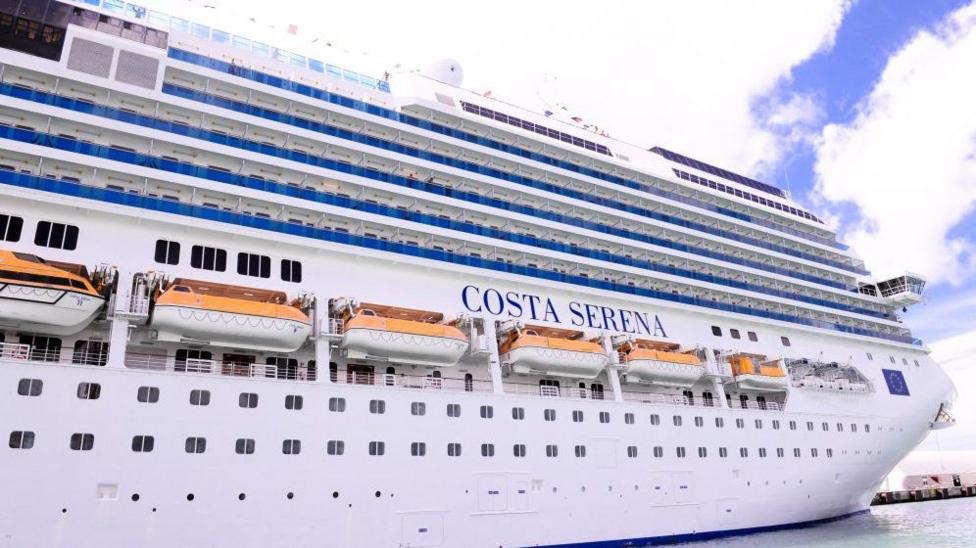
Even before the tournament began, participants complained about a shortage of rooms and poor-quality housing. The organisers abandoned building a traditional Olympic village to save money, housing participants in hotels and container units across Nagoya. A Korean basketball official said that tall athletes in the containers found it difficult to 'stretch their legs out on the beds'. Due to a final increase in the number of participants, an Italian cruise ship with 1,500 cabins had to be brought in. According to Omi, the committee initially arranged housing for 15,000 delegation members 'in line with the host city contract', but after additional sports were added the number rose by 2,000 to 17,000. The organisers first stated there was 'simply nowhere' to house late arrivals and suggested they sort it out themselves, but then issued a joint statement with the Olympic Council of Asia, promising all '17,000+' guests 'housing suitable for the Games'.
Anthem and flag errors
During the Games, athletes were driven to the wrong venues, the North Korean anthem was played for the South Korean men's hockey team, and at the men's football medal ceremony the South Korean flag was not raised correctly. Taiwan's sports minister was temporarily barred from a flag-raising ceremony. In the final days of the Games, volunteers received a letter inviting them to the closing ceremony for free, but an organiser later said that the decision to distribute free tickets was still under consideration and had not been approved. Omi admitted that the string of incidents had caused significant inconvenience to a number of delegations.
Questions for the contractor
Local media pointed to the company managing the venues — the Japanese subsidiary of France's GL Events. It won a 63 billion yen contract (£306 million; $405 million) from Dentsu Group, an advertising giant with a history of successfully staging sporting events in Japan, which was removed after a criminal conviction for bid-rigging. A source told the Kyodo news agency that GL Events was 'noticeably cheaper' than the alternatives. Tokyo Shimbun accused the company of aggressive cost-cutting in hiring, leading to a shortage of experienced staff, and of inadequate training for recruited employees. Omi stressed that GL Events 'has experience of international sporting events, including the Paris Olympics', and that the necessary competition environment was in place by the start of the competitions. Tomiyama does not think it right to 'simply conclude that GL Events lacked sufficient experience', instead seeing the problem in the 'extremely broad' scope of responsibility; he also noted that the contract was negotiated rather than competitively tendered, and that it is important to examine the contractor evaluation criteria and oversight after the contract was awarded. GL Events did not respond to repeated requests from the BBC.
Apologies and continuing problems
Officials had to issue official apologies to South Korea over a series of incidents affecting its delegation. Olympic Council of Asia director general Husain Al-Musallam highlighted the 54 new world records set at the Games in swimming, weightlifting and shooting as proof of success: 'This achievement would be impossible without the best environment created by the organising committee for the athletes,' he noted. Meanwhile, failures continue at the ongoing Paralympic Games, where the wrong national anthems were played at three events. Nagoya Mayor Ichiro Hiroswa, also vice-president of the organising committee, called this 'unacceptable' and offered apologies. Professor Tomiyama hopes the organisers will learn lessons for staging better events in the future.
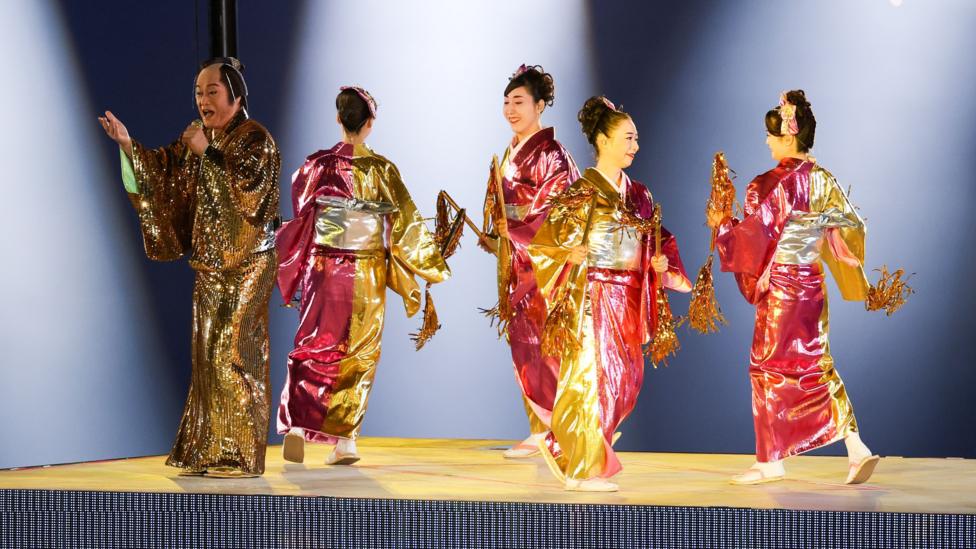 Image source, Getty Images
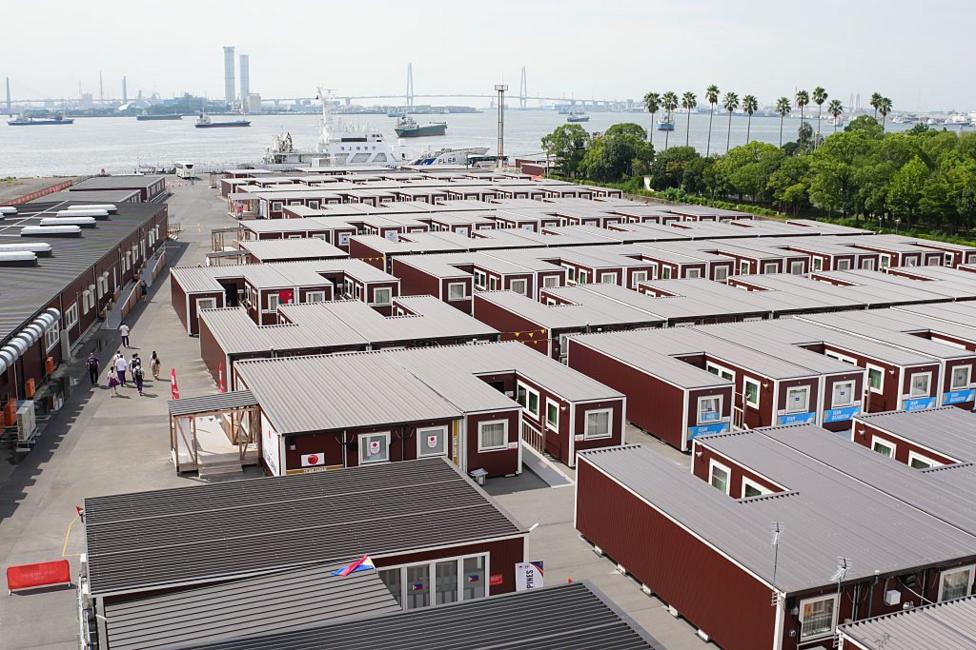 Image source, Getty Images
Container units were used to host some participants as organisers opted not to build a traditional athletes' village
 Image source, Getty Images
Organisers acknowledged major challenges and said athletes from some delegations had been inconvenienced
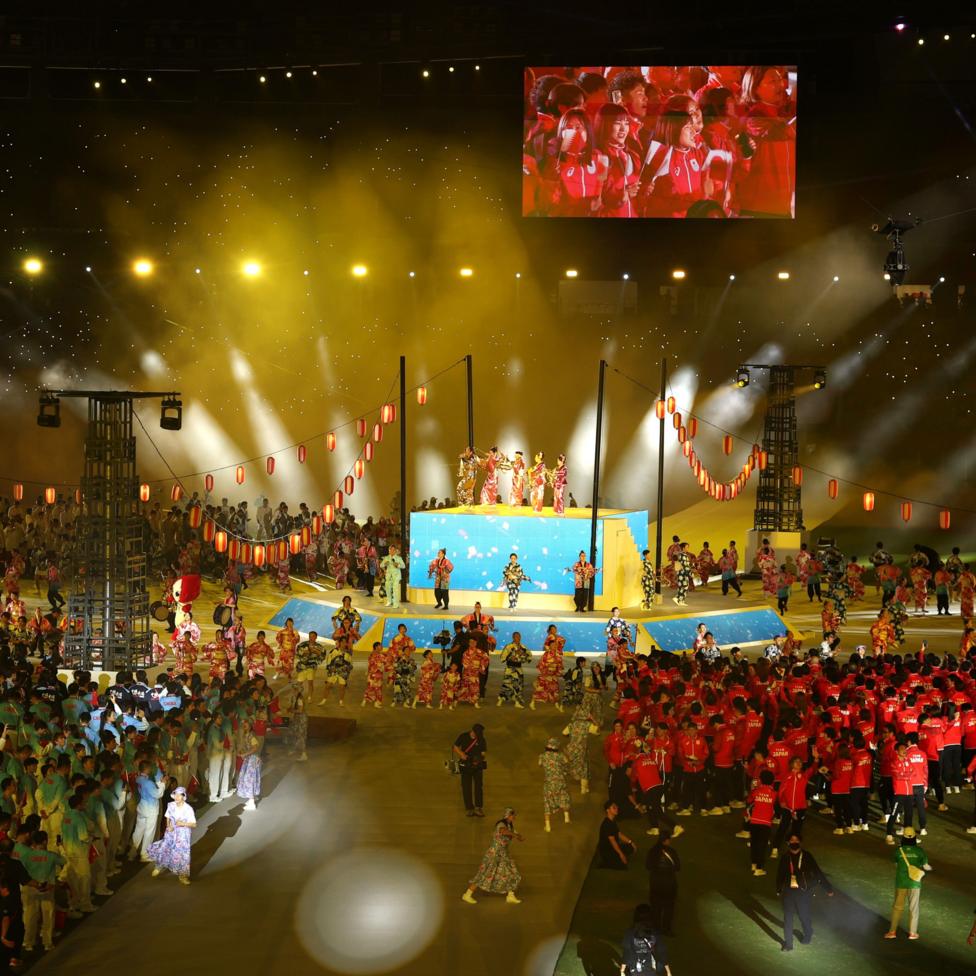 Image source, China News Service/VCG via Getty Images
Volunteers were told they could attend the closing ceremony for free, before an organiser said that decision hadn't been approved