The key facts
- Polls give both blocs about 50 seats out of 120; Arab lists 13–14 mandates
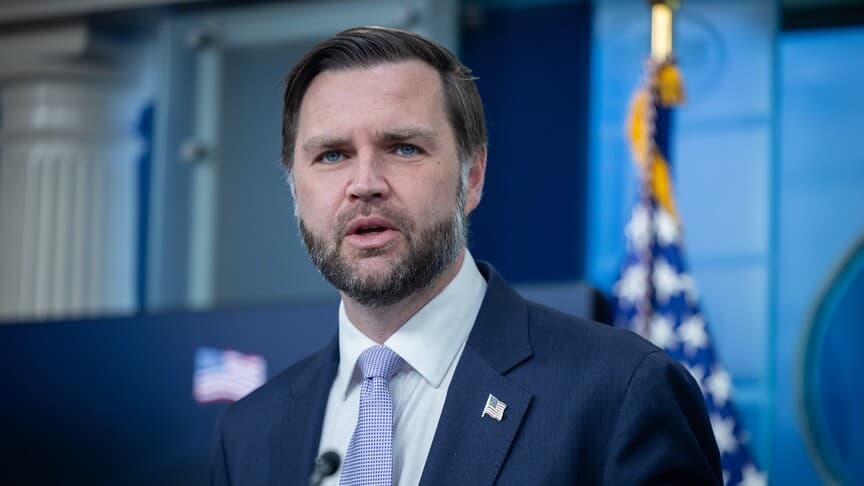
- Eisenkot rules out a coalition with Arab parties; Mansour Abbas seeks to join the government
- Crime is the top factor for 53.5% of Arab citizens (IDI); a record 252 killings last year
Kingmaker parties
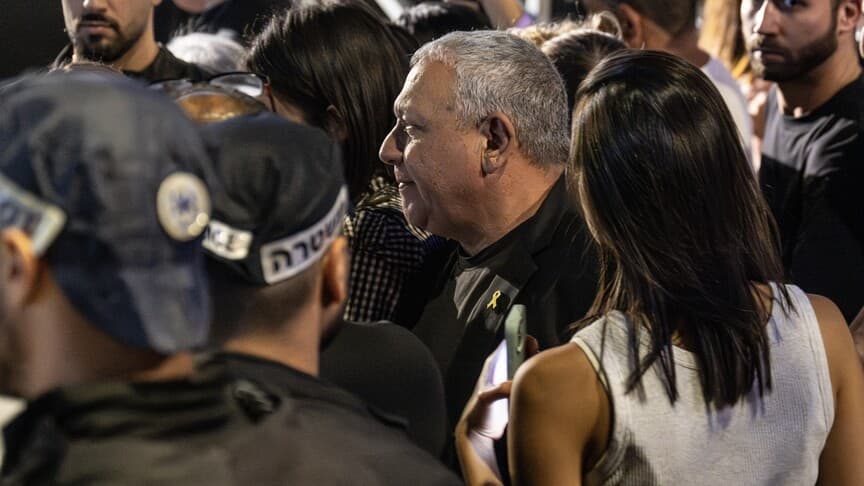
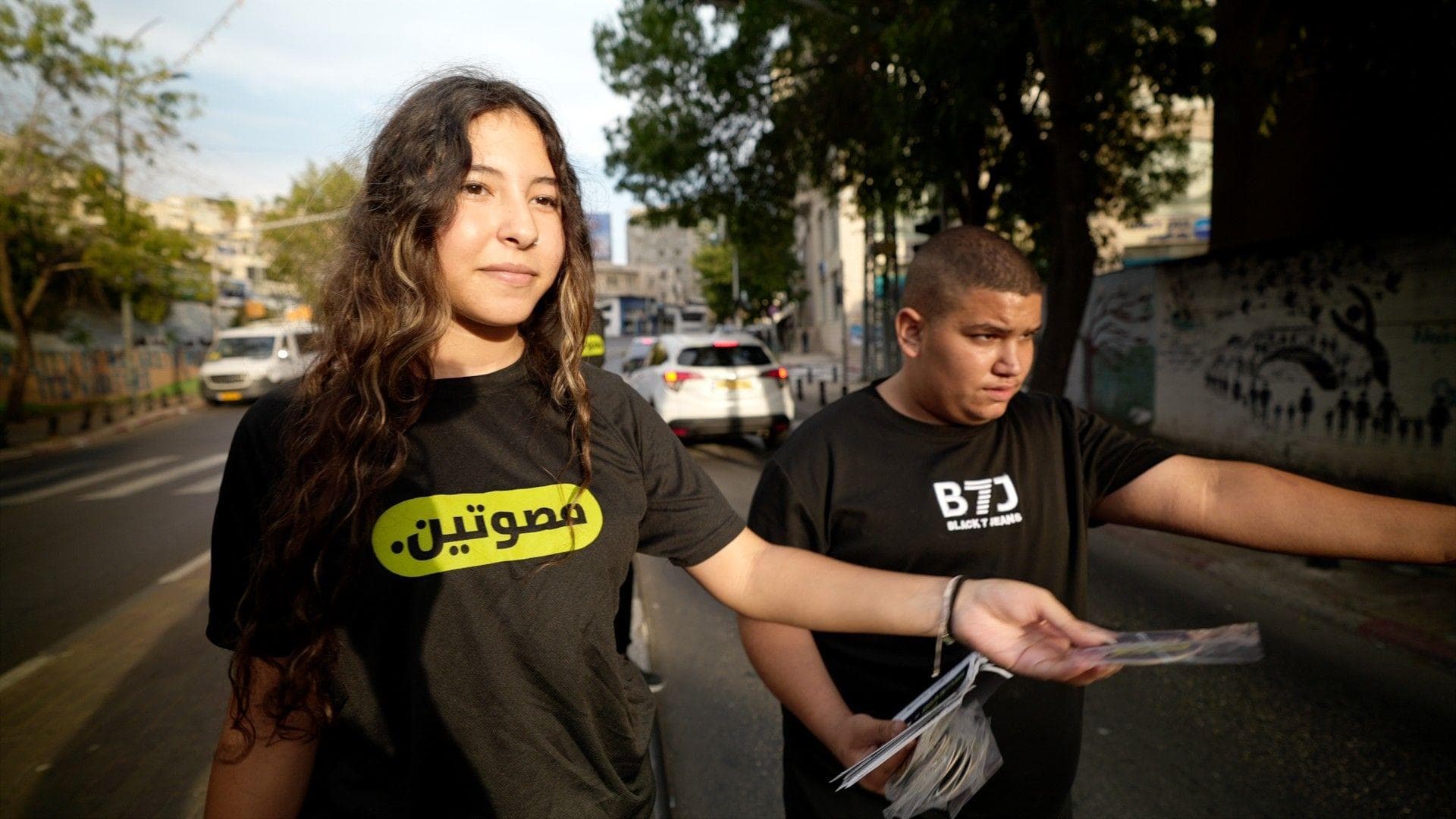
A week before Israel's general election, students in Nazareth — the country's largest Arab city — are handing out leaflets urging Arab Israelis to vote. Polls show Arab parties could emerge as holders of the decisive balance of power: most surveys indicate that neither the bloc of incumbent Prime Minister Benjamin Netanyahu with ultra-right and ultra-Orthodox parties, nor the 'Bloc of Change' led by centrist former chief of staff Gadi Eisenkot, has a clear path to a parliamentary majority. According to this week's polls, each bloc could win about 50 of 120 seats, while the Arab lists could take 13–14 mandates. These are the Joint Arab List (a coalition of Hadash, Balad and Ta'al) and the smaller Islamist United Arab List led by Mansour Abbas. Almost all major Jewish parties have ruled out a coalition with the Arab lists; Eisenkot cites a 'lack of shared values'.
Mobilisation against the government
Arab Israelis — about a fifth of the population, often calling themselves Palestinian citizens of Israel — have historically shown low turnout, but they are now being mobilised by the desire to replace the most right-wing government in the country's history. 'I consider it my duty to bring down this extremist government. They treat us as second-class,' says 23-year-old Arkan Badran. After Hamas's 7 October 2023 attack and the war in Gaza, distrust and hostility towards the Arab minority have grown. Suha Salman Mousa of the Mossawa Centre in Nazareth says that after 7 October Arabs were 'treated as enemies of the state', noting shrinking space for free speech, arrests and dismissals over social media posts or protests against the war. She accuses ministers of 'systematic discrimination and incitement'; human rights groups speak of disproportionate cuts to Arab community budgets, while the government explains the cuts as necessary to fund defence and security. Campaigns against Arab doctors and racially motivated attacks on Arab bus drivers have also been reported. Far-right Finance Minister Bezalel Smotrich has promised to 'Judaise' parts of Galilee and the Negev, comparing it to settlement expansion in the West Bank. Netanyahu's campaign is putting up 'Right or Palestine' billboards — including at the entrance to Nazareth — and using AI-generated videos in which opponents 'embrace' Arab leaders; the prime minister himself claims his rivals plan to form a 'dangerous government' with Arabs.
Positions of the Arab lists
Mansour Abbas, whose party grew out of the Islamic Movement in Israel, is known for cooperation with Jewish partners: in 2021 he became a minister in Naftali Bennett's short-lived government. In this election he unexpectedly gave second place on his list to a Jew — former police official and centrist MP Yoav Segalovitz. Abbas insists on his desire to enter the next government: 'We decided to take responsibility, become part of the solution to our problems and offer hope to both Arabs and Jews... our goal is a position of influence, not just representation.' The Joint Arab List, which unites secular parties and advocates equal rights, an end to the occupation and two states, speaks of 'electoral insurance' for those who would replace Netanyahu's government, in exchange for support on key issues. Radio Nas news anchor and Channel 12 analyst Mohammed Magadli, son of Israel's first Muslim minister Raleb Magadli, calls Eisenkot's refusal of an alliance with Arab parties 'racism', explaining it by Netanyahu's political interests, as he 'tries to strip Arab parties of legitimacy'.
Crime as the main issue
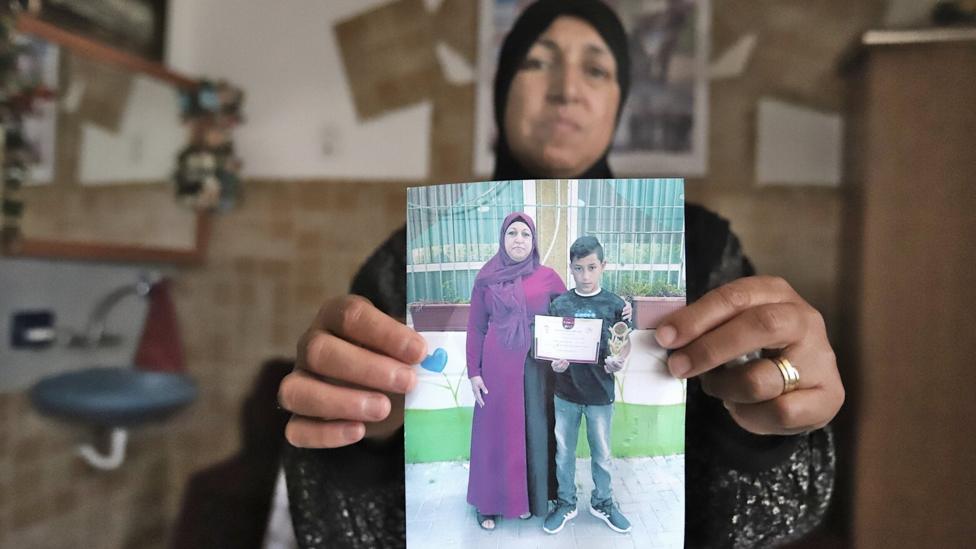
A key election issue for Arab Israelis is rampant gang crime. According to a September poll by the Israel Democracy Institute, for 53.5% of Arab citizens this is the most important factor when choosing a party. According to the organisation Abraham Initiatives, killings in the community reached a record 252 last year — roughly five times higher than among Jewish Israelis. In Jaffa, Ziad Samuni showed the spot where his son Hussein was shot dead outside their home in November last year; no arrests have been made, and Arab Israelis accuse the authorities of inaction amid a low clearance rate. Police told the BBC that the investigation is ongoing and that they treat 'every case of violence with maximum seriousness'. 'As a father who lost his son, I want this bloodshed to end,' says Samuni, urging Arab citizens to vote.
Court ruling and the stakes
This month, Israel's Supreme Court overturned a decision by the Central Elections Committee, dominated by the ruling coalition, to disqualify the Joint Arab List and Abbas's United Arab List, as well as two of their members. The committee claimed the candidates had violated a law banning those who deny Israel's existence as a Jewish state; the parties and their representatives firmly denied this. Days before the vote, the stakes are high: Arab citizens could determine who governs Israel, and they themselves see this election as key to their future in the country.
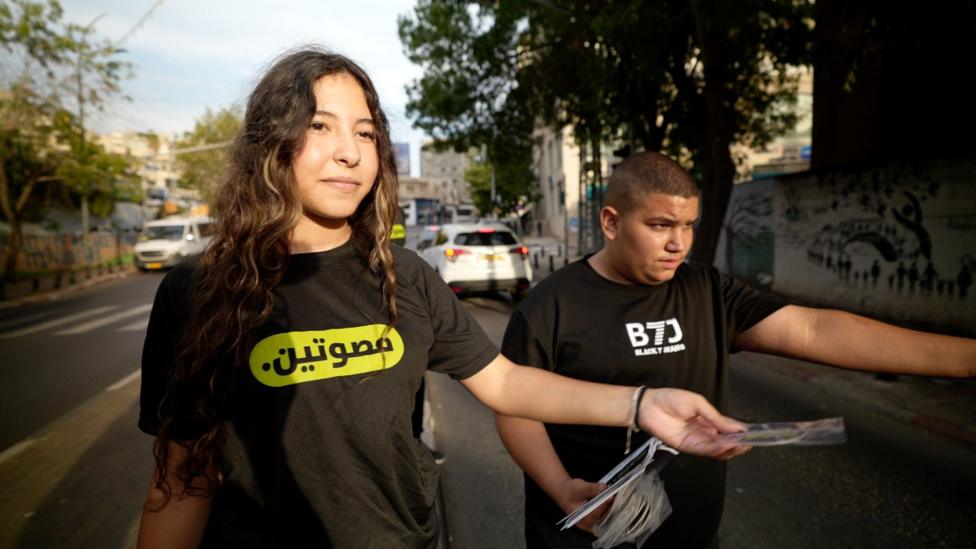
Students in Nazareth are handing out leaflets encouraging Arab Israelis to vote in next week's election
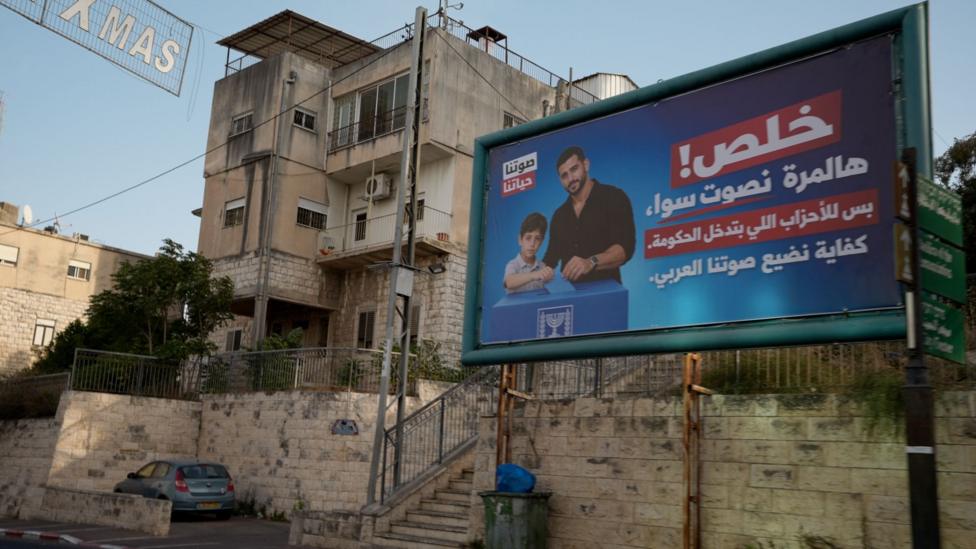
All but one of the leading Jewish parties have ruled out forming a coalition government with Arab parties
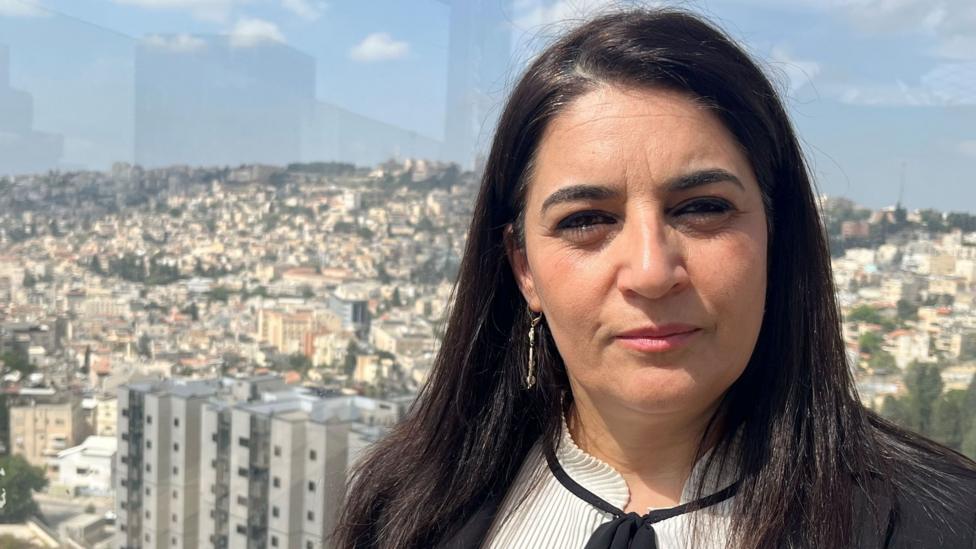
Salman Mousa accuses ministers of
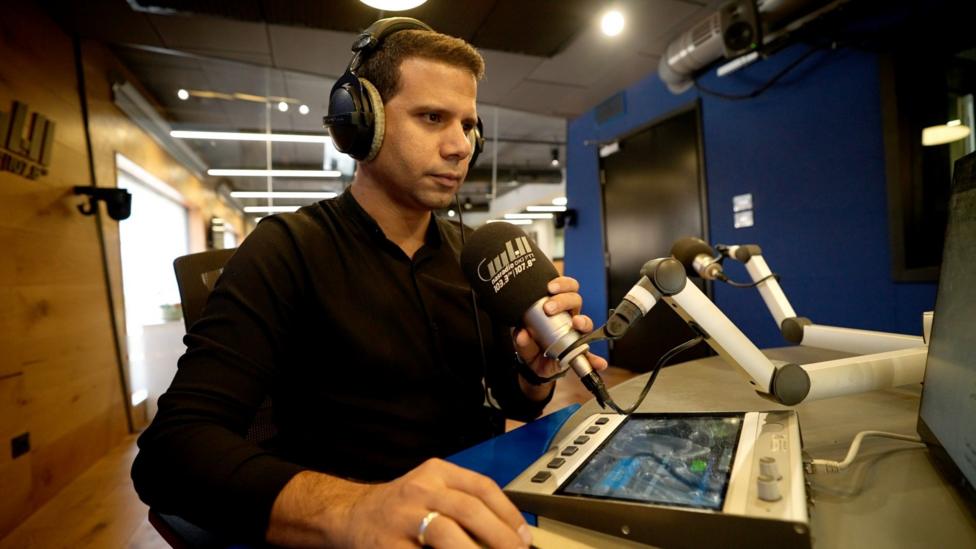
Radio Nas anchor Mohammed Magadli says Benjamin Netanyahu is trying to delegitimise Arab parties
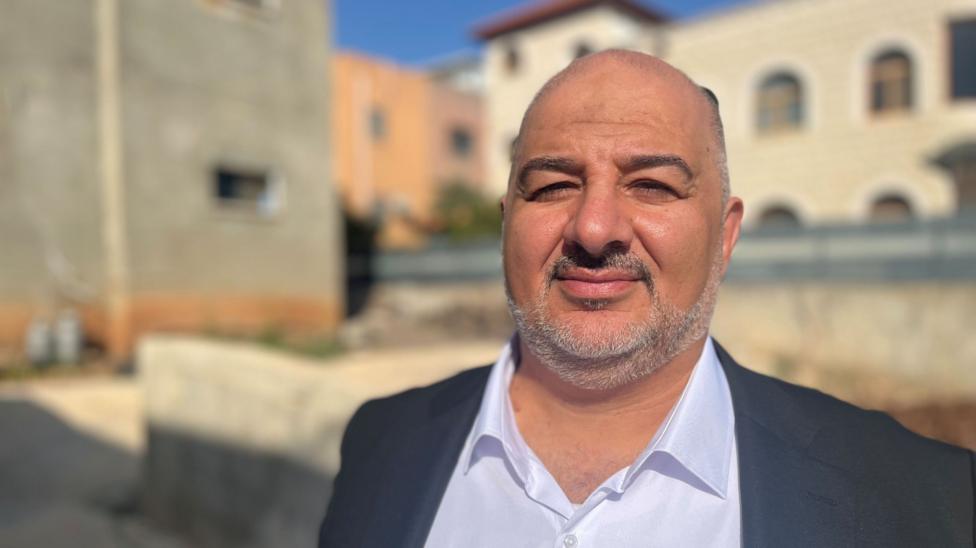
United Arab List leader Mansour Abbas wants Arab parties to reach a
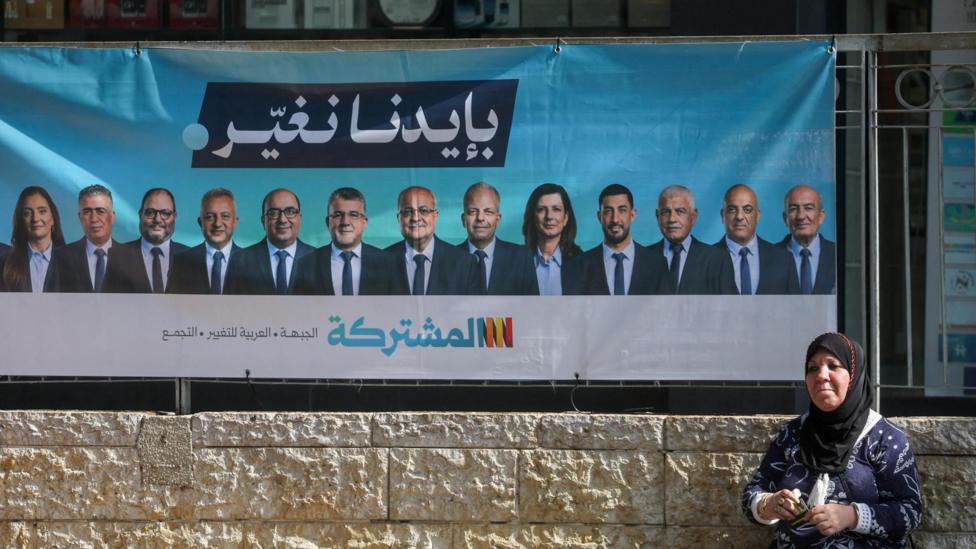 Image source, Reuters
The Joint List talks of providing an electoral
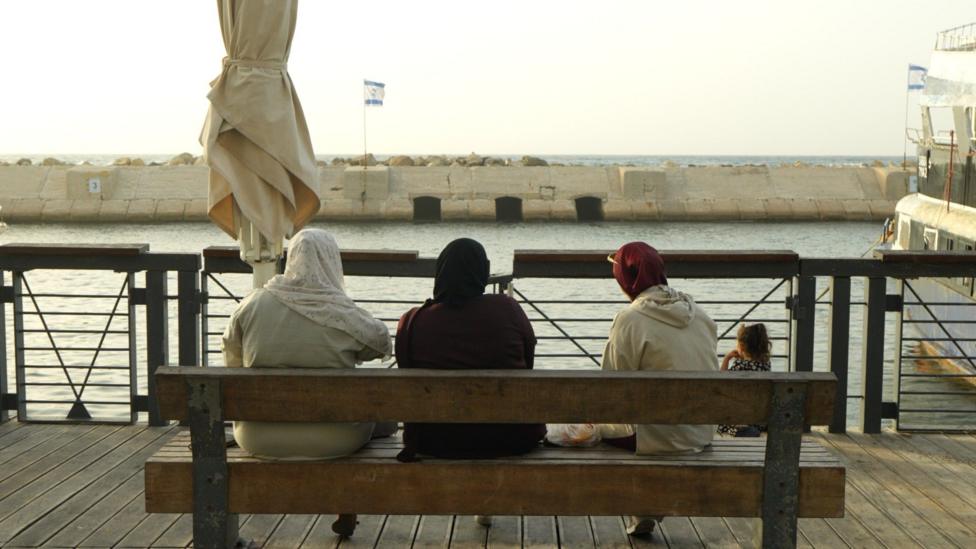
Arab Israelis accuse the government of inaction on the issue of gang crime
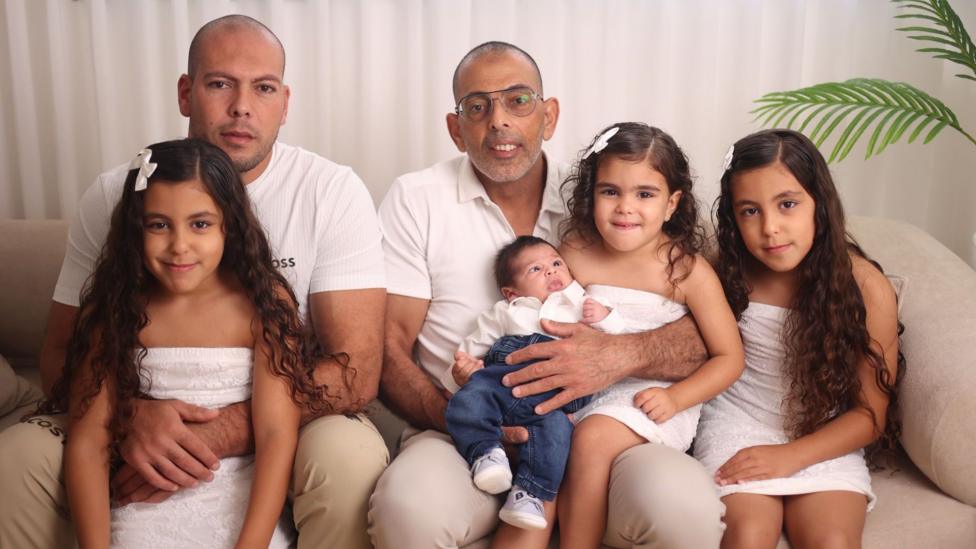 Image source, Ziad Samouni
Ziad Samouni's son Hussein (2nd L) was shot dead last November but no arrests have been made