The key facts
- The Trump administration eased restrictions on transactions involving Russian diesel fuel, delayed new sanctions against Moscow, and intensified criticism of Zelensky.
- A former intelligence officer: Trump is 'deep down convinced that Ukraine cannot win this war'.
- Daniel Fried links the president's behavior to the midterm elections and fuel prices; Andrew Weiss — to preparations for the December G20 summit in Miami.
A shift in the White House's course
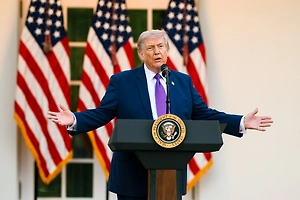
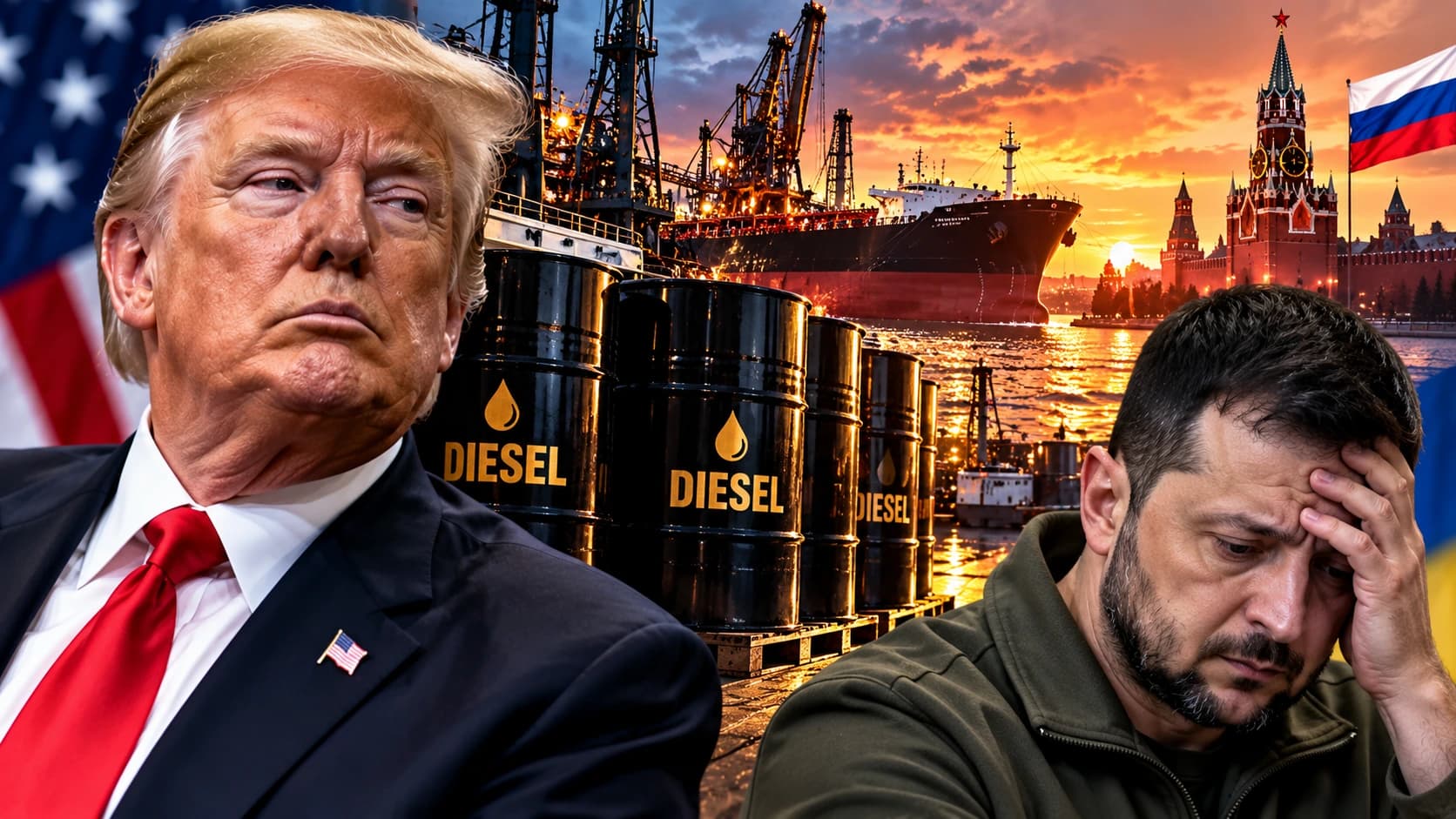
US President Donald Trump is increasingly making decisions that align with Russia's interests because he does not believe in Ukraine's ability to win, The Washington Post writes, analyzing changes in the White House's policy toward Moscow and Kyiv. The reason for such assessments was the administration's recent steps: easing restrictions on transactions involving Russian diesel fuel, delaying the introduction of new sanctions against Moscow, and intensifying public criticism of Zelensky. The newspaper also notes problems with transferring certain types of American military aid to Ukraine, including interceptor missiles and access to satellite systems.
'Russia is bigger, Russia is stronger'
A source for the publication, who wished to remain unnamed, believes the president's actions came as no surprise: his preferences have been evident for a long time and do not depend on periodic improvements in relations with Zelensky. 'If you look at the long-term trends, it becomes clear that he favors Putin over Zelensky, and this goes beyond any temporary easing of tensions in his relations with Zelensky,' said a former intelligence representative. In his view, Trump proceeds from Russia's significant superiority over Ukraine and considers Kyiv's further resistance futile: 'Deep down he is convinced that Ukraine cannot win this war, that Russia is bigger, Russia is stronger.'
An electoral explanation
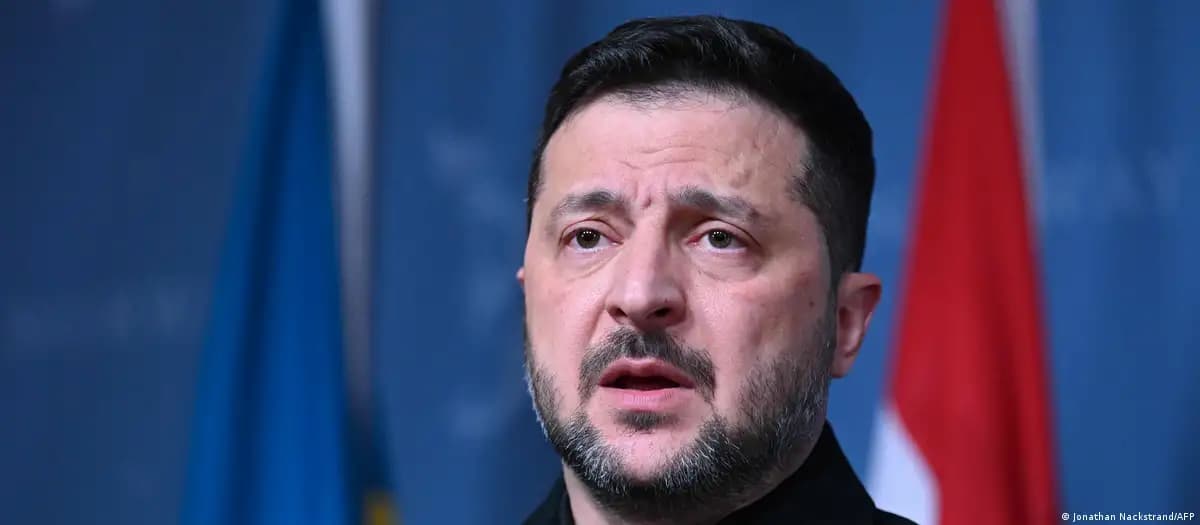
Former US Assistant Secretary of State for European Affairs Daniel Fried offered a different explanation: the approaching congressional midterm elections and Americans' dissatisfaction with high fuel prices play a significant role. In his assessment, the agreement on Russian diesel supplies was meant to serve as a political argument ahead of the vote, but Zelensky's criticism of the deal irritated the president. 'I think Trump is simply lashing out because he feels cornered and unhappy with the situation ahead of the midterm elections, and Zelensky got in his way,' Fried said. In his view, after the deterioration of relations with Kyiv, Trump decided to increase pressure on the Ukrainian leadership, hoping to achieve a peace agreement through direct arrangements with Russia.
A view on the G20 summit
Carnegie Foundation expert Andrew Weiss linked Washington's recent steps to preparations for the December G20 summit in Miami, to which the American president invited Vladimir Putin. The analyst suggests that Trump expects to achieve a political settlement of the Ukrainian conflict before that meeting.
Background of the dispute over diesel
Disagreements between Trump and Zelensky intensified over the Russian-American diesel fuel arrangements. According to Axios, which Life.ru cited, Washington asked Kyiv about six times to stop strikes on Russian oil refineries before concluding the deal with Moscow. After that, Zelensky admitted he felt betrayed and explained the high diesel prices by the blockade of the Strait of Hormuz, rejecting any connection between the fuel price increase and Ukrainian attacks. On October 19, Trump announced significant progress in peace talks and emphasized that he did not intend to push Russia out of the diplomatic process. The next day, according to The New York Times, the administration began intensifying pressure on Zelensky, seeking territorial concessions for the sake of a peace agreement. On October 20, Trump allowed for the possibility of concluding agreements without a personal meeting between Putin and Zelensky.