The key facts
- Burnham called the Palestine Action ban the result of a 'rigorous evidence-based process' approved by parliament, but declined further comment due to the court case.
- The group was banned in July 2025 under Keir Starmer's government after an action at RAF Brize Norton causing around £7 million in damage.
- Terrorism-related arrests rose from 234 to 3,867 over the year; 3,630 (about 94%) were linked to support for Palestine Action.
Defence of the ban and refusal to comment
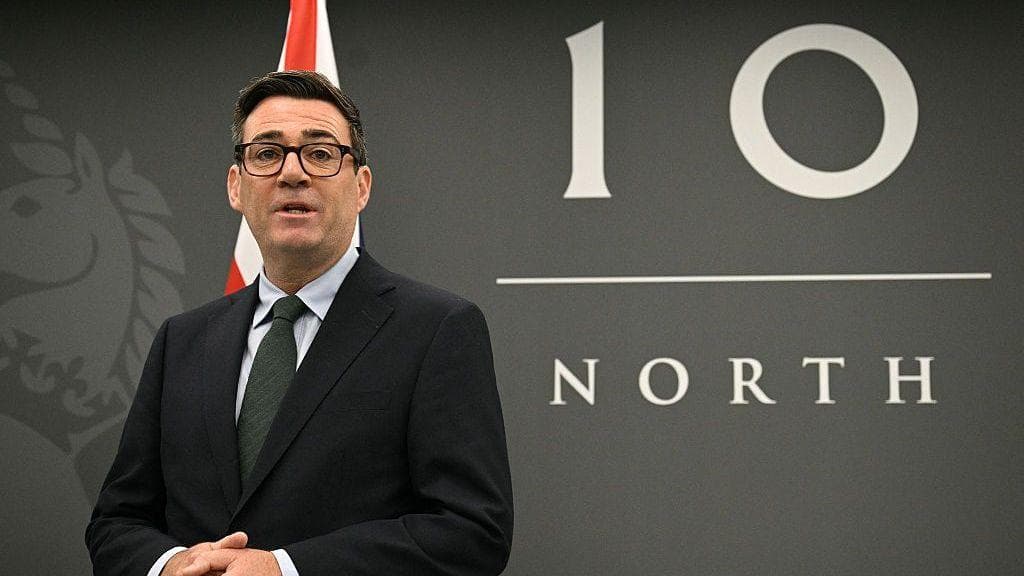
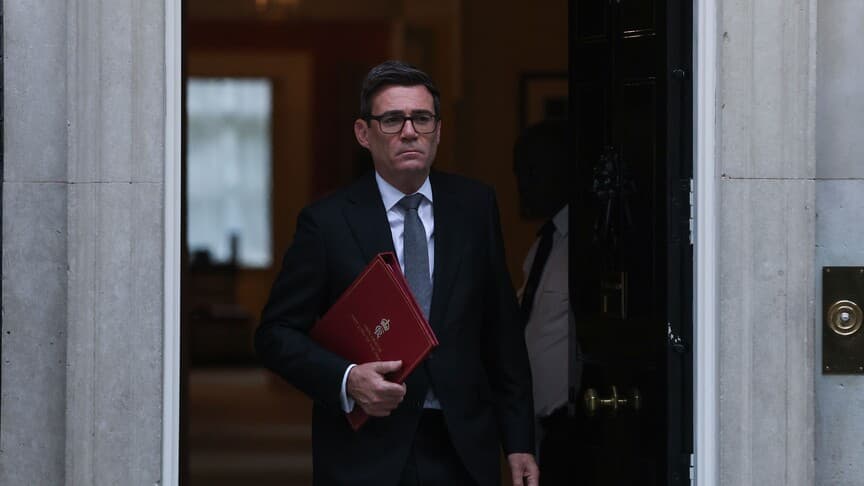
UK Prime Minister Andy Burnham on Wednesday defended the government's ban on Palestine Action, saying the decision was made after a 'rigorous evidence-based process' and received parliamentary approval. Responding to a question from Social Democratic and Labour Party (SDLP) MP Claire Hanna, who raised the issue of the availability of Sally Rooney's books in the UK and invited Burnham to reconsider the ban, he declined to comment further, citing the ongoing legal proceedings: 'This matter is before the courts, so I will not comment beyond that.'
The situation in Gaza and the foreign secretary's actions
'We agree that the scenes from Gaza and the West Bank are deeply distressing,' Burnham said, adding that Foreign Secretary Ed Miliband had taken action in response to events threatening the viability of the two-state solution. 'We will not stand aside while the viability of the two-state solution is under threat, and this week he made another statement on this matter,' the prime minister noted.
Context of the ban
The Labour government led by Keir Starmer banned Palestine Action under anti-terrorism legislation in July 2025, making it the first direct-action group banned under the Terrorism Act in British history. Palestine Action describes itself as a direct-action network targeting companies supplying products to the Israeli military. Activists broke into RAF Brize Norton airbase and sprayed paint on two military aircraft, painting them red; the damage is estimated at around £7 million ($9.3 million).
The Sally Rooney case
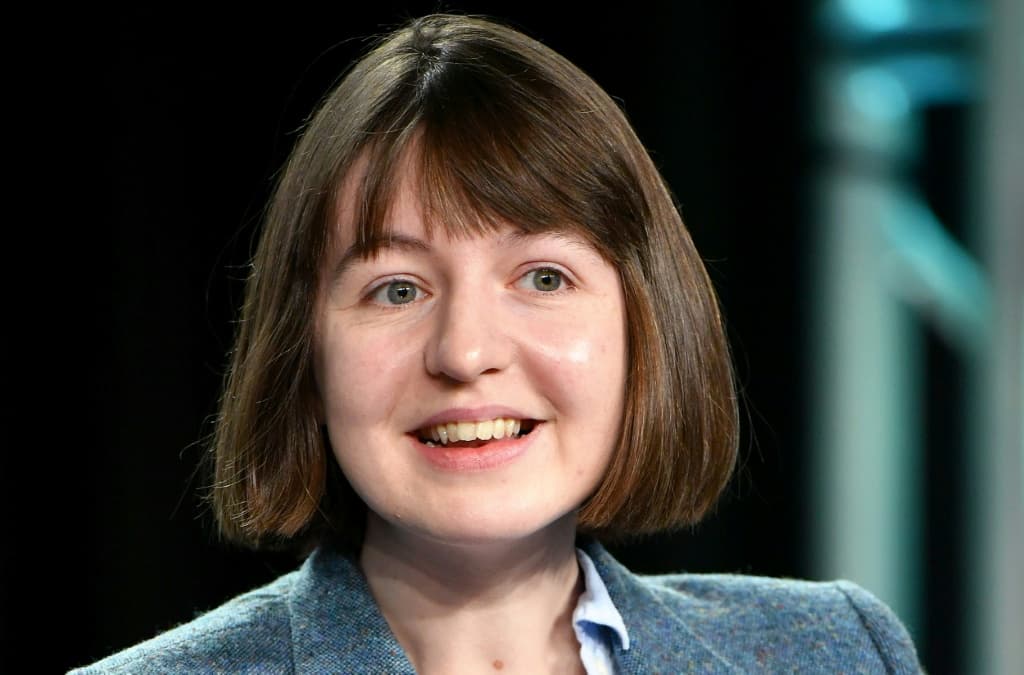
After the group was banned, Irish writer Sally Rooney announced plans to direct the proceeds from her works to Palestine Action. She recently agreed with her publisher to withdraw her books from sale in the UK, citing legal risks associated with her public support of the group.
Rise in arrests according to the Home Office
According to new UK Home Office data, arrests on terrorism charges rose by 1,553% to a record level, with the overwhelming majority linked to support for Palestine Action. Police made 3,867 arrests for terrorist activity in the year ending June 2026, compared with 234 in the previous 12 months. Of these, 3,630 arrests — about 94% — were linked to support for Palestine Action following the group's ban.
Debate and legal disputes
The prime minister's statements came amid ongoing debate about the UK's approach to pro-Palestinian activism and legal challenges to the ban on the direct-action group. Human rights advocates and civil liberties defenders are examining the ban, and court proceedings raise questions about the government's decision and its consequences for protest and free speech.