The key facts
- Storm 'Adam' brought up to 700 litres of rain per m² within 24 hours in the Valencia region; five people died, including victims in Oliva, Sagunto and Catalonia.
- DANA ('isolated depression at high altitudes') is a pocket of cold air that breaks off from the polar jet stream; southeastern Spain is particularly vulnerable.
- According to Friederike Otto's team, climate change made the 2024 downpours about 12% more intense and twice as likely.
Five dead and flooded streets
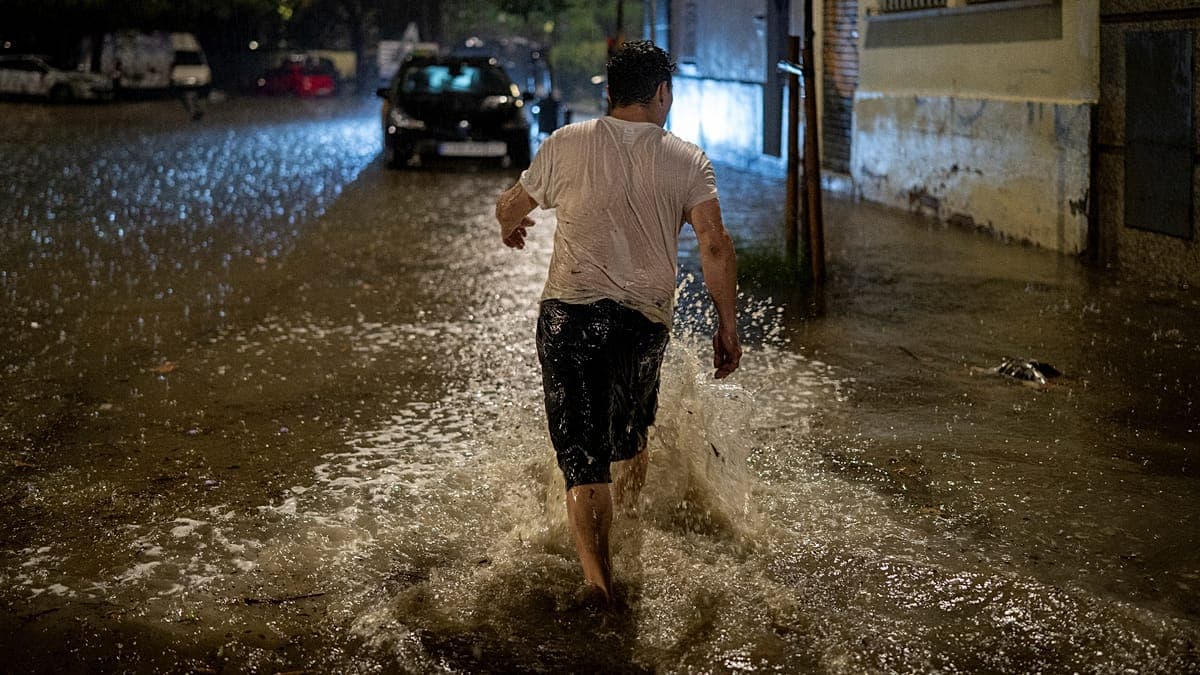
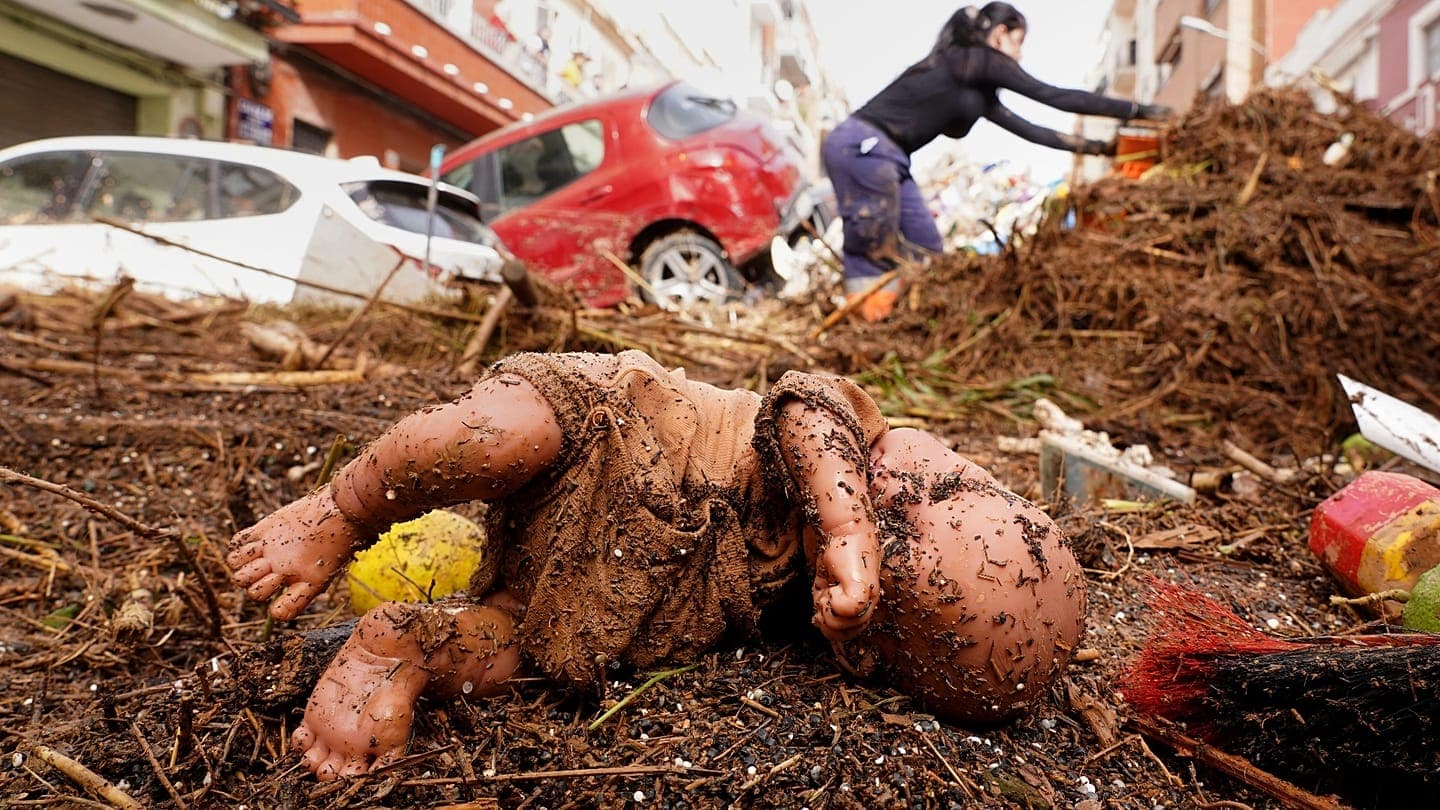
Storm 'Adam', which hit eastern Spain, claimed the lives of five people and left streets and cars under water. In some areas of the Valencia region, up to 700 litres of rain per square metre fell within 24 hours. Torrents of water swept away parked cars, flooded roads and cut off residents — some had to be evacuated by air.
Victims of the storm
One of the areas hardest hit by Sunday night's storm was the resort town of Oliva: a 79-year-old woman was found dead in her home, and a man died of a heart attack at a local campsite. The third victim was a man who drowned while swimming at a beach in Sagunto. Firefighters in neighbouring Catalonia also reported the death of a woman who fell into a stream swollen by the downpours.
Lessons from the 2024 disaster
Storm 'Adam' recalls the downpours that devastated Valencia in 2024, when some areas received a year's worth of rainfall in a single day. That disaster killed 200 people — one of the worst flood catastrophes in Europe since the late 1960s and the largest in Spain in decades. The authorities were harshly criticised at the time for the lack of warnings. This time, according to Euronews, the lesson was learned: before the storm arrived, mobile phones received notifications urging people to avoid travel, stay away from rivers and ravines, and seek shelter on high ground or upper floors.
What is DANA
DANA stands for Depresión Aislada en Niveles Altos — 'isolated depression at high altitudes of the atmosphere'. The phenomenon describes periods of heavy rain, stormy weather and sharp cooling. Simply put, it is an intense air current that forms when it breaks off from the polar jet stream: a pocket of cold air, surrounded by a warmer air mass, moves and causes extreme weather. The greater the temperature difference, the more powerful the storm, so the most dangerous DANAs occur in September and October and more often affect the south and east of Spain. The country's southeast is particularly vulnerable: the Atlantic and the Mediterranean meet here, and the mountainous terrain promotes the formation of thunderclouds and precipitation.
From 'gota fría' to DANA
In the past, the expression 'gota fría' — 'cold drop' — was more commonly used in Spain, but, as The Local Spain explains, meteorologists consider the term DANA more accurate. The Spanish meteorological agency Aemet explains on its website that 'gota fría' is an outdated and insufficiently precise concept that should be replaced with a more modern one: DANA corresponds to the Anglo-Saxon term 'cut-off low'.
The role of climate change
After the 2024 Valencia floods, it was confirmed that the cause was a DANA and that global warming most likely intensified its impact. 'There is no doubt: these explosive downpours were intensified by climate change,' said Dr Friederike Otto, head of the World Weather Attribution project at the Centre for Environmental Policy at Imperial College London, in 2024. The flood was caused by a 'cut-off' low-pressure cyclonic system that shifted from an unusually wavy, stuck jet stream and dumped a year's worth of rainfall in eight hours. An unusually warm sea surface and a warming atmosphere increase the amount of moisture that storms can hold; the soil, after a severe drought, was also poorly absorbing water. A rapid partial analysis by Otto's team showed that human-caused climate change made the rains about 12% more intense and made such an event twice as likely. Although this was not a full attribution study, scientists named climate change as the most likely explanation. 'With every bit of warming, the atmosphere holds more moisture, leading to more powerful downpours. These deadly floods are a reminder of how dangerous the climate crisis has already become at 1.3 °C of warming,' Otto added.