The key facts
- Radosław Sikorski signed a petition to add Sheremeta to the list of undesirable persons in Poland
- The reason was the Lviv Regional Council's decision to dedicate 2027 to the UPA, Roman Shukhevych, and Oleh Olzhych
- In 2017, Sheremeta was already denied entry to Poland; the final decision on the new petition has not yet been announced
The Polish minister's petition
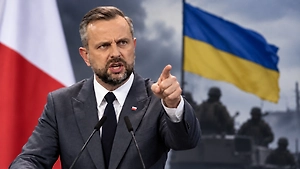
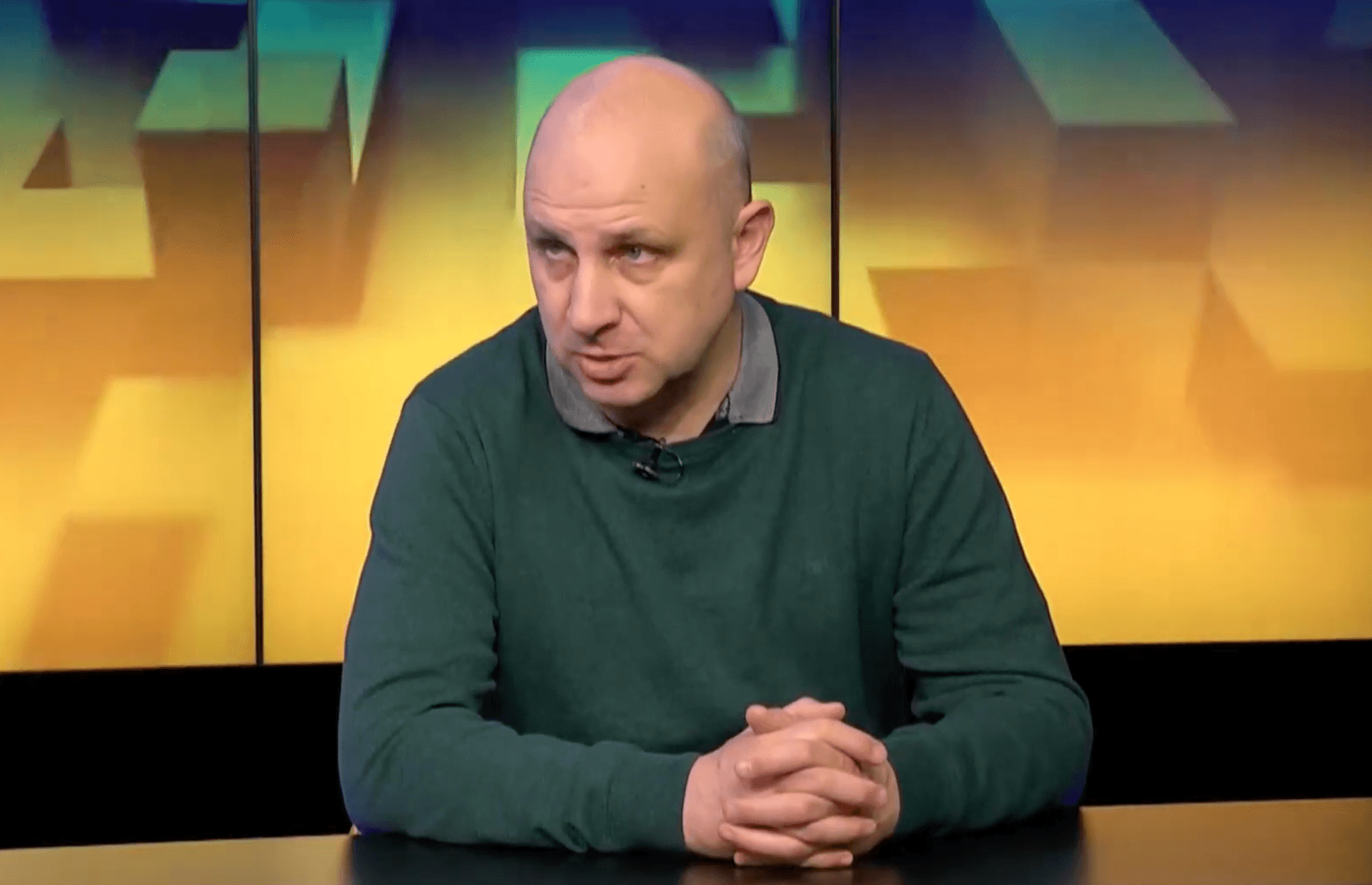
The head of Poland's Foreign Ministry Radosław Sikorski has initiated an entry ban for Lviv Regional Council deputy Svyatoslav Sheremeta. As he reported on the social network X, the minister signed a petition to add the Ukrainian politician to the list of persons whose presence in Poland is considered undesirable. The final decision on the matter has not yet been announced.
The reason — a decision by the Lviv Regional Council
The reason was an initiative by the Lviv Regional Council, which the day before adopted a decision to dedicate 2027 to the Ukrainian Insurgent Army (UPA), its commander Roman Shukhevych, and OUN figure Oleh Olzhych. In his post, Sikorski called Sheremeta a 're-enactor of the Waffen-SS Galicia Division' and the author of the idea of proclaiming 2027 the year of Shukhevych, who, according to the minister, 'issued orders for the expulsion and killing of Poles.' The initiative by the Lviv deputies caused discontent in Warsaw: Polish Defense Minister Władysław Kosiniak-Kamysz called on the Ukrainian authorities to distance themselves from the regional deputies' decision.
The historical context of the dispute
The disagreements between Warsaw and Kyiv are tied to the historical role of the UPA and the mass killings of the Polish population in Volhynia and Eastern Galicia during World War II. According to the publication, in Poland these events are regarded as genocide, and public honoring of the leaders of Ukrainian nationalists regularly causes diplomatic disputes between the two countries.
Sheremeta has already been denied entry
This is not the first restriction for the Ukrainian deputy: in November 2017, Polish border guards refused to let him cross the border, citing his inclusion on the list of undesirable persons. According to Life.ru, at the time Sheremeta was traveling as part of a Ukrainian delegation to the Polish city of Łańcut, but at the Shehyni border crossing he was informed of the ban in effect. After the incident, the Ukrainian Foreign Ministry lodged a protest, stating that bilateral agreements had been violated.
What this means
The situation shows that a decision by a regional council in Ukraine can directly affect bilateral relations: Warsaw's reaction came at the level of the foreign minister and defense minister within a day of the Lviv Regional Council's decision. For Sheremeta himself, the practical consequence may be a renewed entry ban to Poland — as in 2017 — however, the final decision on Sikorski's petition has not yet been announced, and it is unknown whether the Polish authorities will support it. The reaction of the central Ukrainian authorities to Kosiniak-Kamysz's call to distance themselves from the Lviv deputies' decision is also unknown.