The key facts
- 23 incidents within 12 hours across seven governorates: 10 in Nablus, 6 in Ramallah and al-Bireh, 2 each in Salfit and Hebron, 1 each in Qalqilya, Jenin and Bethlehem
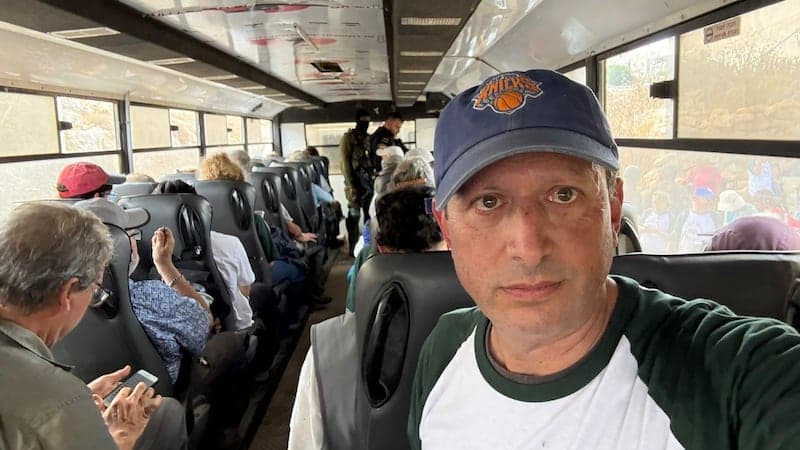
- A farmer was wounded by gunfire in Osarin; an elderly woman, activists and US congressional candidate Brad Lander were detained in Nahhalin
- The commission demands ensuring farmers' safe access to their lands and holding perpetrators accountable
Scale of the incidents
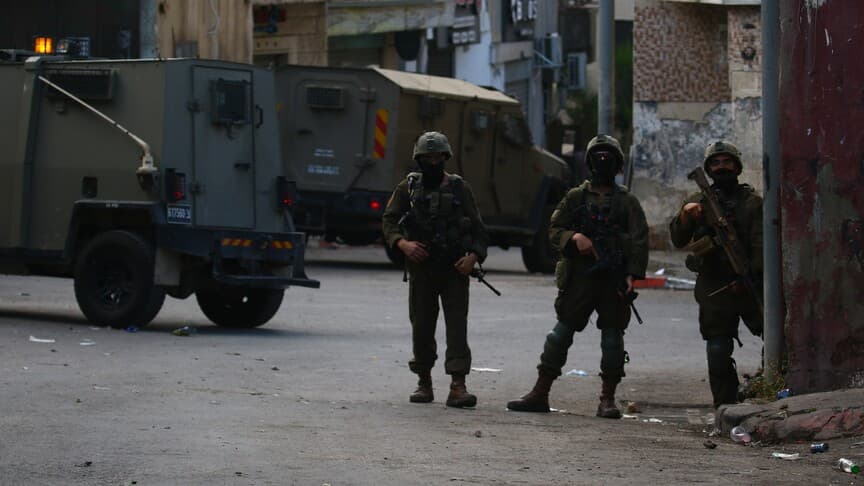
The Wall and Settlement Resistance Commission stated that on Wednesday, October 21, from 6:00 to 18:00 local time, Israeli soldiers and settlers carried out 23 attacks and violations against Palestinian farmers, their lands, crops and solidarity activists across seven West Bank governorates. The incidents coincided with the ongoing olive harvest season. According to the commission, 10 cases were recorded in Nablus, six in Ramallah and al-Bireh, two each in Salfit and Hebron, and one each in Qalqilya, Jenin and Bethlehem.
Casualties and detentions
According to the commission, a farmer was wounded in the hand by live fire while harvesting olives in the village of Osarin in the Nablus governorate. In the Wadi Abbas area of the village of Kafr Thulth in Salfit, another farmer suffered severe breathing difficulty after pepper spray was sprayed. In the town of Nahhalin southwest of Bethlehem, Israeli soldiers attacked farmers and activists in the al-Habla area, detaining an elderly woman and several activists, including Brad Lander, a US congressional candidate from the Democratic Party. Also, according to the commission, harvested olives were confiscated. The commission reported the detention of a Russian solidarity activist during the harvest in the Christian town of Tayibe in the central West Bank, as well as a Palestinian young man in Kafr ad-Dik in the north.
Attacks in Nablus and Ramallah
In the Nablus governorate, according to the commission, settlers set fire to agricultural land in Burqa, and Israeli bulldozers leveled olive land in the Rajmanat area of Madama. Near the Jalud school, settlers attacked olive pickers and opened fire on them, after which arriving soldiers, it is claimed, physically assaulted the farmers. In Beit Furik, settlers threw harvested olives onto the ground and seized the crop at gunpoint, forcing families to leave the fields. Similar cases of olive and equipment theft were recorded in Qaryut, Awarta and Tell; farmers were expelled from the Wadi Abuayn area in al-Lubban ash-Sharqiya. In Beita, soldiers chased farmers in the al-Jiza area, preventing them from harvesting and opening fire. In the Ramallah and al-Bireh governorate, farmers were denied access to land in the al-Khayrik area of Deir Jarir; in Turmus Ayya, farmers, journalists and commission staff were expelled after the area was declared a closed military zone. In al-Mughayyir, owners were barred from harvesting olives, and in Burqa and Kafr Malik, settlers drove livestock onto olive land.
South and center of the West Bank
In the southern part of the Hebron governorate, armed settlers opened fire on olive pickers in the Bireen area, while in Idna, farmers and activists were barred from harvesting. In the Qalqilya governorate, settlers cut down olive trees in the town of Far'ata east of the city. In Deir Abu Da'if east of Jenin, farmers were forced to leave their land despite prior coordination and an access permit.
Commission's response and context
The commission stated that the incidents reflect a combination of direct assaults, military closures, detentions and crop confiscations that have turned access to agricultural land into a daily struggle for Palestinian farmers. It warned that the expulsion of landowners and actions against activists and journalists undermine efforts to protect the olive harvest and document violations, and called for effective measures to ensure farmers' safe access to their lands and to hold perpetrators accountable. According to the commission, settler attacks have intensified since the start of the olive harvest season in early October, which is an important source of income for thousands of Palestinian families. According to Palestinian figures, about 750,000 settlers live in the West Bank, including East Jerusalem, in 194 settlements and approximately 400 outposts. Israeli settlements in the occupied Palestinian territories are illegal under international law. Palestinian, Israeli and international human rights organizations have repeatedly accused Israeli authorities of failing to prevent settler attacks and to hold perpetrators accountable.