The key facts
- First Ebola case in Nigeria: a woman who arrived on a flight from Uganda fell ill on October 7 and was hospitalized in Abuja on October 11
- Contact tracing is underway for 44 contacts
- The current outbreak (Bundibugyo strain) — more than 9,000 cases and over 4,300 deaths, fatality rate nearly 50%
First case in Nigeria
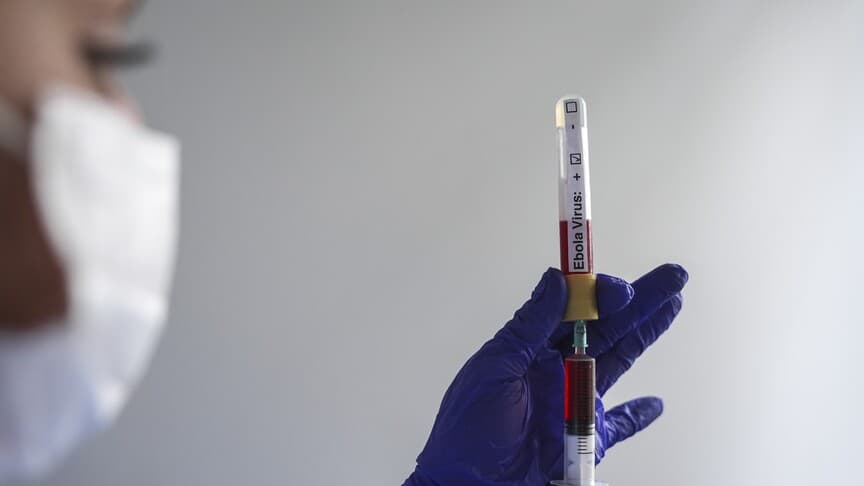
Nigeria's Ministry of Health on Tuesday confirmed the country's first known case of Ebola as part of the current outbreak. According to Health Minister Muhammad Ali Pate, the patient is a woman who recently arrived on an international flight from Uganda. Her symptoms appeared on October 7, and on October 11 she was hospitalized in a private hospital in Abuja, where Ebola was diagnosed after examination. According to the minister, authorities have already begun tracking 44 people identified as contacts. 'We are doing everything possible to contain this case by tracing all the contacts this person may have had,' he said.
Nigeria's preparedness and the situation in Kenya
The Nigeria Centre for Disease Control had announced, two weeks earlier, stepped-up surveillance following the first cases in Kenya, noting that the measures are aimed at early detection, isolation and referral of patients, laboratory diagnostics, infection prevention, contact tracing, risk communication and protection of health workers. In Kenya, a cluster of nine cases was identified this month; the first patient died, and, in the authorities' view, the remaining eight cases are linked to him, with no signs of spread beyond his contacts.
Scale of the outbreak
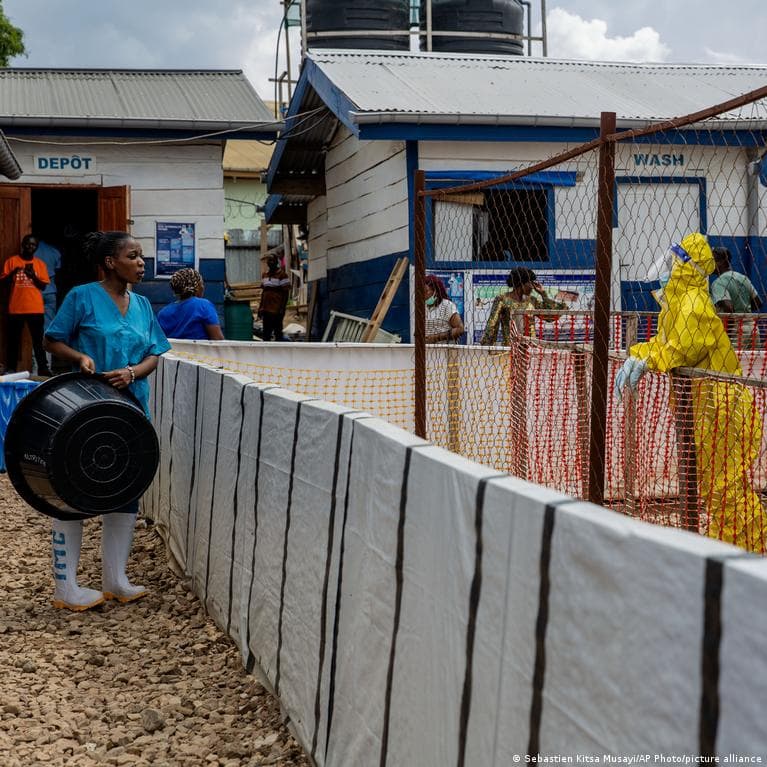
The current outbreak is caused by the less-studied Bundibugyo Ebolavirus strain and has led to more than 9,000 confirmed cases and more than 4,300 deaths — a fatality rate of nearly 50%. Almost all cases and deaths are in DR Congo, especially its eastern provinces. The outbreak is believed to have begun in eastern DR Congo near the border with Uganda; Uganda became the second affected country, reporting 20 cases and two deaths earlier this year, and was declared Ebola-free by the WHO at the end of August after 42 days without confirmed cases. The case in Nigeria may call that status into question, given the reports of the patient's travel.
Comparison with past epidemics
This year's outbreak, first declared in May (researchers believe it likely began with a small number of cases several months earlier), is already the second largest in history and the fastest-spreading — although improved testing and diagnostics may have partially contributed to the higher figures. For comparison: the 2014–2016 West African Ebola epidemic led to about 11,300 deaths out of roughly 28,500 cases, but stretched over about 30 months.