The key facts
- Pavel Pozhigaylo (Public Chamber of the Russian Federation) proposed earlier retirement for grandparents in order to help young families.
- He supported the idea of giving elderly relatives access to schoolchildren's electronic gradebooks with parental consent.
- The Ministry of Education intends to take the gradebook access proposal into account when planning the development of the service for 2027.
Initiative on early retirement for the older generation
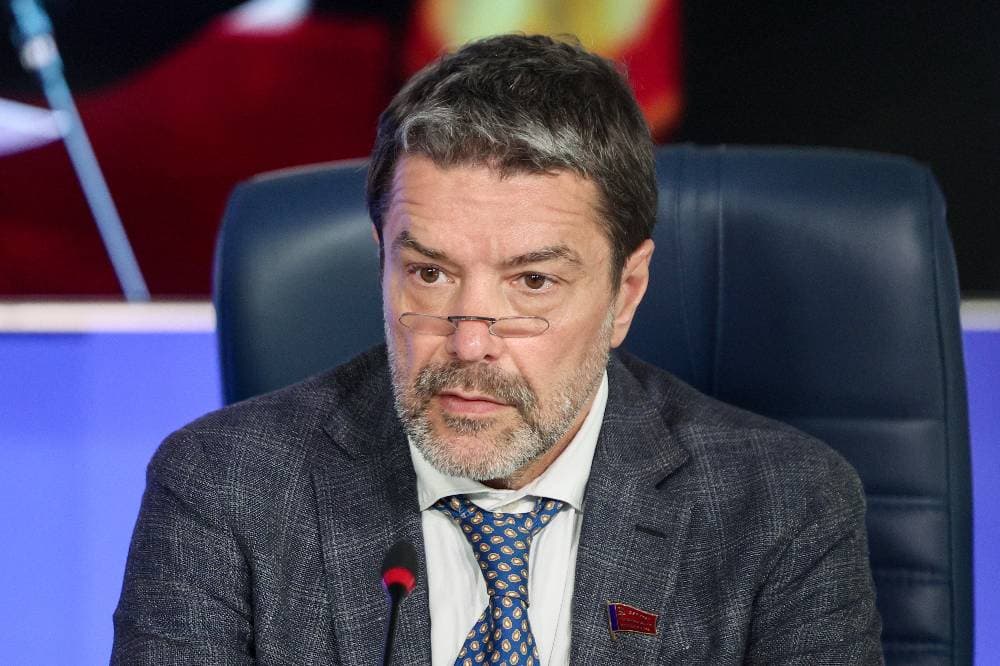
Pavel Pozhigaylo, deputy chairman of the Public Chamber of the Russian Federation commission on demography, family protection, children and traditional family values, in a conversation with NSN proposed allowing grandparents to retire earlier so that they could devote more time to raising their grandchildren and help young families. In his opinion, it is more advantageous for the state to create conditions under which the older generation helps with children while their parents continue working. “I would propose earlier retirement in order to free young families from childcare burdens through this,” Pozhigaylo explained. He considers such support especially relevant for families where adults, due to being busy, do not have time to deal with children's school matters.
Access to electronic gradebooks and school workload
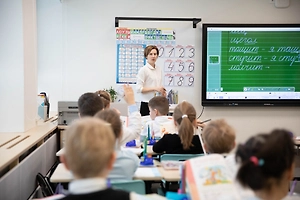
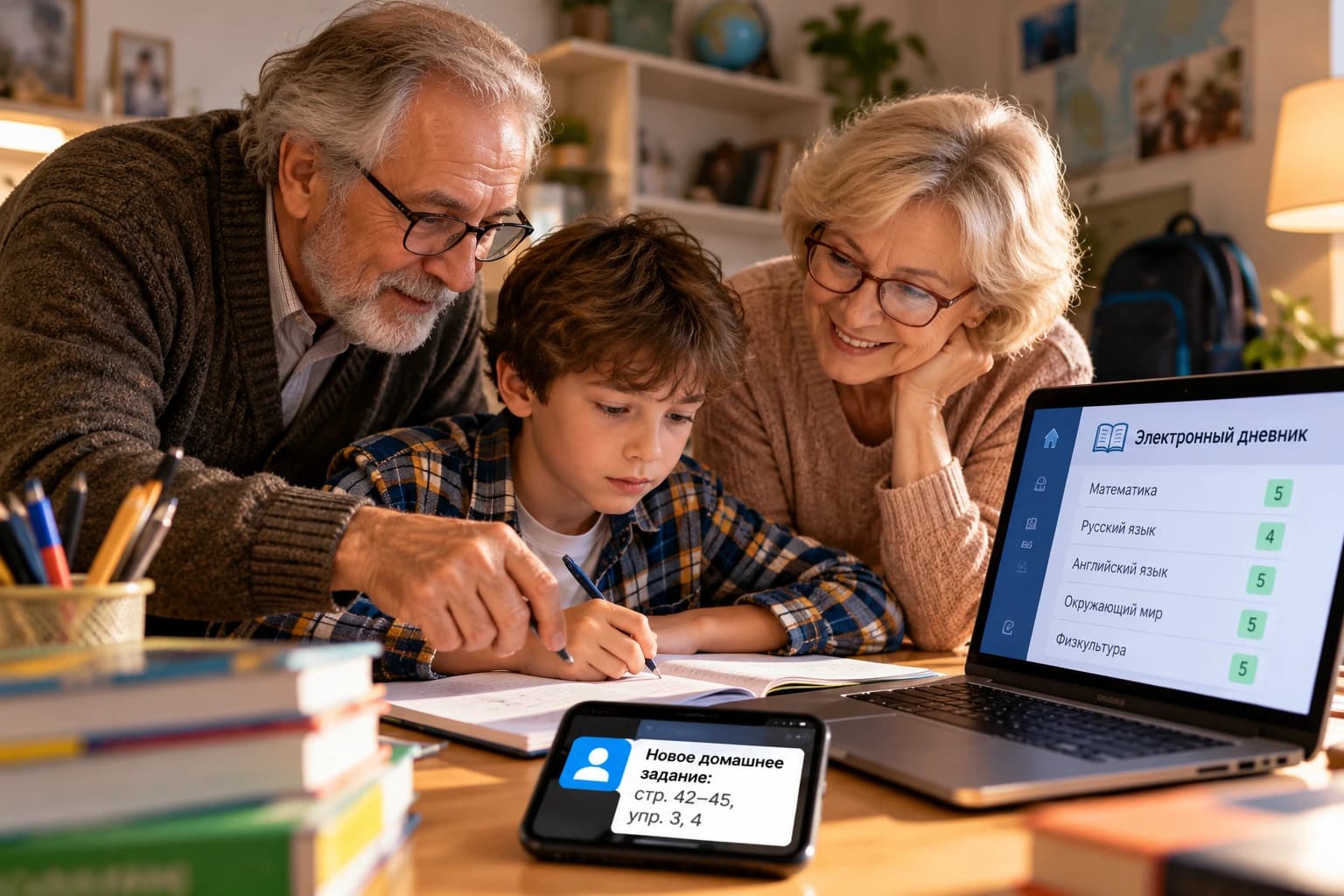
Pozhigaylo also supported the idea of giving grandparents access to schoolchildren's electronic gradebooks. He noted that elderly relatives often pick children up from classes, help with homework and attend parent-teacher meetings, but cannot always independently keep track of grades and homework. In addition, the public figure drew attention to the high academic workload: after classes, schoolchildren spend a lot of time on homework, and parents often cannot help because of work. The involvement of older relatives, in his opinion, would make the family's everyday life easier.
Caveats and the Ministry of Education's response
Pozhigaylo emphasized that grandparents' capabilities depend on age: if at 50 a person can still actively participate in their grandchildren's school life, then after 70 the situation is sometimes different. Therefore, when developing such measures, he believes, it is necessary to take families' real circumstances into account. The discussion was prompted by the Ministry of Education's support for the initiative to open access to grandchildren's electronic gradebooks with parental consent: the ministry intends to take the corresponding proposal into account when planning the development of the educational service for 2027.